ProjectFusion #2
The Failure
Our previous prototype had too many issues.
After releasing the demo, we realized the game was too complicated for players to understand. The rules were overwhelming, and the core mechanic was buried under layers of complexity. While the concept had potential, it became clear that turning the idea into a polished product would be an enormous challenge. The project’s scope was too ambitious, and it was likely that even more unforeseen problems would arise in the future.
After extensive discussions, we made the difficult decision to rework the game from the ground up.
The Rework
The most critical issue to address was how to highlight the core mechanic: artifact fusion.
In the initial version of Project Fusion, we used a turn-based combat system. However, the abundance of rules diluted the importance of artifact fusion, making it difficult for players to focus on what was meant to be the heart of the game. For the rework, we sought a genre that would better emphasize this mechanic.
We found the perfect fit: the auto-battler genre.
This genre allows players to concentrate on fusing artifacts and discovering the best combinations. The combat, meanwhile, unfolds automatically, reducing the cognitive load and letting the fusion mechanic take center stage.
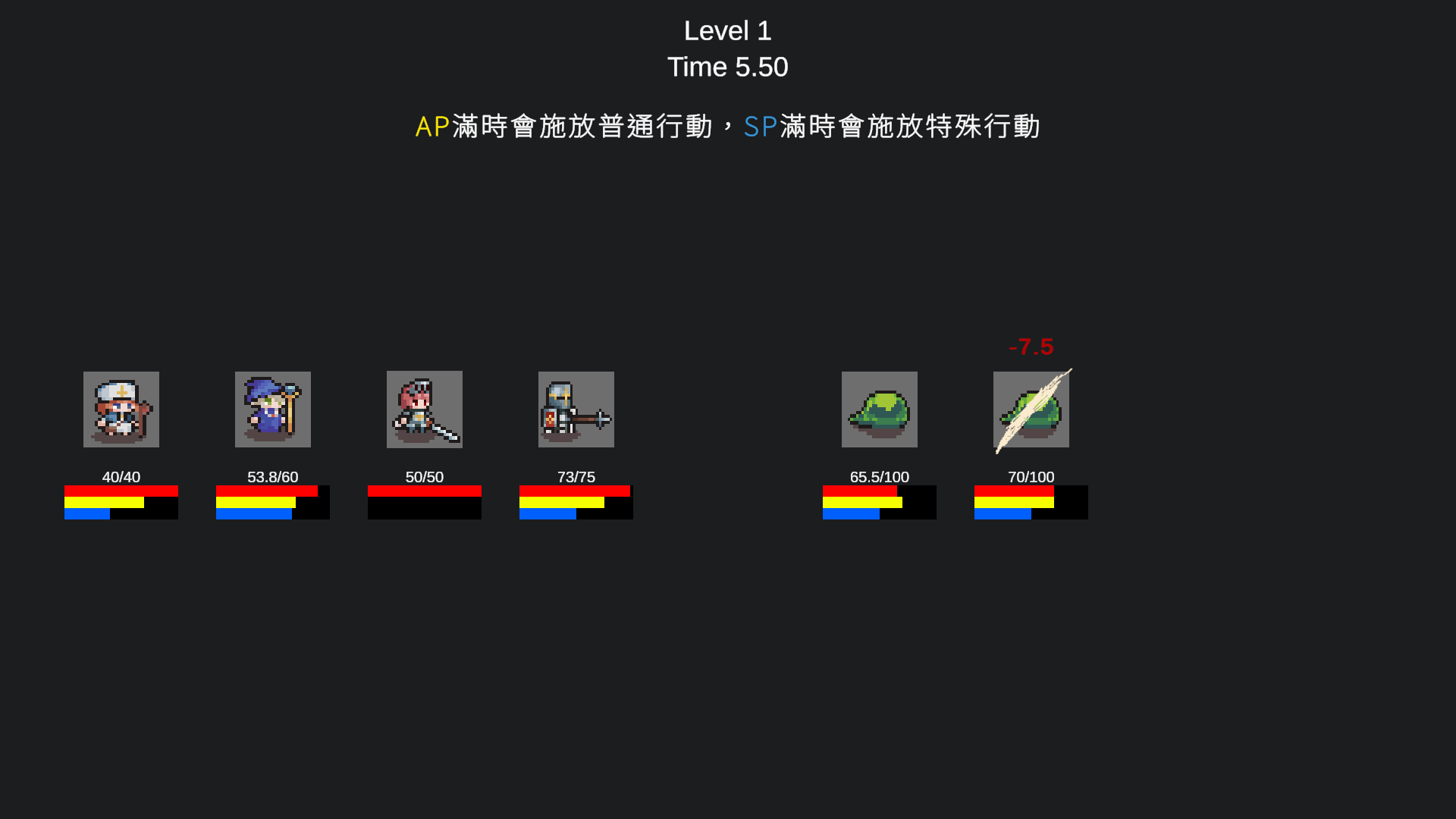
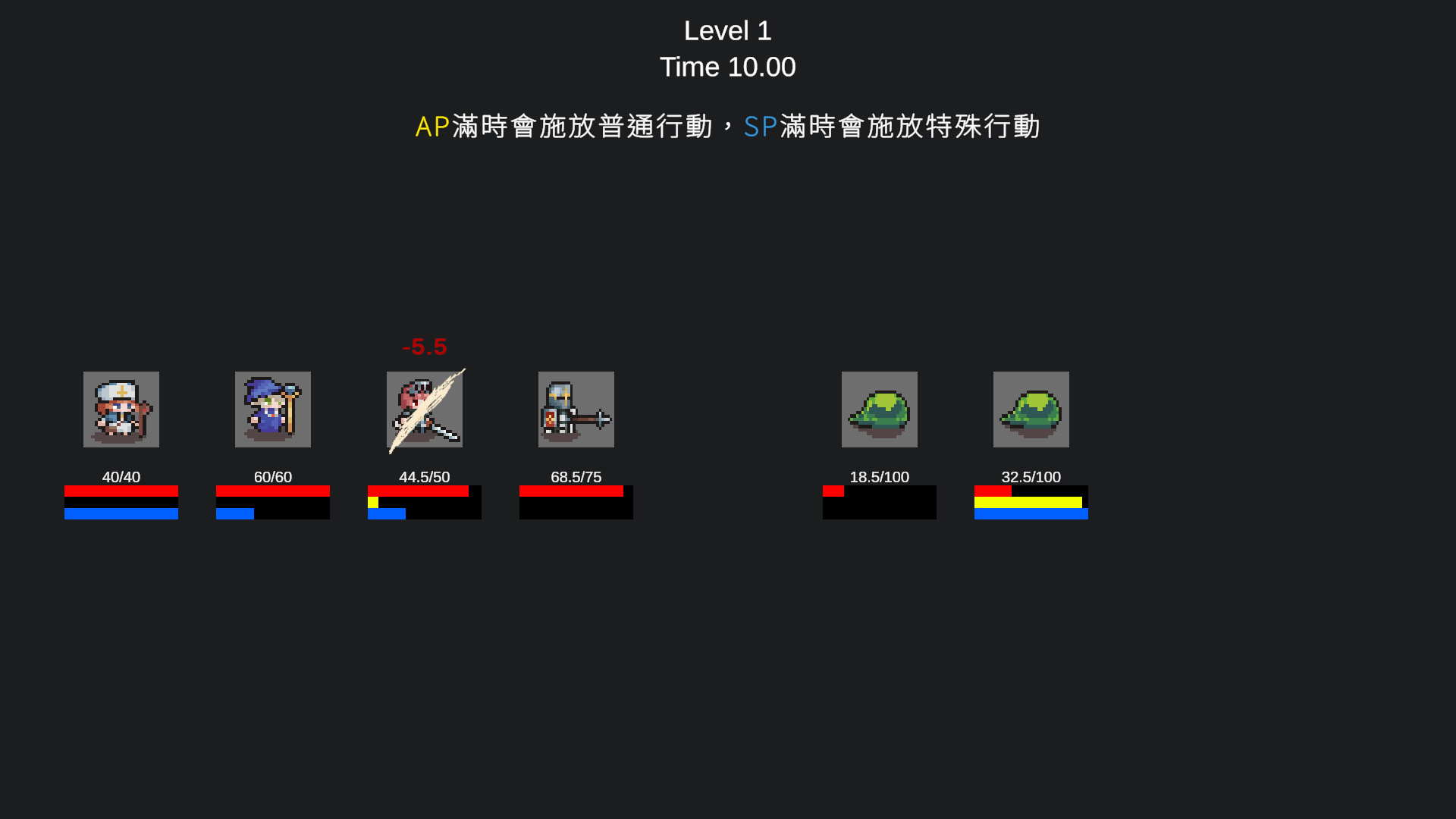
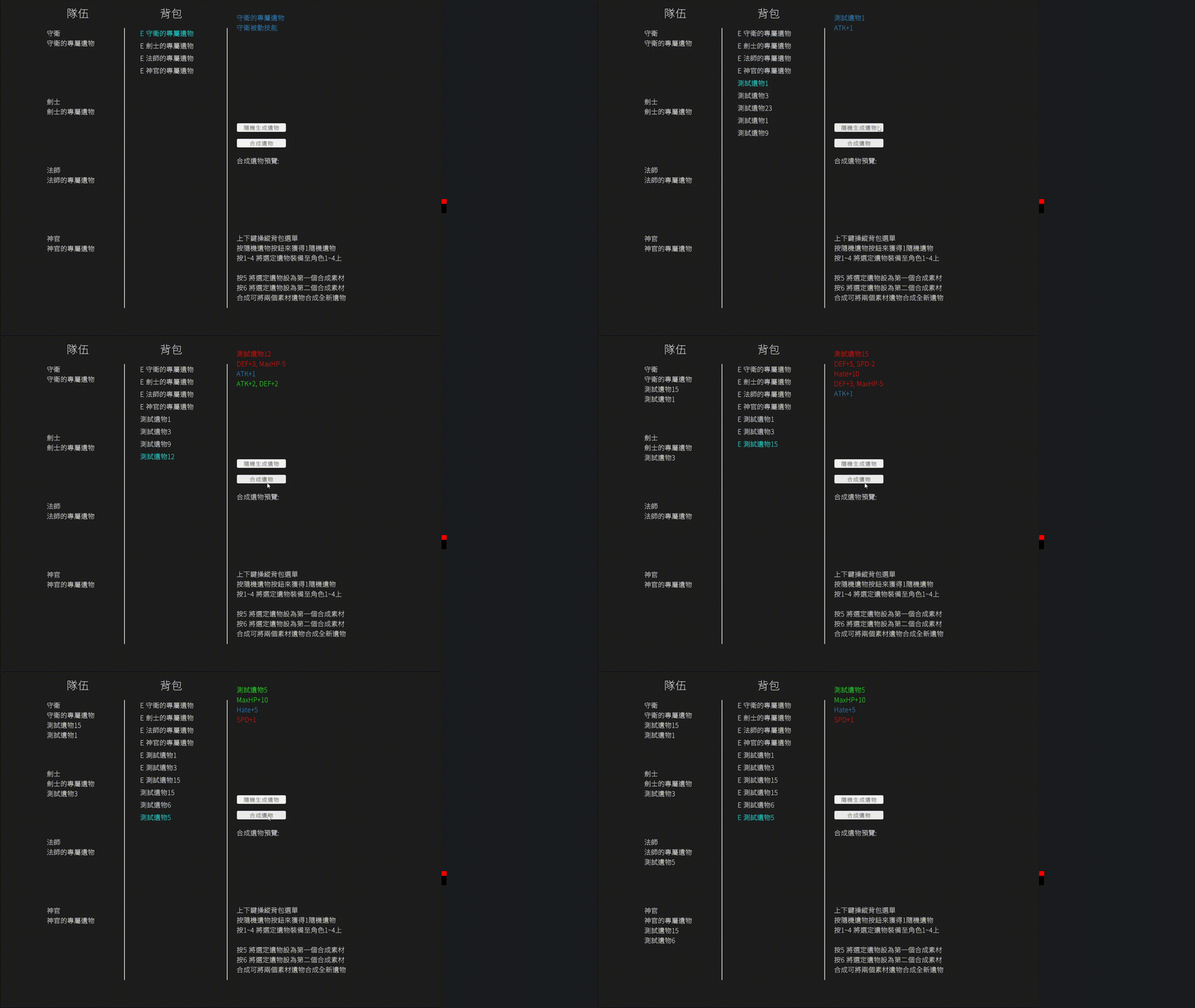
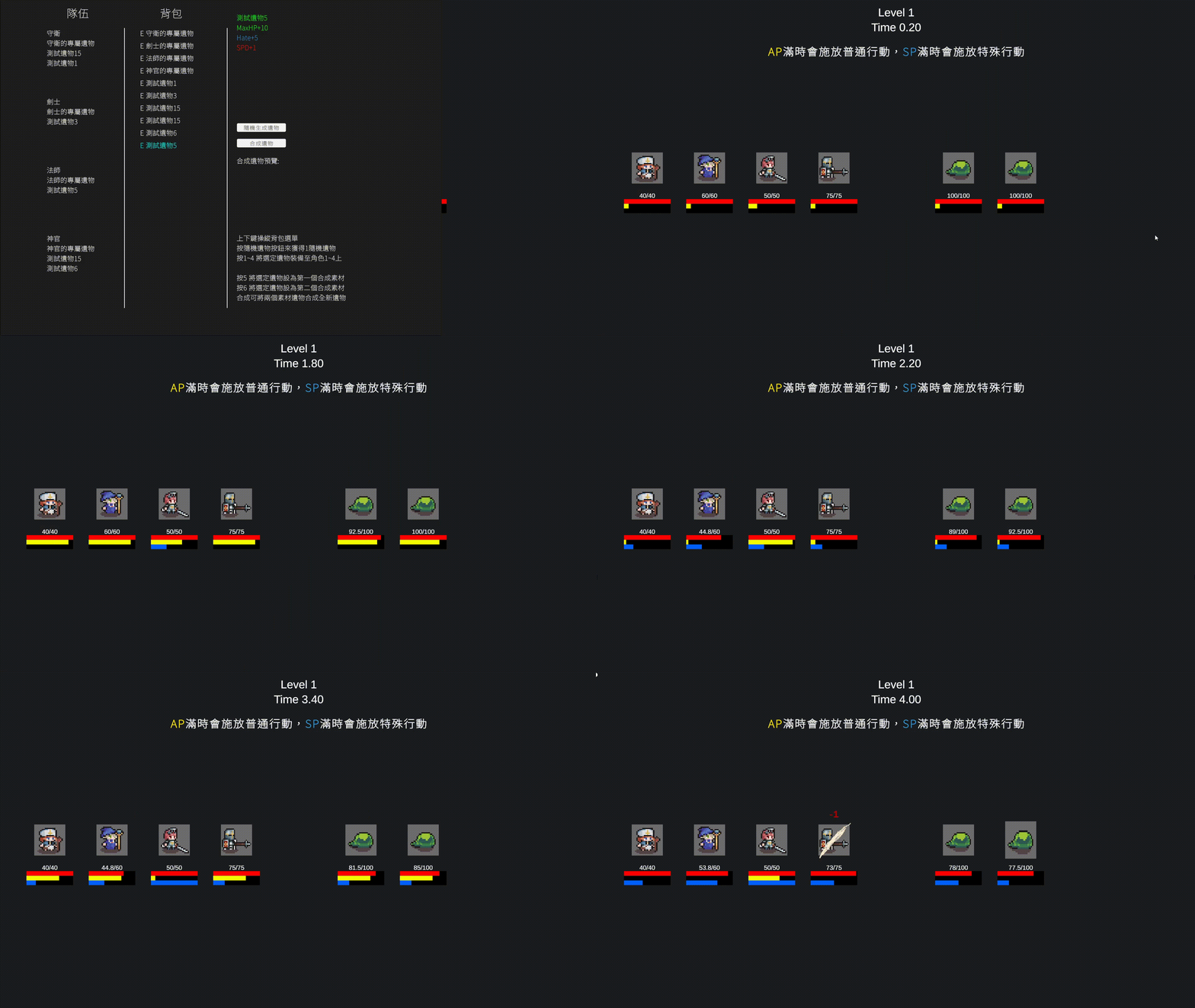
The result of this rework is what we now call Project Fusion 2.0. Changing to the auto-battler format made the game significantly more intuitive, allowing players to grasp the core mechanic with ease.
Gameplay Ability System
Despite the improvements, we anticipate that future changes will be inevitable. To prepare for this, we implemented a version of Unreal Engine’s Gameplay Ability System (GAS) in Unity.
In the first version of the game, we constantly worried that our combat system wasn’t flexible enough to accommodate future updates. With the rework, we prioritized creating a more dynamic code structure. This way, if we need to make significant changes again, we won’t have to overhaul the entire system.
GAS, a framework from Unreal Engine, uses attributes, tags, effects, and abilities to build a flexible system capable of handling any combat rules. Although switching to Unreal Engine would have been more straightforward, we chose to replicate GAS within Unity to suit our project’s needs.
The gameplay you see now is powered by this custom-built system we made.
The Break Off
While the rework has shown that we are on the right track, we still have a difficult announcement to make:
Project Fusion will be postponed indefinitely.
The primary reason is that our team members have less and less time to dedicate to indie game development. Burnout on the current project has also taken a toll on our enthusiasm and capacity to continue at our previous pace.
However, IntoxiCAT Studio remains, and we are already planning a new, smaller-scale project. The setbacks we experienced with Project Fusion have taught us valuable lessons about scoping and sustainable development.
Someday, we hope to return to Project Fusion and complete it, as it remains a game we deeply care about and aspire to bring to life. Until then, we look forward to embarking on new adventures.
Comments