Building Virtual World
Here I Come, Pittsburgh
In March 2025, I received the offer letter from CMU ETC, which is considered one of the best game development–related graduate programs. At that time, I also had another job offer from Rayark, which is a game company I have wanted to get into since high school. After long consideration, I decided to fly to the US for the first time in my life, starting my journey in Pittsburgh.
I just wanted to meet more people and make connections. These are things I had little access to during my undergraduate years, and I am really excited to see what will happen.
About Building Virtual World (And My Goal)
Building Virtual World is CMU ETC’s signature course, where faculty randomly group us, assign us themes, and let us make something within one to two weeks. When they were introducing the rules, they mentioned that your game would have a chance to get into the Festival and be showcased to the public. They also mentioned that last year there was one student who got all four rounds of games into the Festival, which is really rare.
At that time, I was thinking: is it possible for me to achieve this as well?
I knew it would be extremely hard work for me, but sadly, I am just such a competitive person.
FOLDward (Round 1)
During round 1, I was finding my place in how I should work with others.
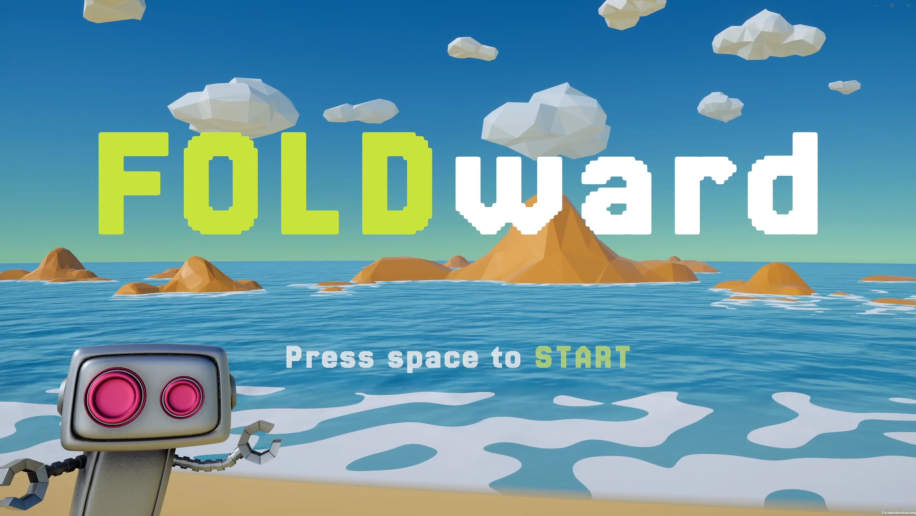
At first, our design was to create a PVP game where you have to make paper planes to fight each other. At that time, I was too rushed and too ambitious, but the gameplay turned out to be unclear and unfun. I realized I was too dominant, which was not good for the team, so I started to shut my mouth and let others speak more.
We decided to change the entire direction, making a cooperative game instead. It was a really hard challenge for me, but I prototyped the new structure, and the playtest turned out to be really good.
In the end, we made a really polished game, and I am really satisfied with our work.
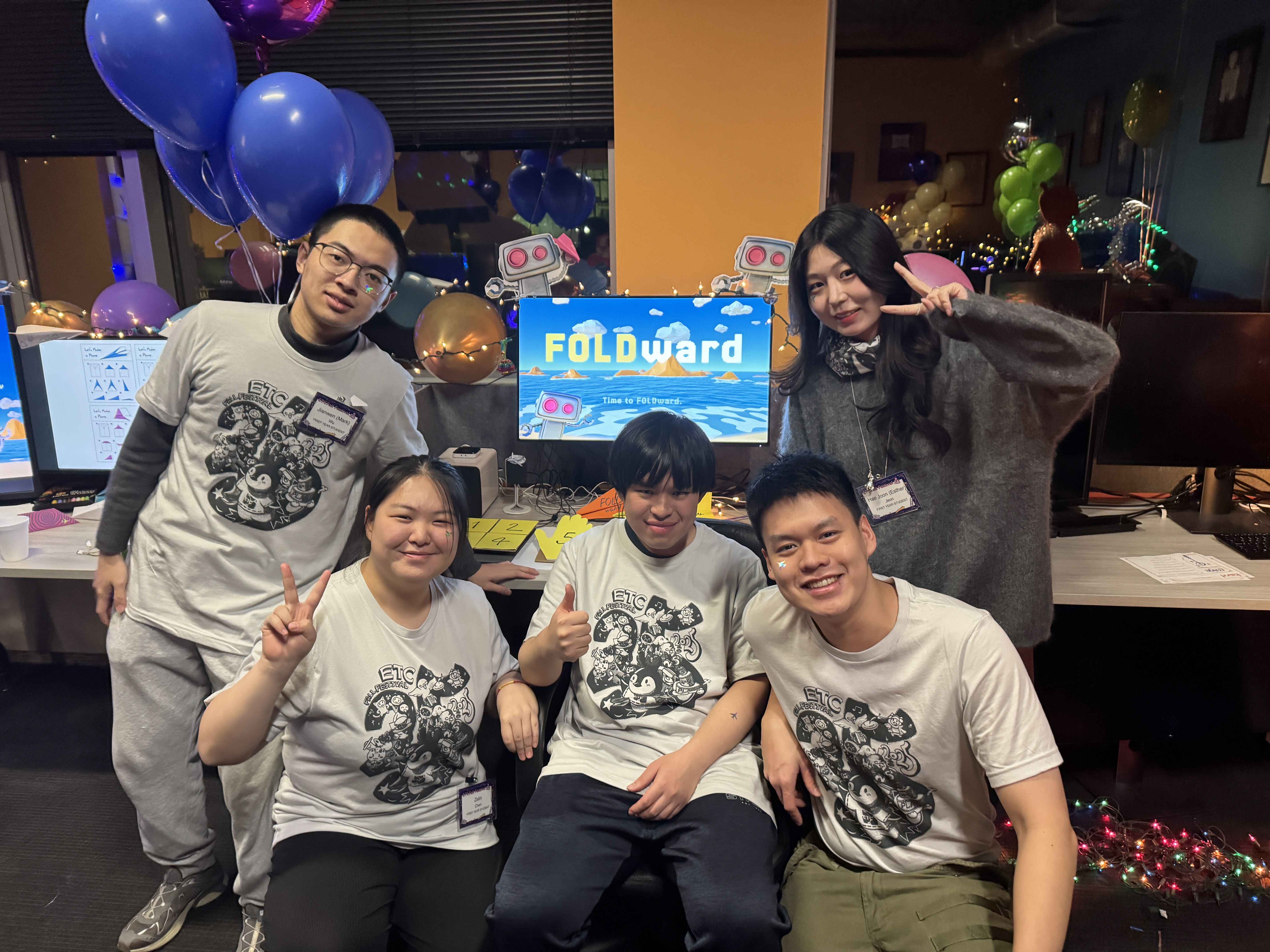
That was our first round, and it did change my mindset from before. I also kind of realized how to cooperate with others and what my strengths are. I may not be good at thinking of a good idea from zero to one, but I can make other games better.
MICDROP (Round 2)
Then came round 2. After rethinking everything, the round 2 team was the closest to what I imagine my ideal development team would be. Everybody was active and responsive, which made it feel like a breeze to work with even though two of the members were inexperienced.
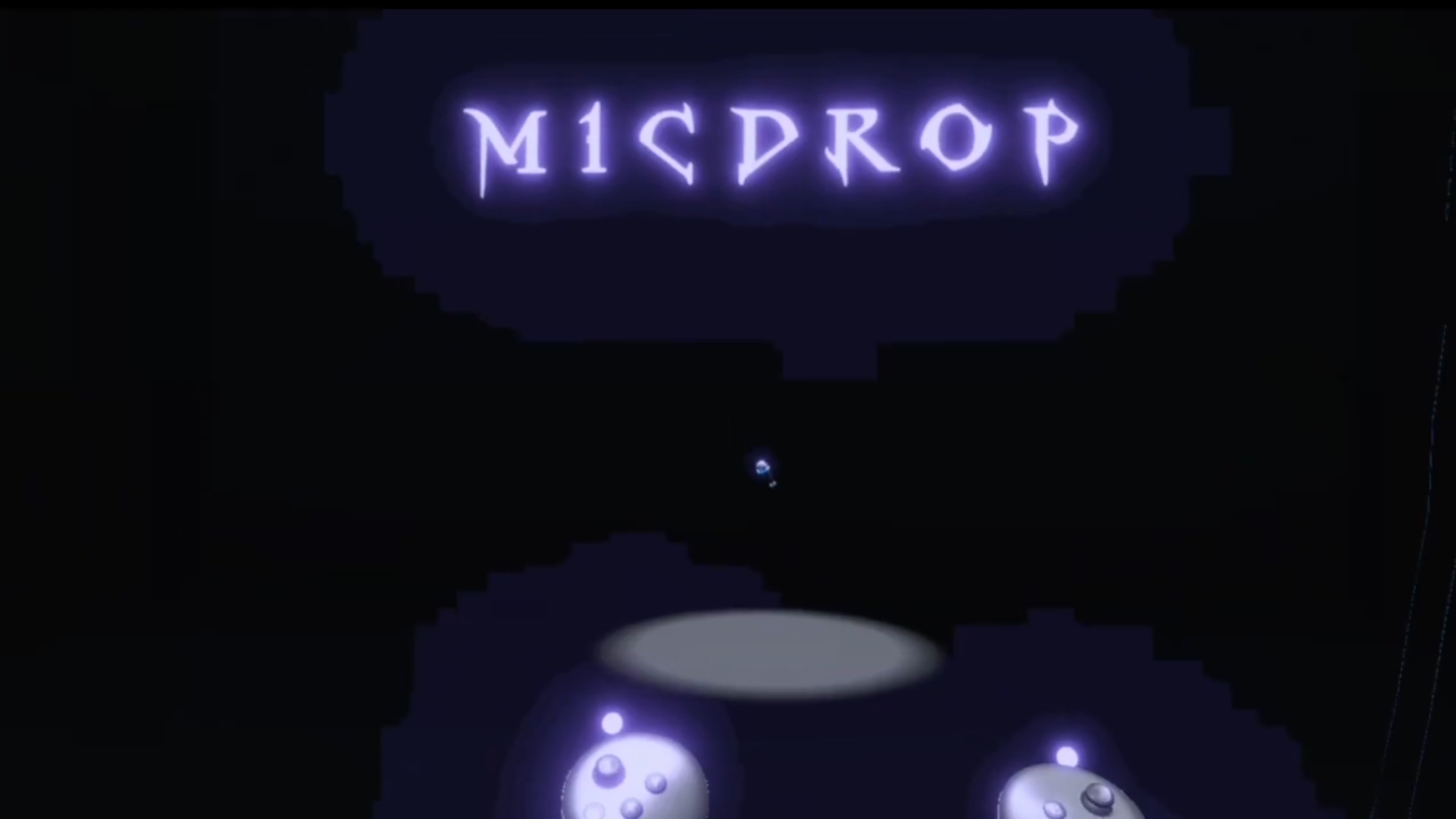
This round, we were demanded to make a VR experience, plus we had to consider naive guests and indirect control. Naive guests means that guests are new to VR, and indirect control means that we cannot tell guests exactly what to do. VR is already hard to develop, and adding these two extra constraints made it the most challenging round among all to design. We almost freaked out, and I brought out every brain cell I had to refine everything again and again.
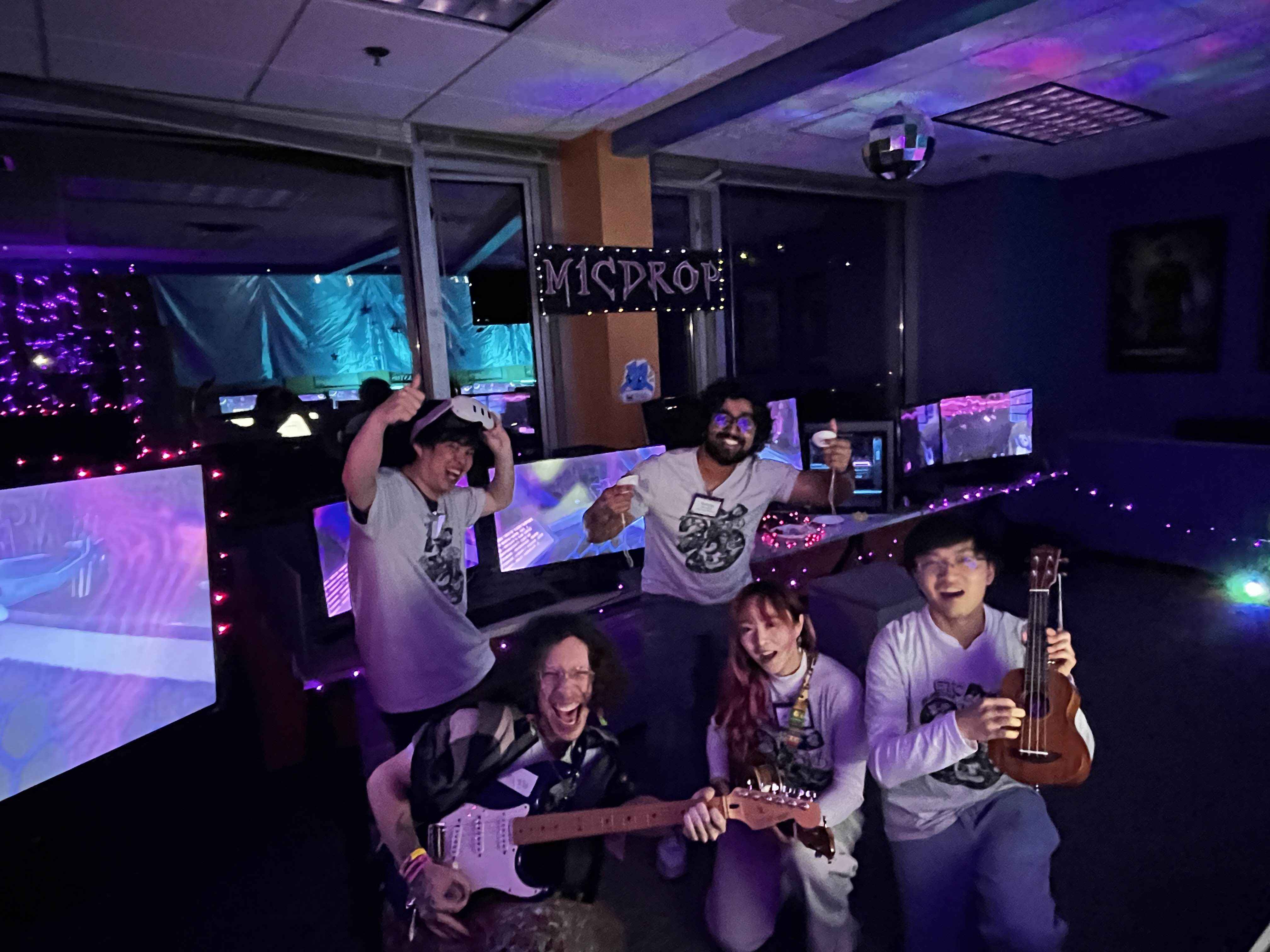
Thankfully, we had a pretty good design that fit the theme we were given, and we came up with a crazy ending that made the narrative of the game really deep. And it was just a three-minute experience. We managed to design everything perfectly, using limited options to let guests learn what to do while keeping the immersive experience.
This Planet Sucks (Round 3)
The biggest difference in round 3 was that we only had one week. This time, we were also able to bring in different cool controllers.
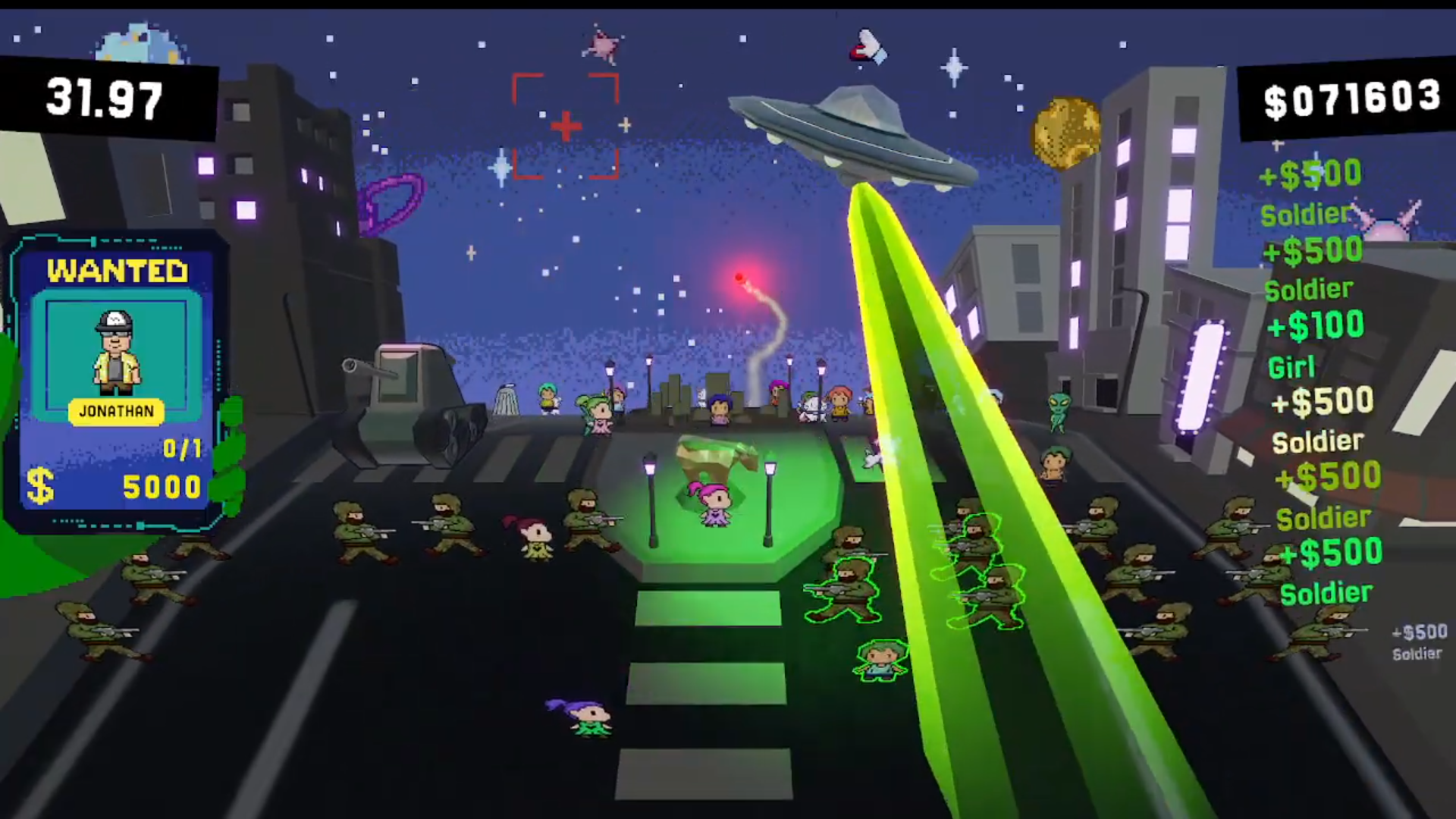
None of us had ever developed with an eye tracker before, so we decided to utilize it to make a cooperative game. We set up milestones so that we had solid targets to chase for each day. We also constantly playtested, which was how we found a big flaw in our game. The gameplay itself was fun, but players were not urged to cooperate with each other.
To be honest, the same thing happened in round 1: players did not talk to each other during the game. That was the moment I realized cooperative design is really hard, and the design itself will constrain how much fun it can be, no matter what you do. Unfortunately, the fun of the gameplay we thought of did not meet my expectations, and I was really down at that time.
It was too late to change since we only had one week, and I am not blaming anyone since we came up with this together. But it was a huge lesson that I should not look down on cooperative games.
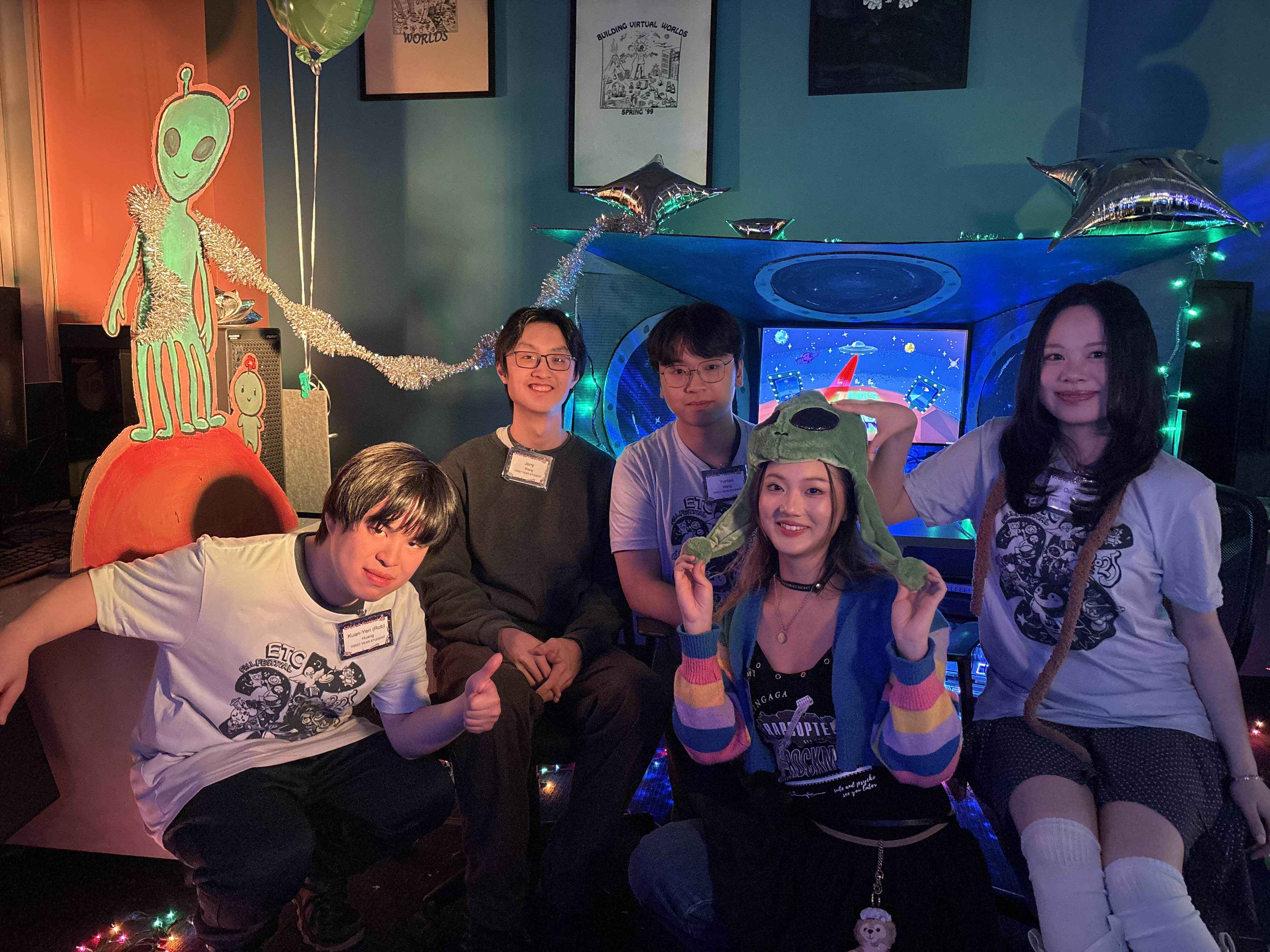
We still managed to do everything we could to refine the game itself, and it turned out to be really polished. But if I were to rank all four BVW games, this would be the last one, and I wish I could have done better. I still have to state that our teammates all did their jobs, and it was a pleasure to work with them. It was just that the design did not feel quite right for me.
BEAT-Shojo (Round 4)
The last round.
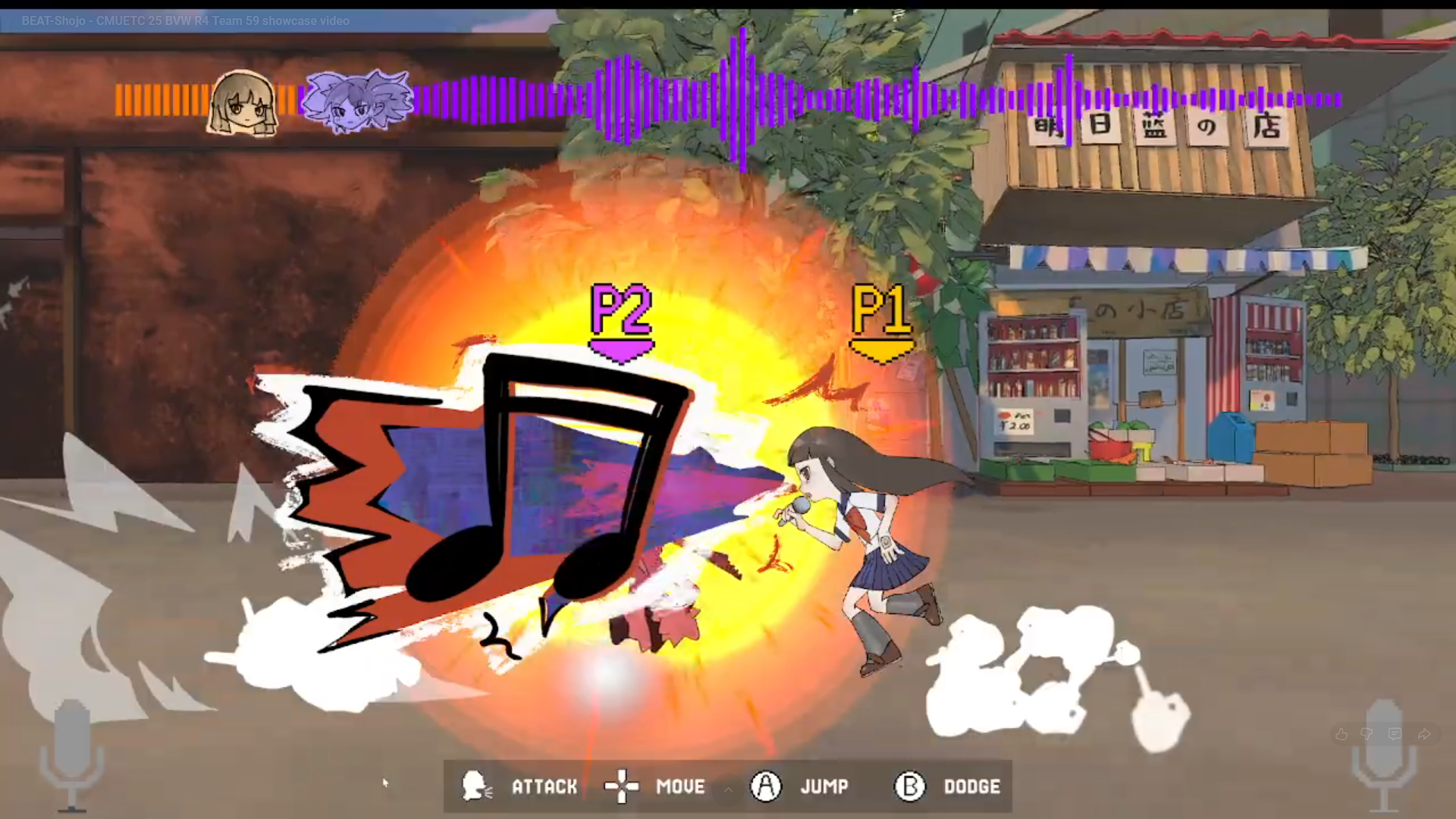
This round was the most painful round, but it is also the round I am most proud of. Listen, I managed to make a well-crafted fighting game almost alone due to certain reasons in just two weeks—wasn’t that crazy?
This round, we were assigned to make a game that suited the Festival. We brainstormed and listed three factors we needed to consider:
How do we attract guests to come?
How do we let guests want to try?
How do we let guests want to replay?
We thought of using microphone input as one of the key mechanics, allowing us to attract people through the loudness our game created. We analyzed that guests would want to try the game when they think they can do better, so a game that is easy to understand is important. Additionally, if we want players to replay, we still need extra design depth. Thus, we concluded that we could make a Smash-like fighting game involving yelling into a microphone to launch attacks. Since it is Smash-like and uses microphone input, it would be easy to understand, and the competitive nature and deep strategy of fighting games would encourage replay.
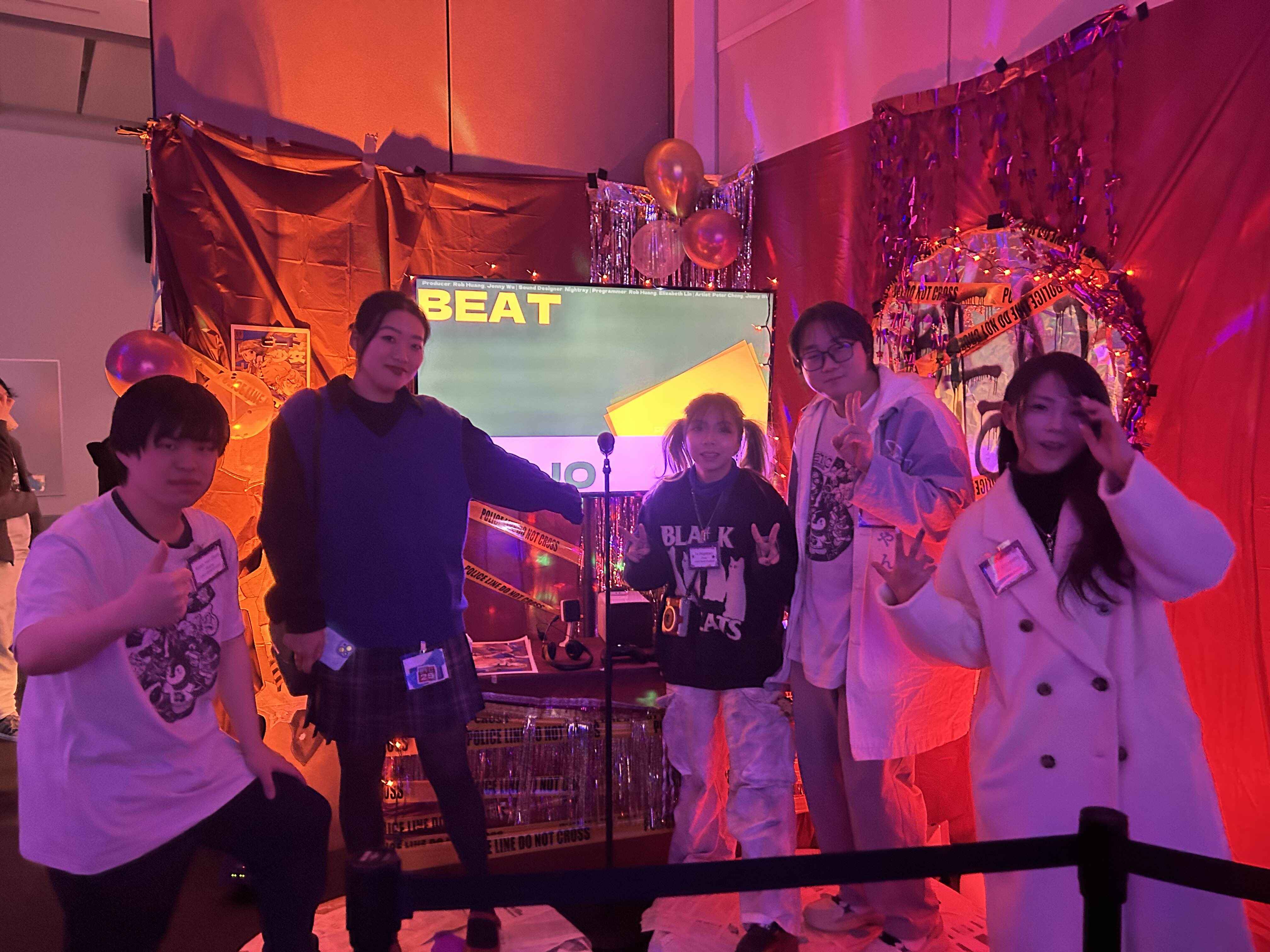
Well, it worked. Although there were better games that were more suited for the Festival, our game was really good. We achieved what we planned and added even more extra elements to spice it up. The game itself was really deep, and our team did not feel bored while playtesting it. The completeness of the game definitely caught people’s attention, and I am proud of it.
The Festival
Yes, my goal. The goal I set during the first week of the semester was to have all four rounds get into the Festival.
Well, I made it.
I really surprised that I made it since there were so much interesting games that others made.
I was the only person who had all four rounds get into the Festival, and it was definitely not easy. Preparing for all four rounds was indeed crazy, and I had to constantly run around checking on others since I was also a producer for all four rounds. Thanks to all my teammates who supported me, I was able to survive through that.
During the Festival, watching others play the games I participated in did make me happy. But at the same time, I knew that these four games I made were not the best games in the Festival. Not to say they were worse—they just did not suit the Festival vibe enough. However, I do not regret the design choices I made, since those decisions made our games more fun overall.
Maybe…
Was it worth it?
To be honest, I don’t know.
During BVW, I was always thinking about what I should gain from this experience. I did met a lot of crazy people, worked with them. I set a really crazy goal, and I achieved it.
But what did it prove?
Maybe I was just lucky to have all four rounds get into the Festival.
Maybe I was just an average programmer.
Maybe others did not need to spend the amount of time and effort I spent on making the same thing.
Maybe others just did not care enough about BVW and focused on more important things in their lives.
Maybe it was just because BVW suited my work environment, allowing me to generate things more efficiently.
When will I stop thinking about “maybe” and truly gain confidence?
I hope to find out in the future.
But at least there were some facts I gained from BVW certainly:
I love game development.
I enjoy being a generalist game dev.
I do want to be an indie game developer.
We’ll see then.
Comments