BALL X PIT - A Textbook Example of Indie Games for Now and the Future
Pit Does Not Stand for Pittsburgh
BALL X PIT is one of my favorite games of 2025, and I also think this game reflects an important question in today’s indie game industry. The game sold really well— as of 2/3, it has reached over 20k reviews with an “Overwhelmingly Positive” rating. But what elements actually make an indie game sell in 2025?
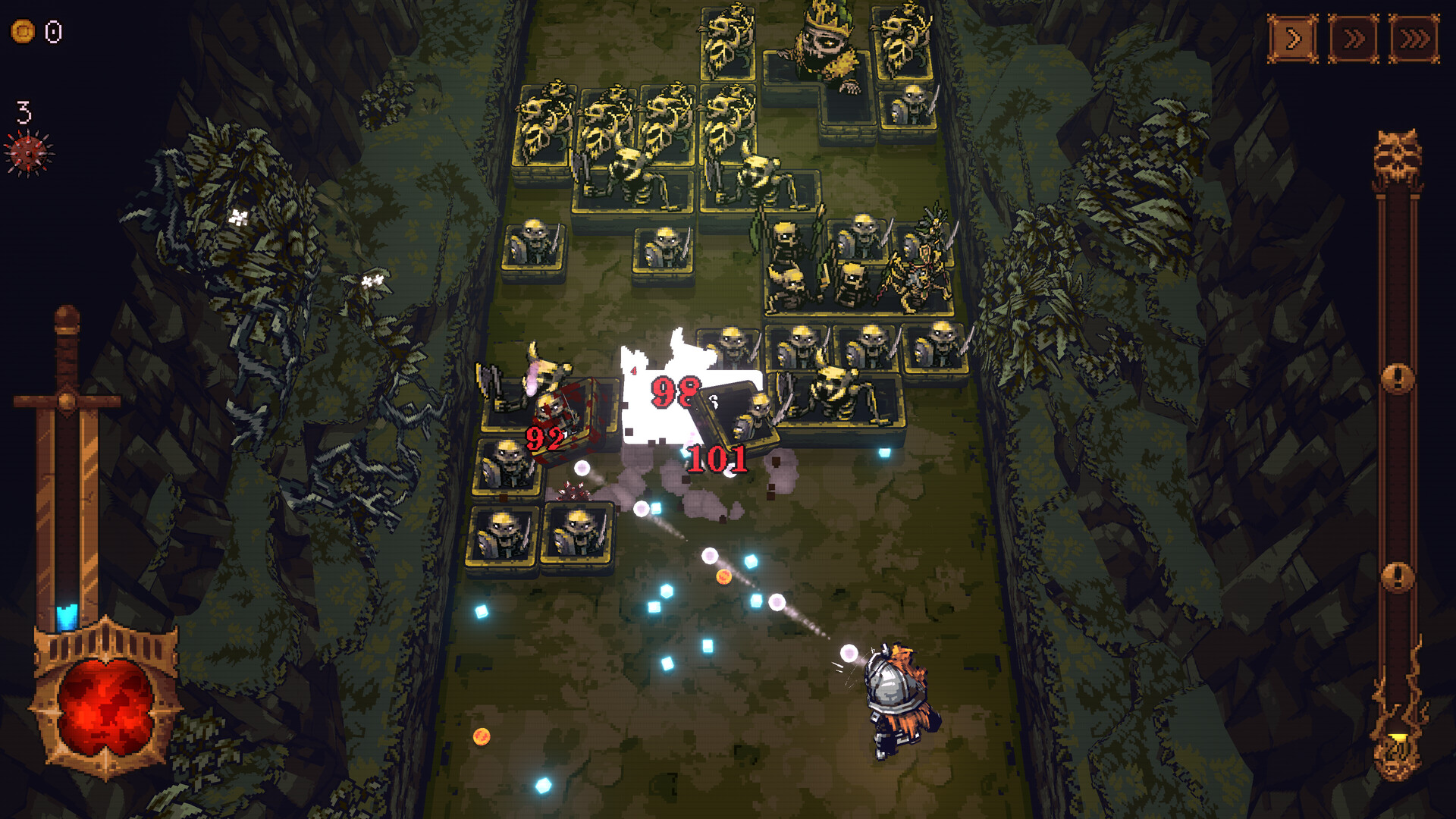
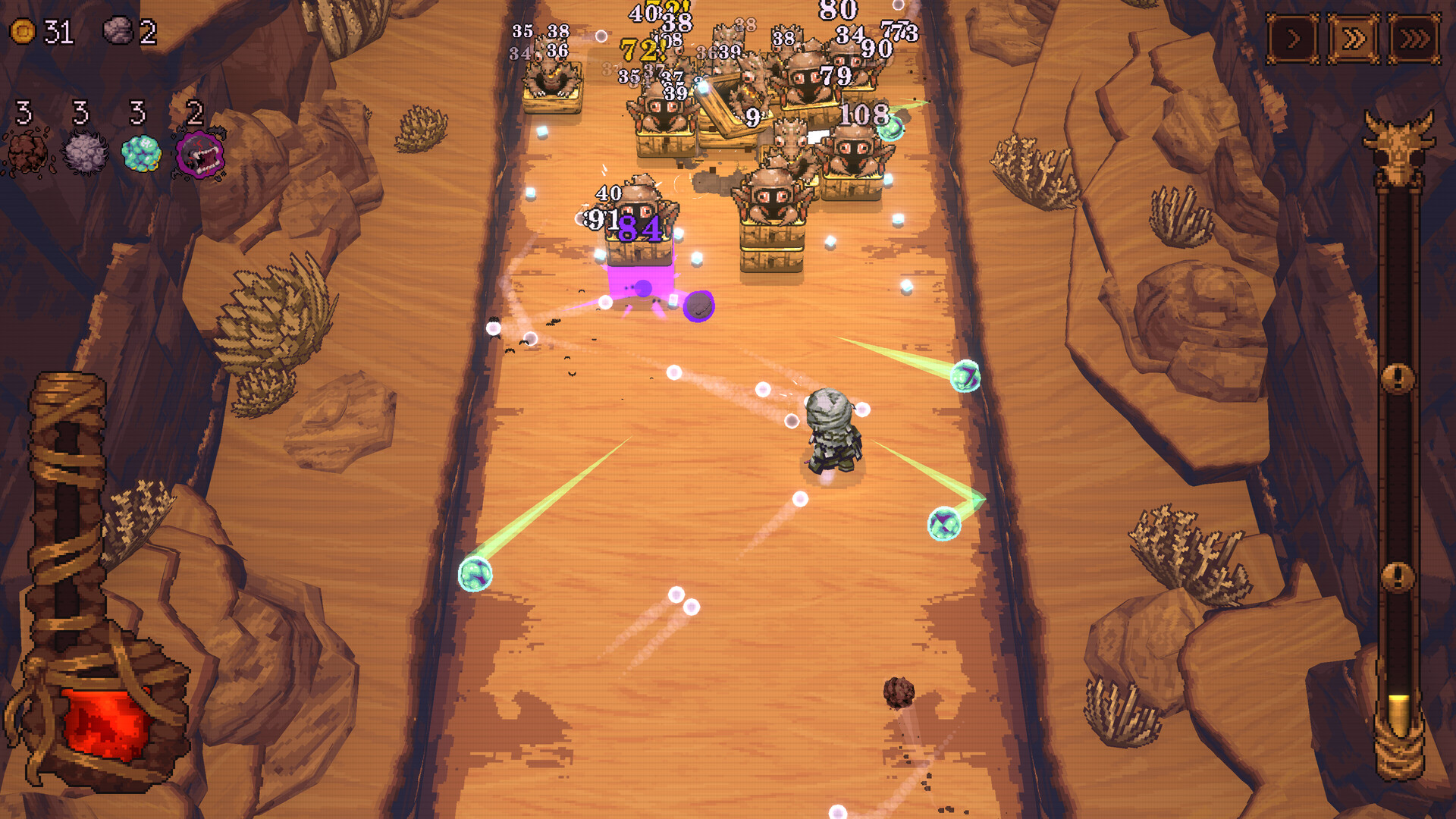
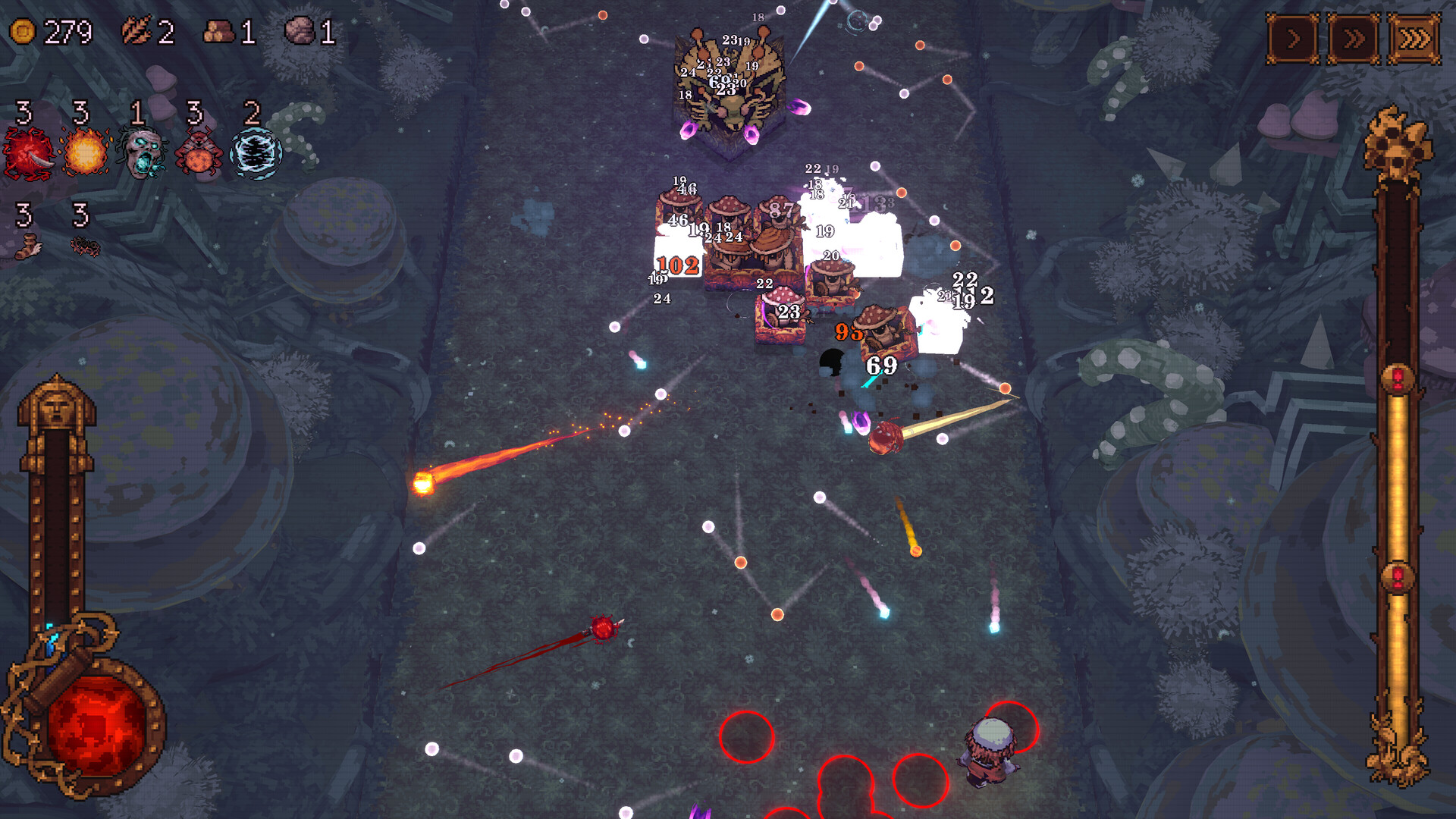
For context, BALL X PIT is a roguelike game about pinball. You control characters in a level, shooting bouncing balls that damage enemies on contact. But there is more depth beneath this simple premise.
Easy To Learn, Hard To Master
The first thing I noticed in BALL X PIT is that its mechanics embody a very successful design principle: easy to learn, hard to master. As more and more games are released every year, players have less time to decide whether to deeply commit to a game or just try it briefly. An easy to learn, hard to master design tends to hook players quickly while still providing long-term depth. To make my life easier, I’ll shorten this to ELHM.
BALL X PIT achieves this twice, at the same time. Both the action and the strategy layers of the game follow the ELHM principle.
On the action side, the core gameplay is about shooting balls at enemies, essentially playing pinball while clearing waves of foes. Aiming and shooting enemies is immediately fun, but it’s not enough to just aim straight at them, since the balls will bounce back. You need to adapt to enemy patterns and aim into corners or open spaces so that the balls can keep bouncing and deal continuous damage until they return to the bottom of the screen. This becomes even more complex when you unlock different characters, each of which introduces new rules that force you to readapt your playstyle.
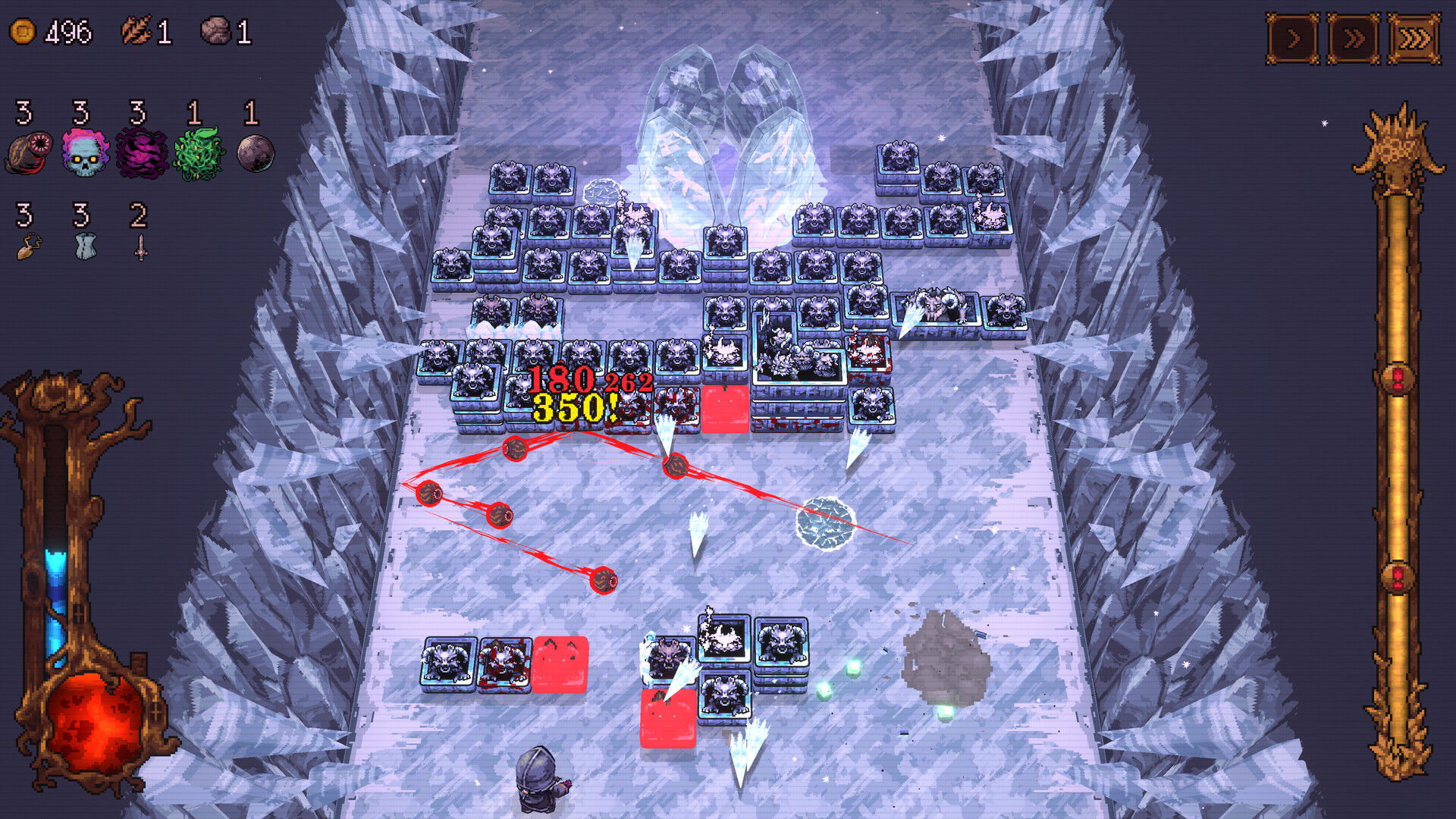
The strategy layer is also ELHM. Players can equip up to four special balls during combat, each with a unique effect, such as applying status effects or dealing AOE damage. The best part is that you can combine two balls into one. This single system dramatically expands what players can do. For example, combining an AOE ball with a status-effect ball creates a ball that applies status effects in an AOE. Anyone can combine two balls, but with certain combinations, the result will evolve into a completely new ball with a brand-new ability, which can then also be combined again. There are 18 base balls and 42 evolved balls, all of which can be combined further, creating an insane amount of possibilities. Did I mentioned that the game also let you collect and upgrade items?
This is a really interesting design. Managing to make both major aspects of the game ELHM is incredibly clever, and they support each other well. The strategies you choose affect how you execute the action gameplay, and how well you execute the action gameplay determines how effectively your strategy pays off. It’s a brilliant loop, and I think this is one of the main reasons BALL X PIT succeeded.
Constant Feedback and Abundant Content
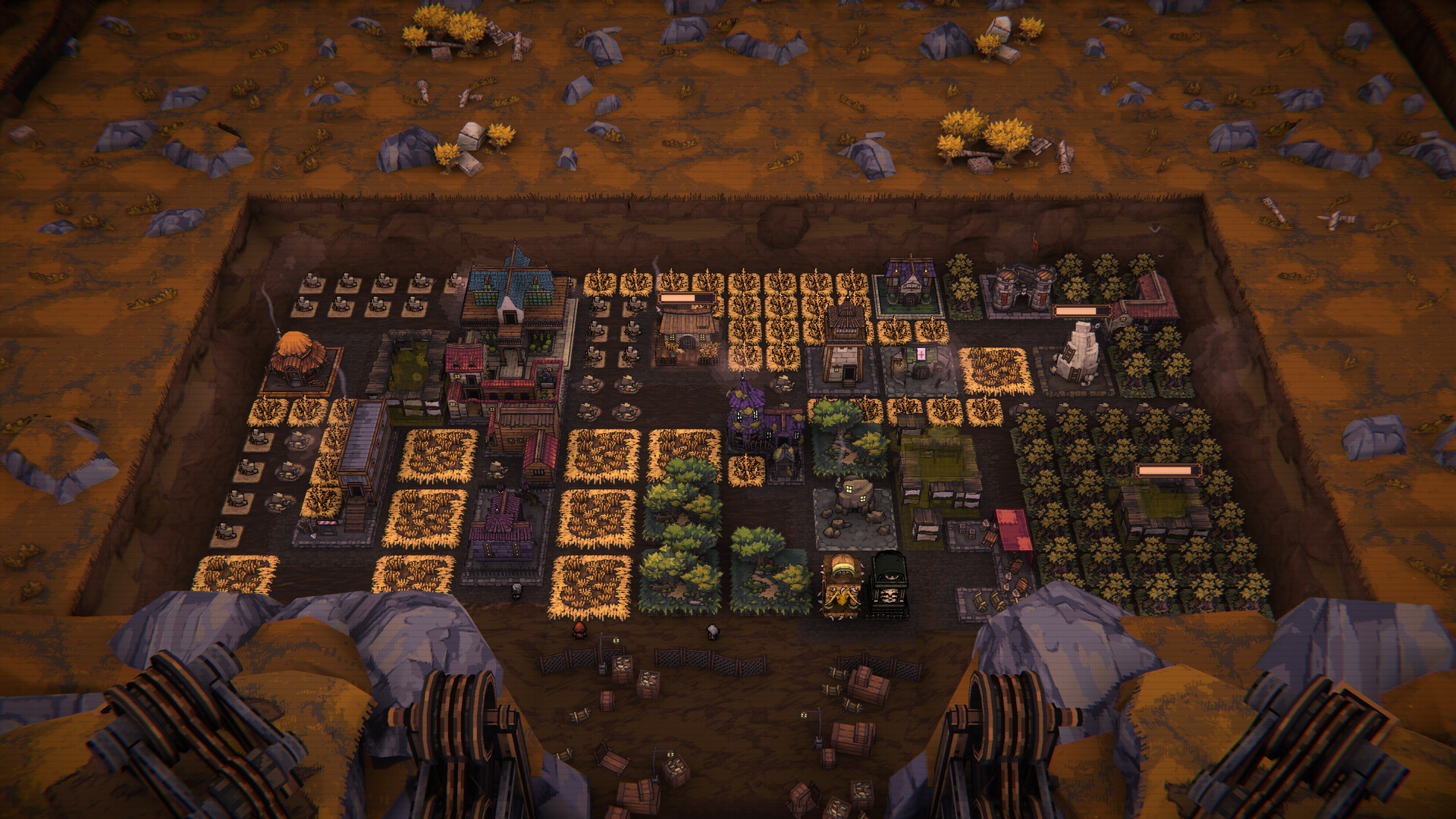
There’s two other things BALL X PIT does extremely well: it provides satisfying feedback at every timescale—seconds, minutes, hours, and even days. The visual feedback of numbers popping up and VFX when shooting balls and killing enemies is satisfying on a second-to-second basis. The fusion reactor that offers upgrade opportunities is exciting on a minute-to-minute scale. The synergies you discover and the bosses you defeat make you feel empowered hour by hour. The village system, which allows you to build your own village and gather resources, gives you longer-term goals over multiple play sessions. BALL X PIT constantly rewards the player at both micro and macro levels.
Another point worth mentioning is the sheer amount of content. As noted earlier, the game includes 18 base balls and 42 evolved balls, 16 playable characters with unique abilities, 8 distinct levels, New Game Plus, an endgame village system, leaderboards, and infinite progression upgrades. There’s more than enough here to keep players engaged for a long time. On top of that, the developers have published a roadmap outlining three major future updates. Are all of these systems equally fun or meaningful? Probably not—and realistically, most players won’t engage deeply with every piece of endgame content. Still, the sheer presence of this volume of content can just let those players complainging "not enough play time" shut up.
What Made It Successful in 2025?
ELHM design, constant feedback, and abundant content are three factors that I believe made BALL X PIT successful. In fact, you can see these characteristics in many other successful indie games.
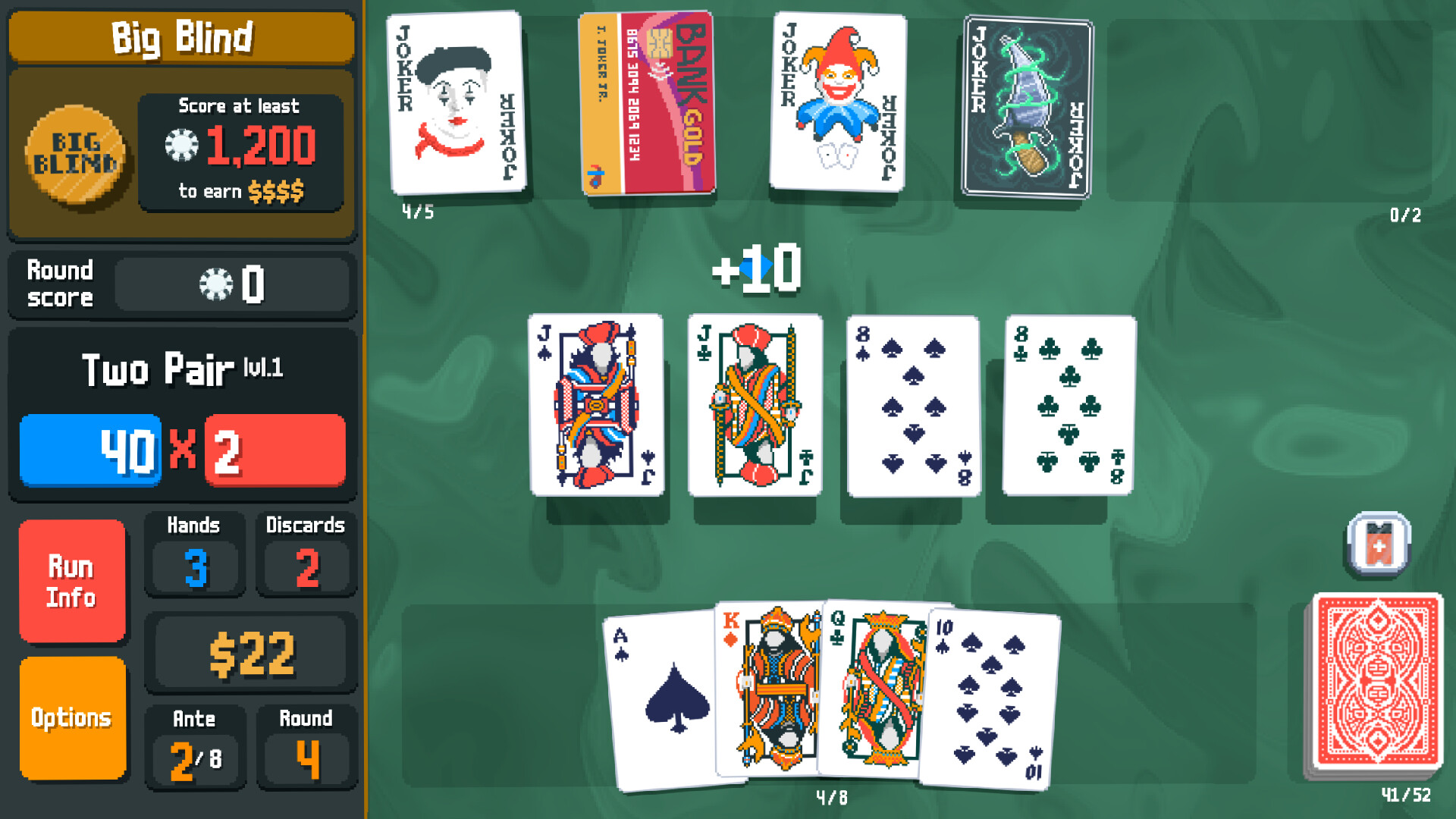
Balatro is ELHM because it uses familiar poker rules while introducing deep strategic layers through Jokers. It provides constant feedback through ever-growing numbers as you gain new items and adjust your strategy, and it offers abundant content with many Joker cards, multiple decks with different difficulties, collaborations, and promised future updates.
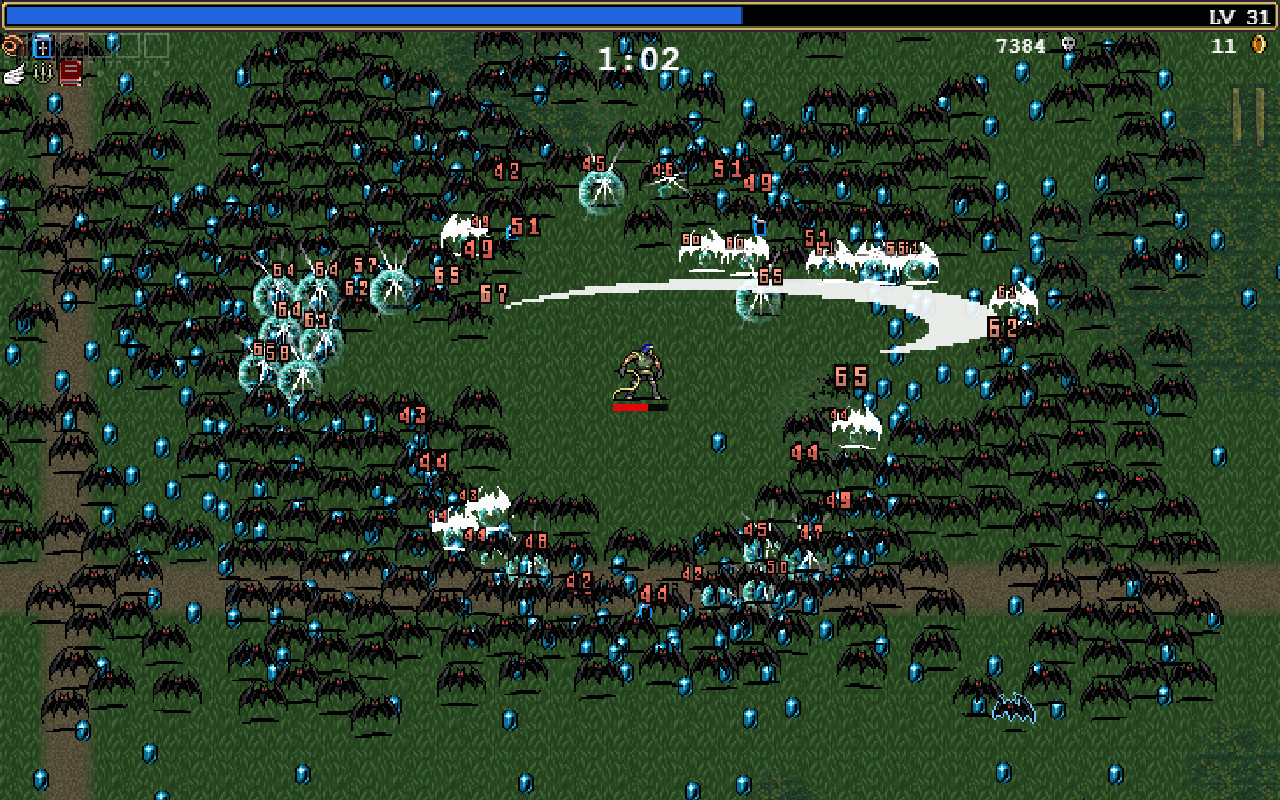
Vampire Survivors is also ELHM, with extremely simple controls but deep item synergies and secret combinations. The constant feedback comes from opening chests and experiencing sudden power spikes, and the game continues to grow through frequent updates.
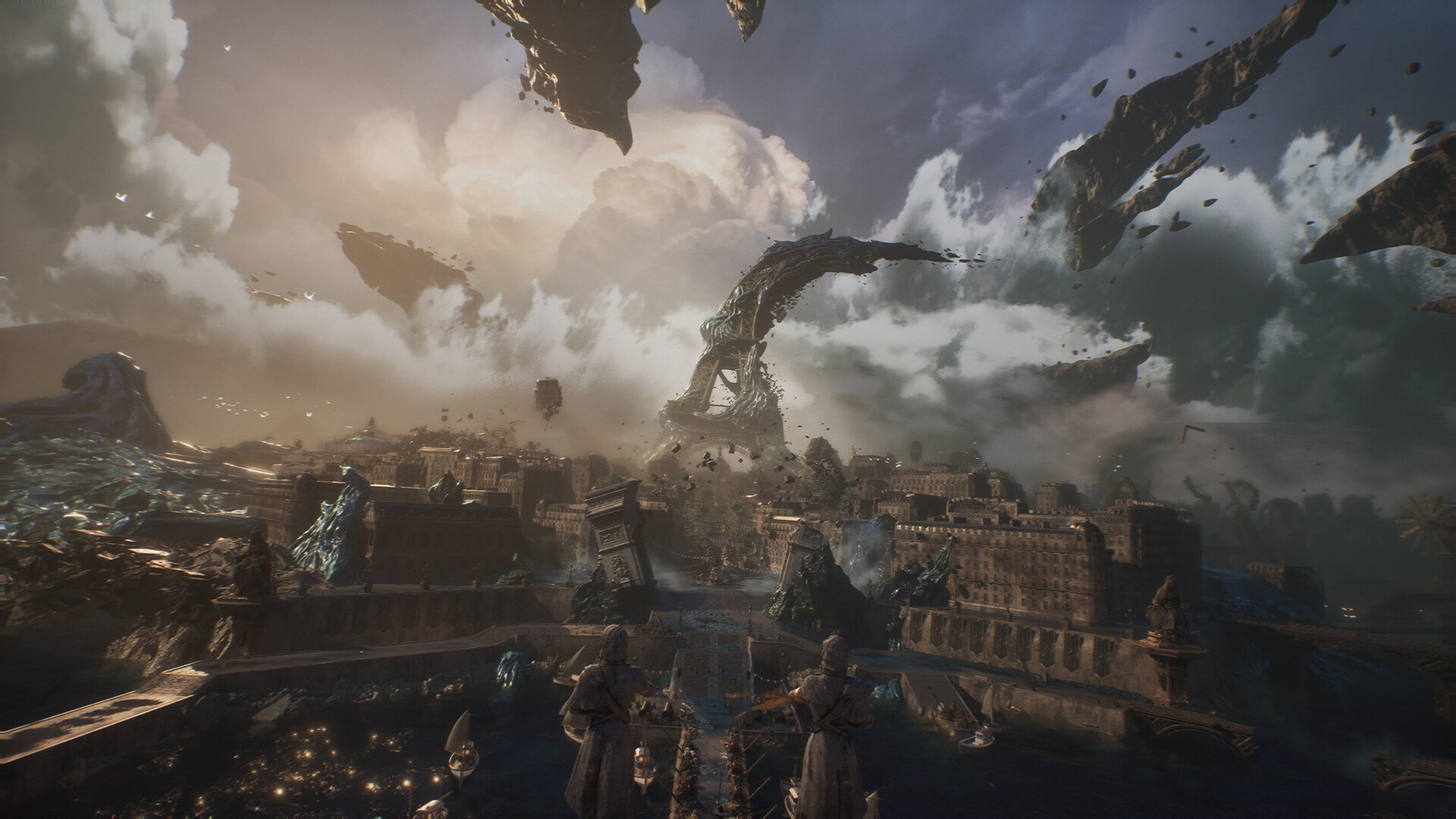
Although Expedition 33 is debatable as an indie game, it still exhibits these characteristics: ELHM combat and character progression systems, strong feedback through detailed animations, and plenty of side content beyond the main story.
These characteristics seem to be key factors behind why many indie games become popular nowadays. I think this reflects a broader shift in the indie game landscape. Indie games have moved closer to the mainstream market. They are no longer only carefully crafted art pieces, but also commercial products that bored players might consider buying. In my opinion, it’s not that indie games have lost their soul—rather, but the definition of “success” has changed. The characteristics discussed in this article are simply traits that today’s broader audience tends to love, and they make players more likely to click the buy button.
Well, I’m not saying successful indie games must be made this way. If you can make your core idea truly shine, your game can still succeed with its own light.
Comments