Persona 5 Royal - What Are JRPGs Missing Nowadays?
JRPGs Need a Strong Hook at the Start
One of the biggest problems JRPGs face nowadays is how to keep players engaged until the “fun part” begins. I love the JRPG genre, but I also admit that many titles have a slow start. The first ten hours can feel like a drag. As players become more and more impatient, I believe modern JRPGs truly need a strong hook right at the beginning, a hook to let players continue playing the game.
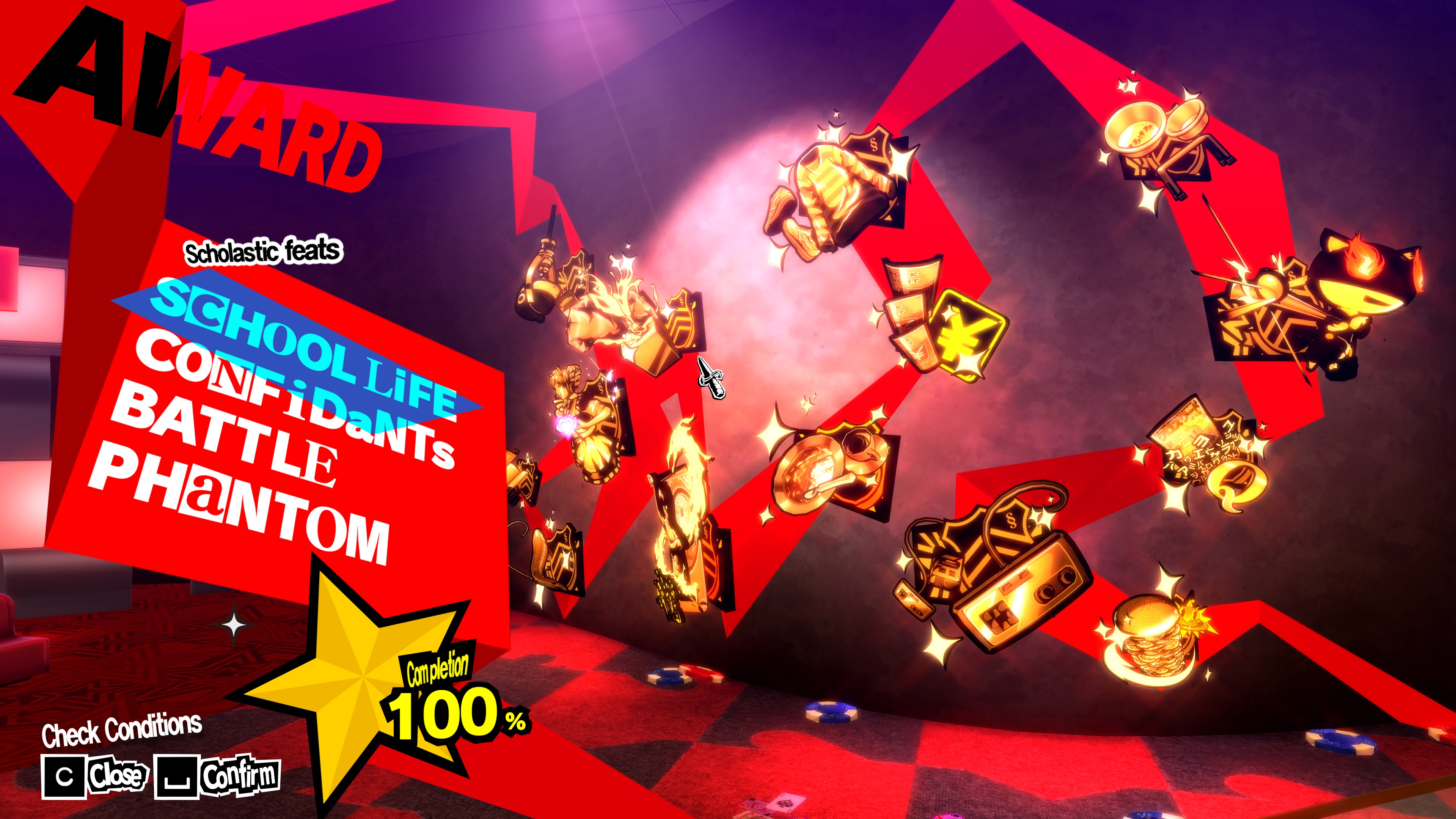
Persona 5 Royal is a great example of a JRPG with a powerful opening hook. I absolutely love this game. I have nearly 300 hours of playtime across three full playthroughs, and I’ve collected every in-game achievement. While most players may not be as obsessive as I am, there’s no doubt that Persona 5 Royal is one of the best and most influential JRPGs in recent years. It’s almost unbelievable how mainstream a JRPG can become—and I believe its incredible opening plays a huge role in that success.
Here, I’ll briefly break down how ATLUS crafted the first ten minutes of Persona 5 Royal to hook players into committing to a 100-hour experience.
Gameplay video here if you haven't play the game.
A Walkthrough of Persona 5 Royal’s Opening
The game begins with an incredible cutscene: helicopters, a casino, tense music, security guards everywhere. Then you appear—a mysterious masked figure in a sharp suit carrying a briefcase. You are clearly a gentleman thief.
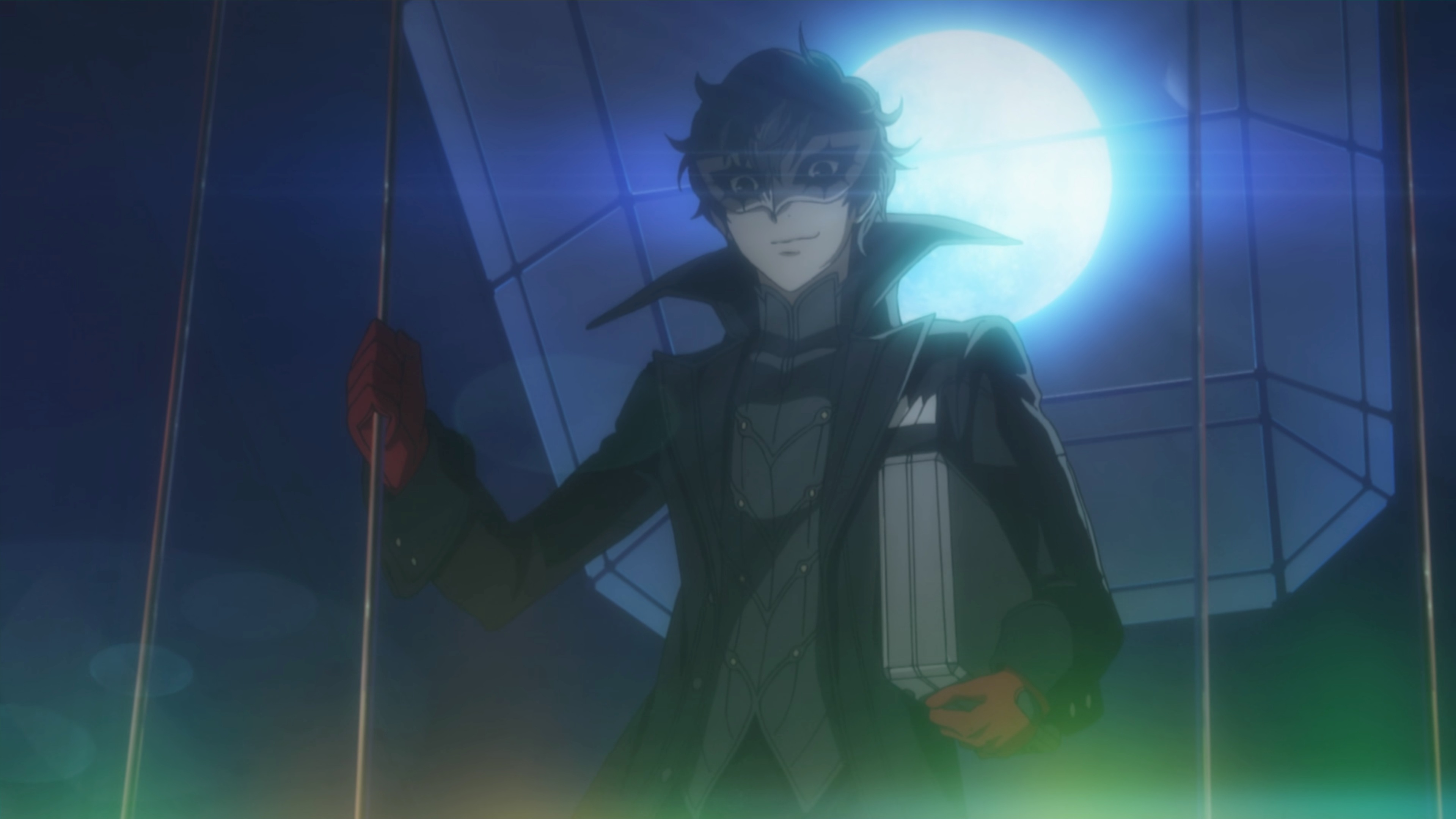
And suddenly, the game confirms: you are playing as him.
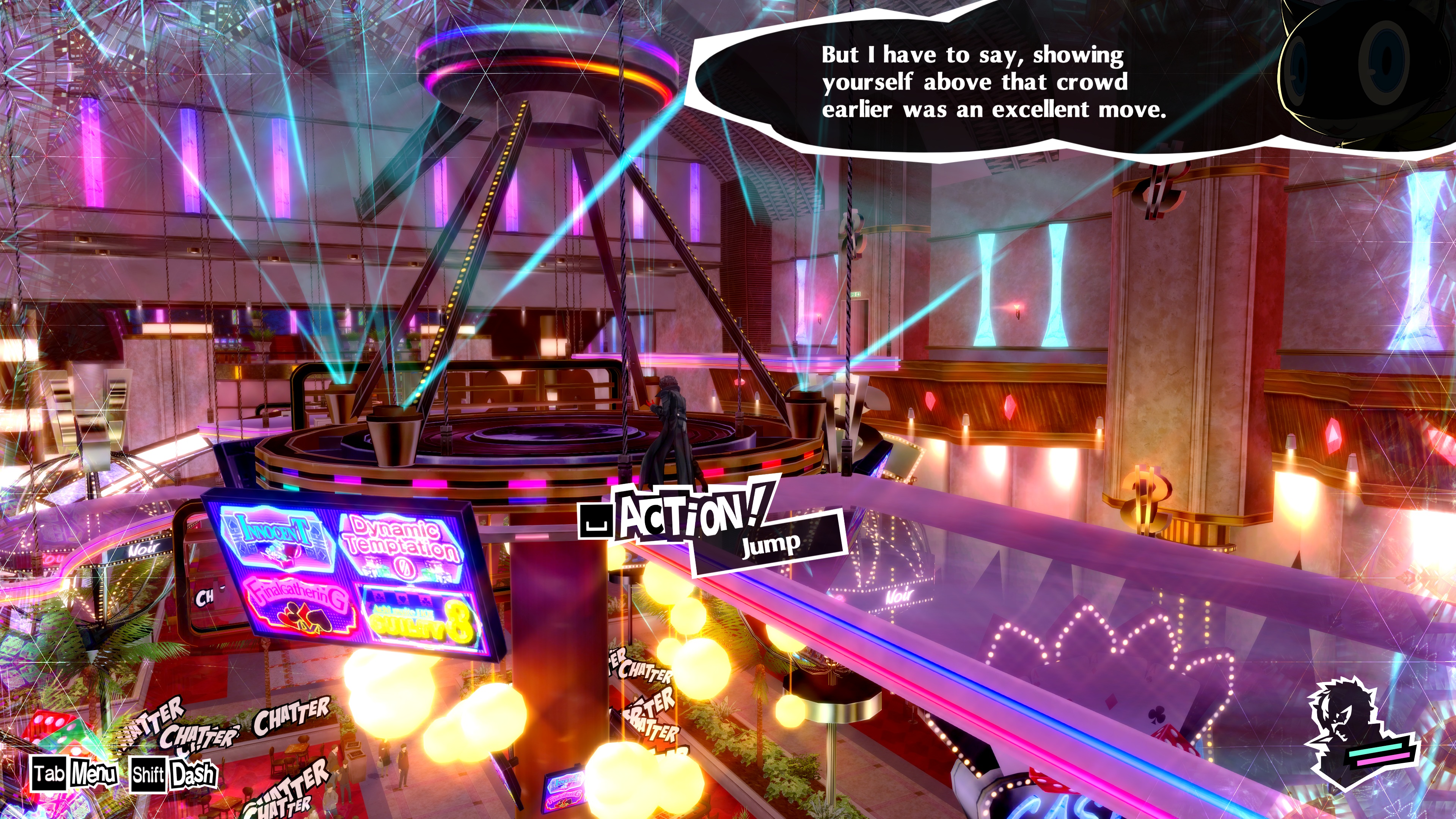
With the amazing soundtrack performed by Lyn and composed by Shōji Meguro, the opening theme “Life Will Change” immediately establishes the tone. The vibe is stylish, rebellious, and energetic.
You parkour across the ceiling, only to encounter a group of enemies. Another cutscene plays—the enemies transform into grotesque creatures. Yet your character shows no fear.
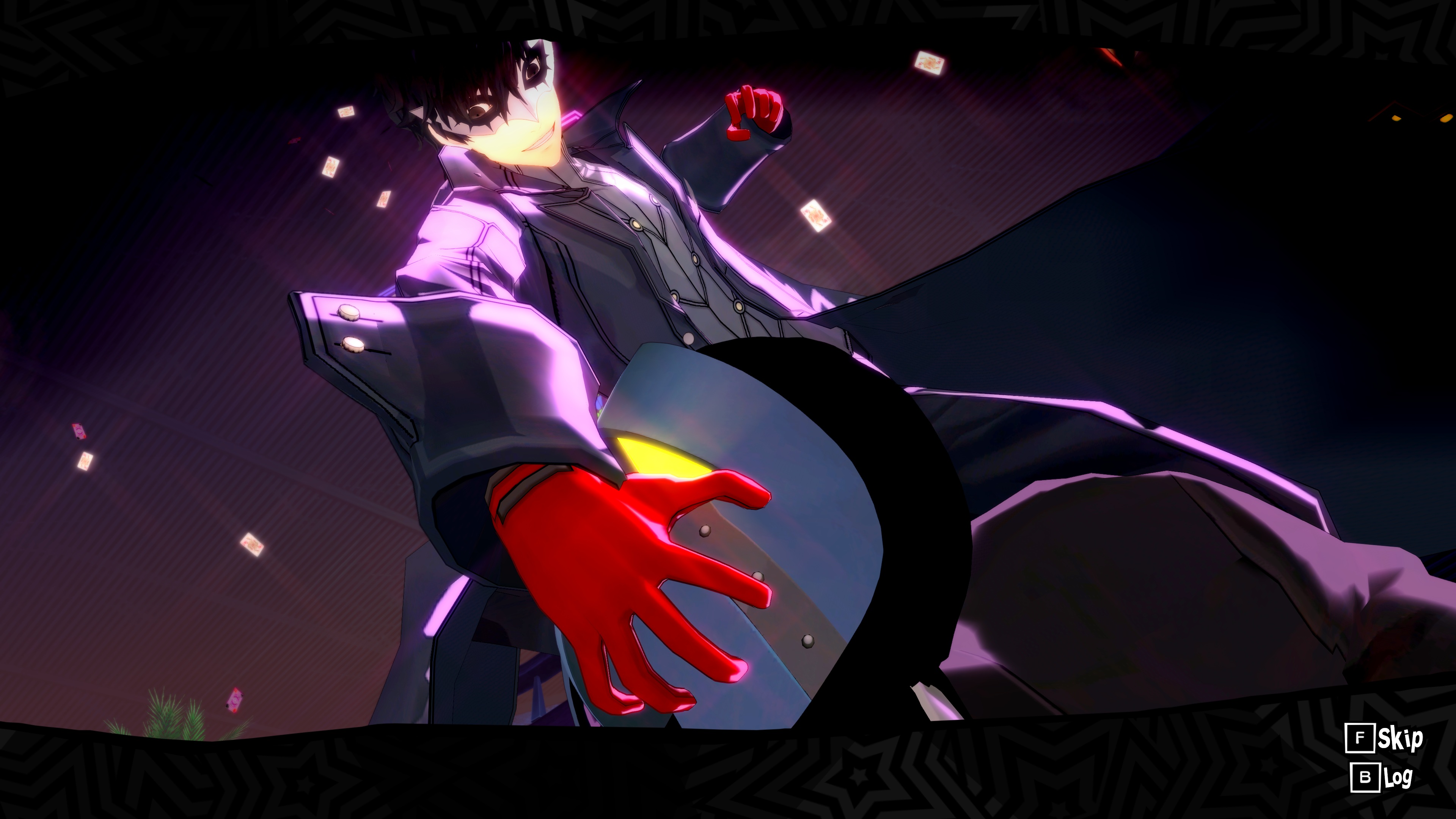
“Take ’em down, Joker!”
You launch into a flashy combat sequence, and the battle begins.
Letting Players Glimpse the Best Parts of the Game
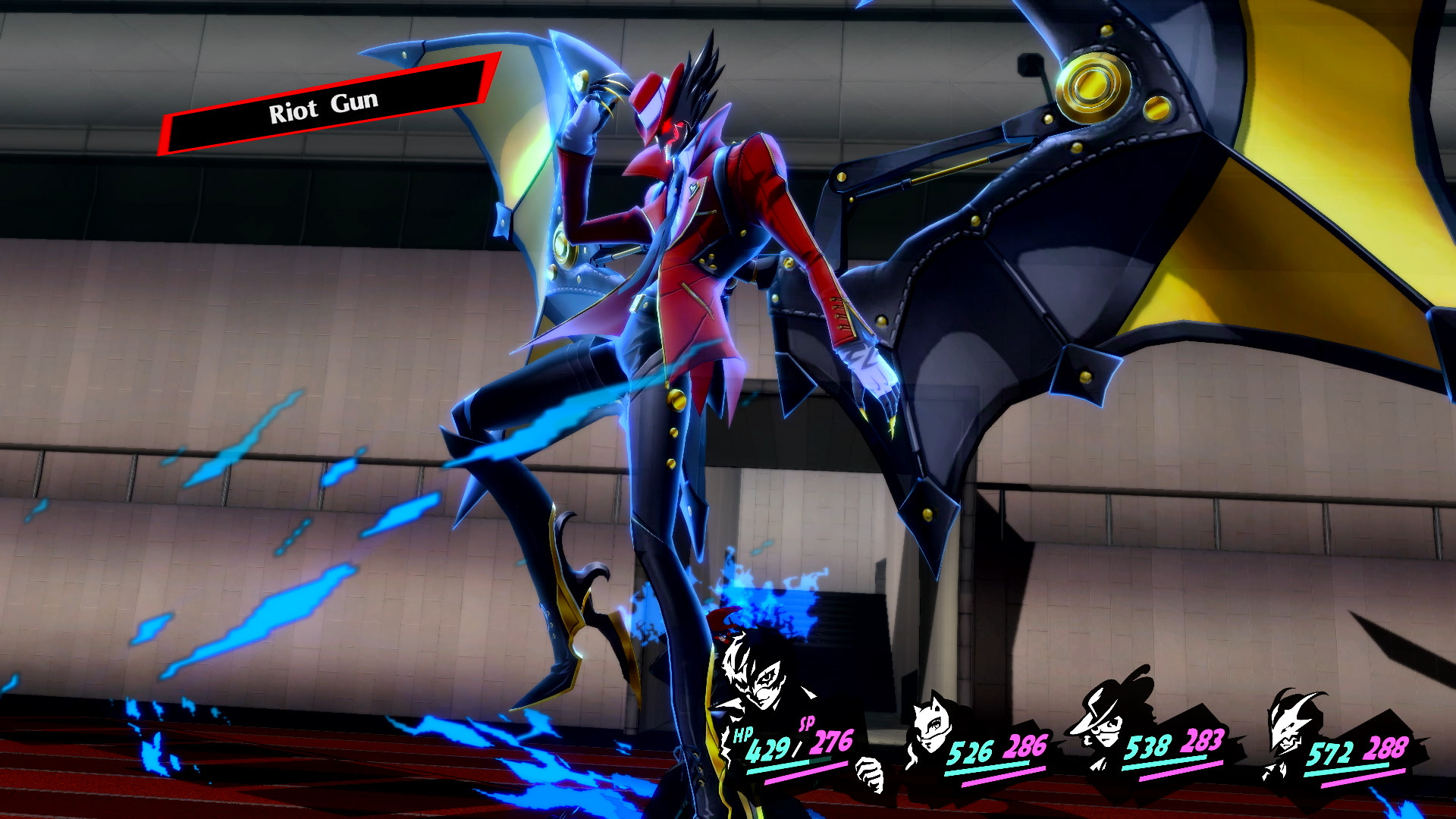
Within minutes, players experience many of the game’s highlights: Stylish UI design, Summoning abilities, Turn-based combat mechanics, Flashy animations
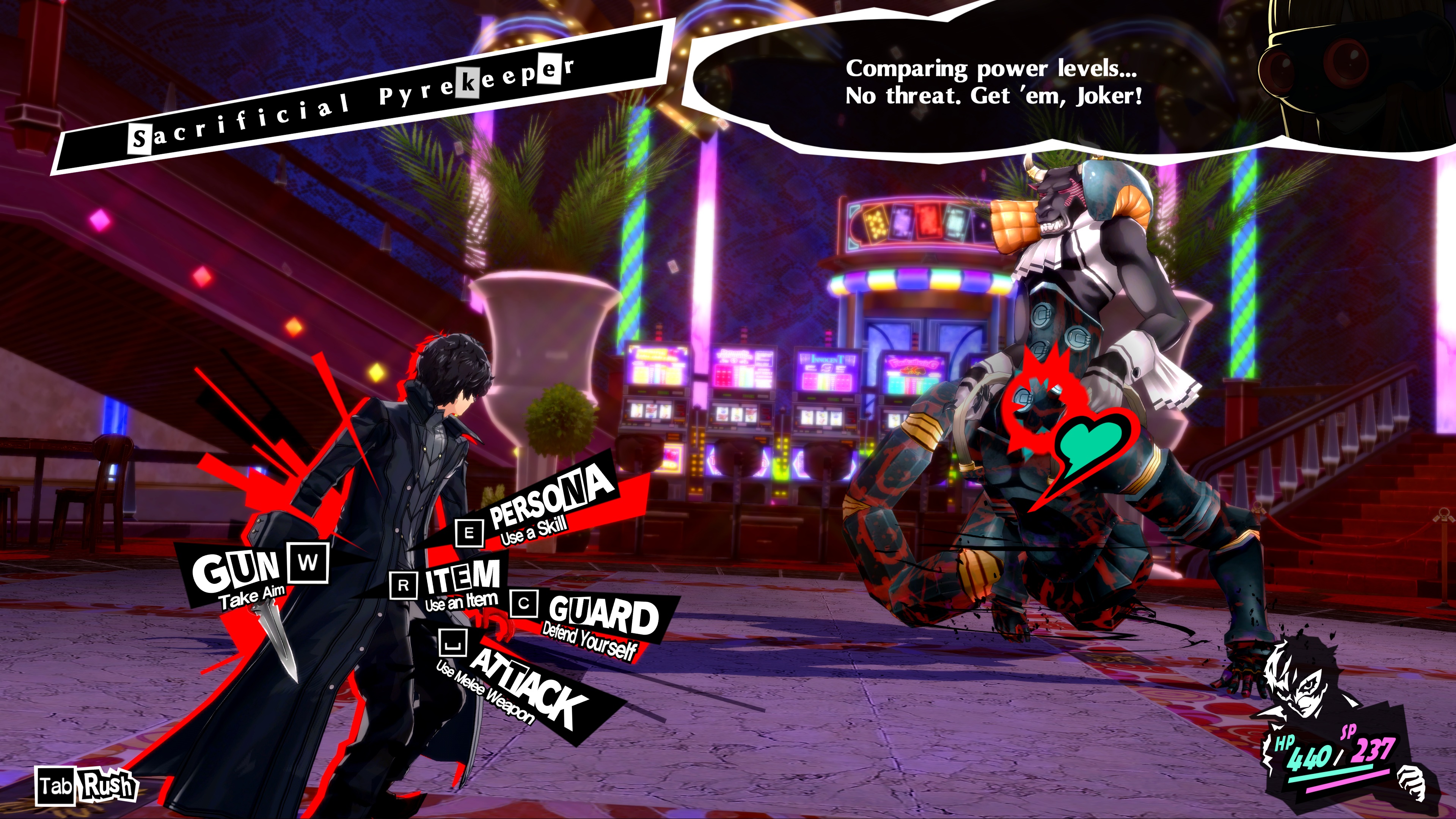
At this points, players get to see some of the highlights of the game. Stylish UI, Summoner like abilities, combat rules and more. There are just so cool. After the combat, more enemy came you somebody navigate you to another route. Everything feels cool and polished. After the initial fight, more enemies arrive, and someone guides you to another route. If you’re playing the Royal version, this section also showcases new features: stealth mechanics, the grappling hook, a mystery helper, the new combat theme “Take Over,” and an All-Out Attack cutscene.
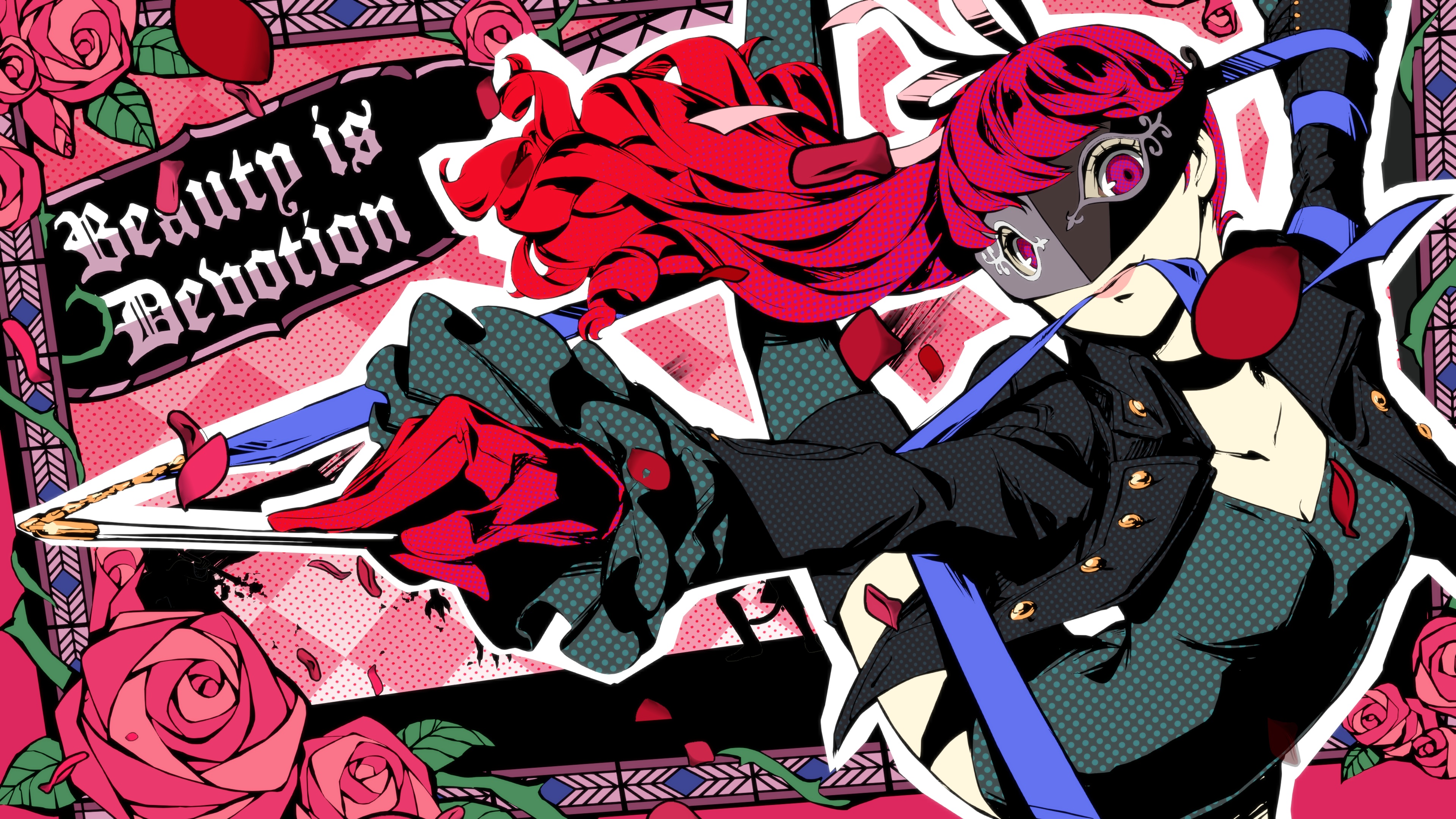
What ATLUS does here is brilliant—they compress many of the game’s most exciting mechanics into a short playable segment. You get a taste of everything you’ll eventually unlock and master. It’s essentially a promise: “If you keep playing, this is what you’ll become.”
That alone is already a powerful gameplay hook. But that’s not what makes Persona 5’s opening truly unforgettable. After the Royal-exclusive content, you’re forced into a final cutscene.
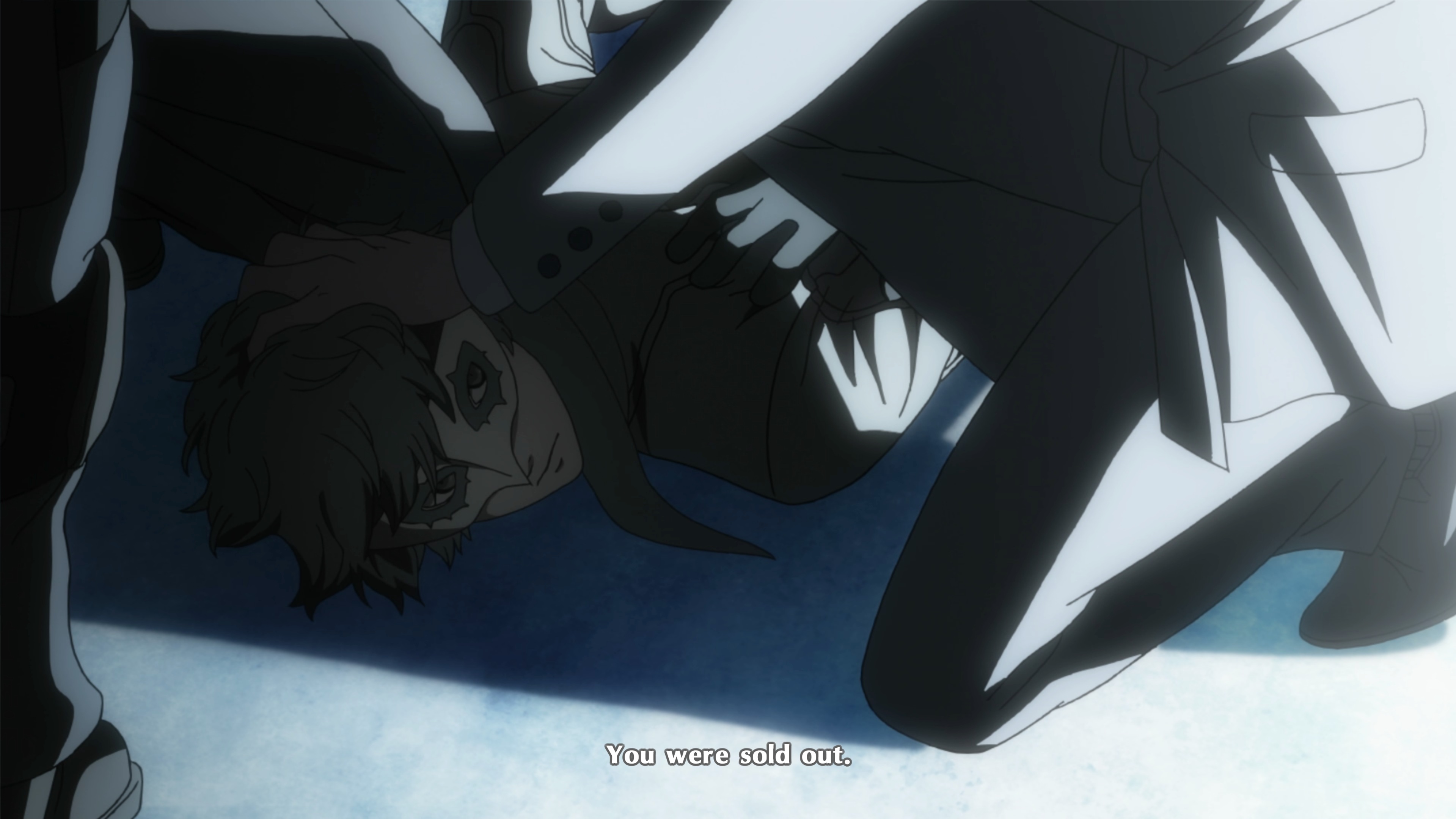
And surprisingly—you get caught.
Leaving Questions in the Player’s Mind
That outcome is completely unexpected. In our imagination, a gentleman thief should be smooth and untouchable. Stylish. In control.
But instead—you fail.
That’s what makes Persona 5’s opening so strong. It subverts your expectations.
You’re taken into interrogation, and during questioning, you begin recounting events from several months earlier—when everything first started. And that’s where the “real” beginning of the game takes place.
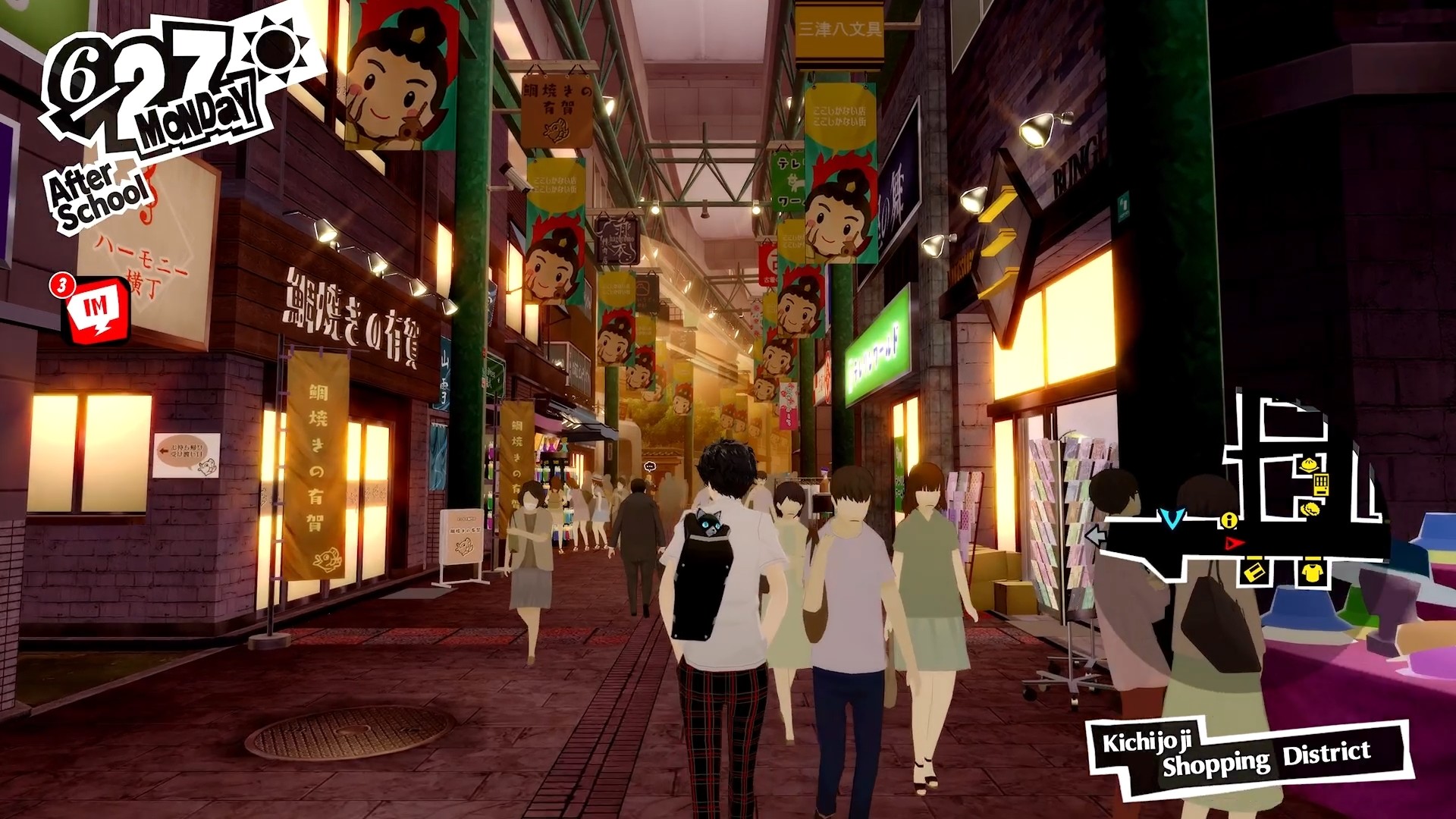
This structure leaves players with countless questions: Why are we at the casino? Why am I a gentleman thief? What am I stealing? What are those mysterious creatures? Why can I summon Personas? Who is the mysterious girl helping me? Why did I get caught? Who is the traitor? And most importantly… is this how the story ends?
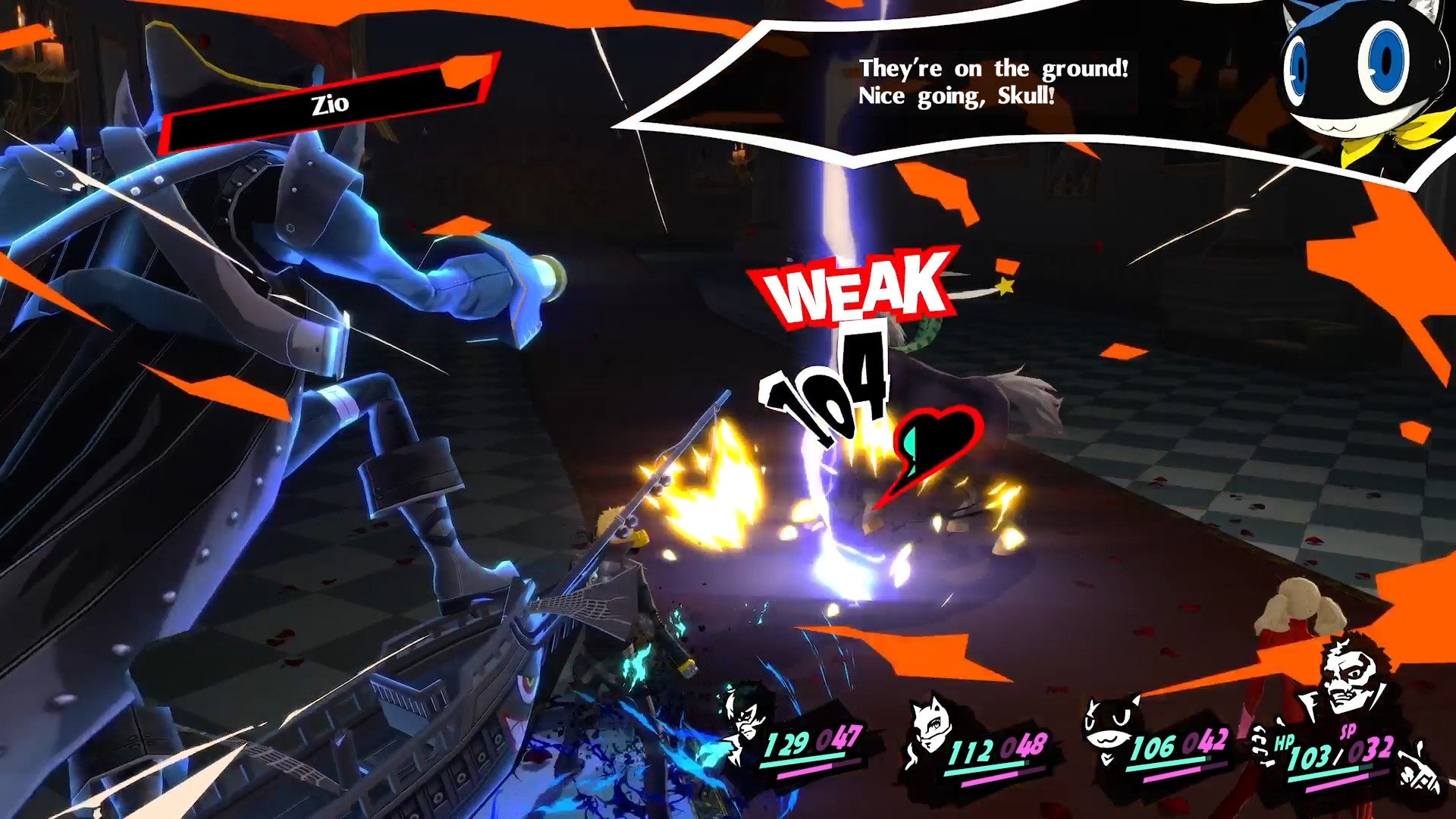
This is why Persona 5 Royal’s hook works so well. It excels in both gameplay and narrative design. You not only experience the game’s peak style and mechanics early on, but you’re also flooded with unanswered questions that demand resolution. It even improves the traditionally slow early-game progression common in JRPGs. Since you already know where the story is heading, you pay closer attention to the buildup. The slower sections feel purposeful rather than tedious.
And most importantly, if you want answers—you have to keep playing.
That is what a strong hook should do.
Comments