Öoo - A Gate That Is Not Locked, Yet Locked
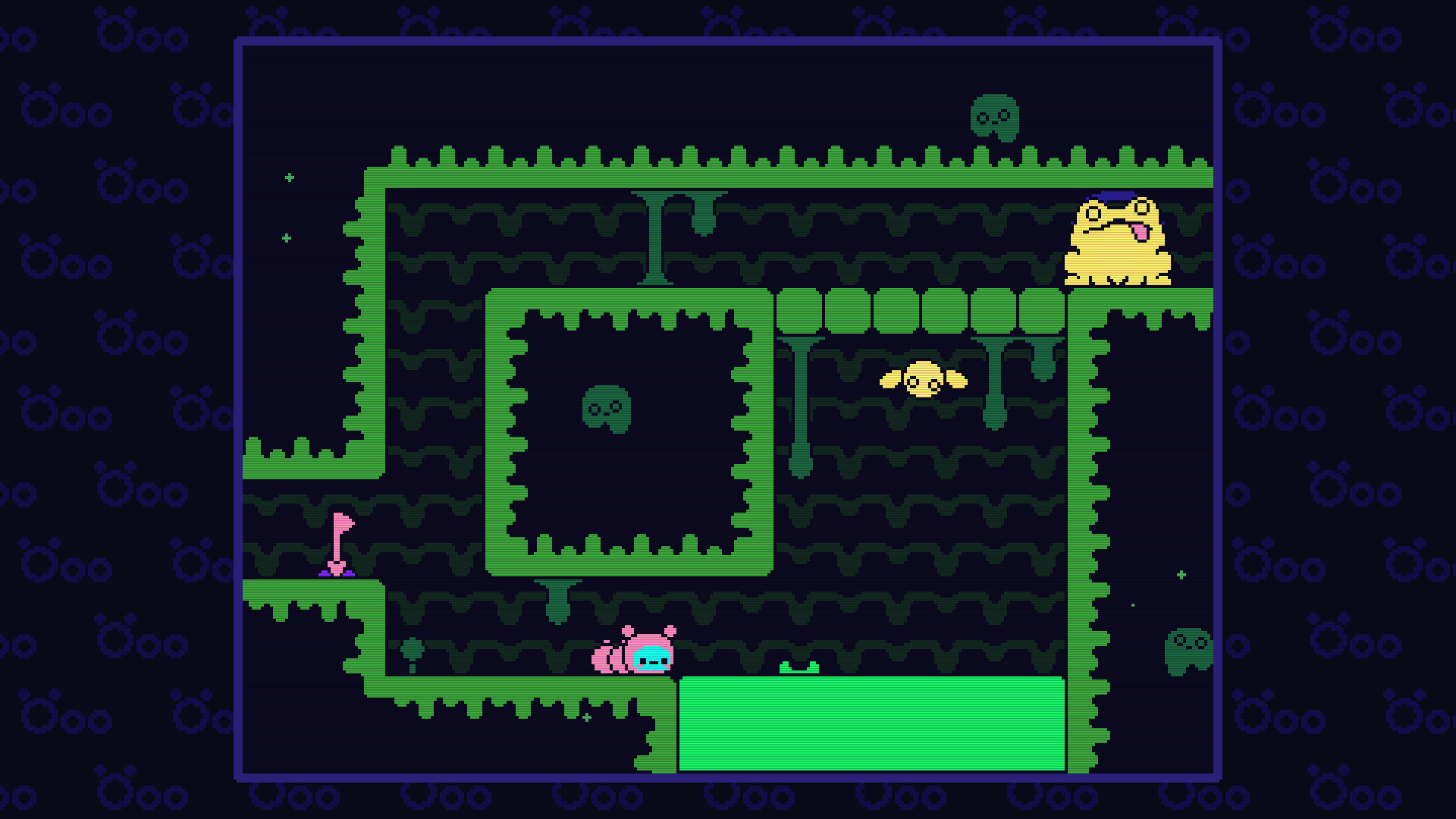
A Textless Puzzle Game
During my studies in Carnegie Mellon University, I took a game design course taught by Jesse Schell, and one of the assigned readings was about wordless design.
That article immediately reminded me of a small but brilliant puzzle game: Öoo.
Öoo is a two-hour puzzle game where you control a cute creature exploring a dungeon. I strongly recommend playing it before reading further—the level design is exceptional, and much of its magic lies in discovery.
Let’s look at the tutorial area.
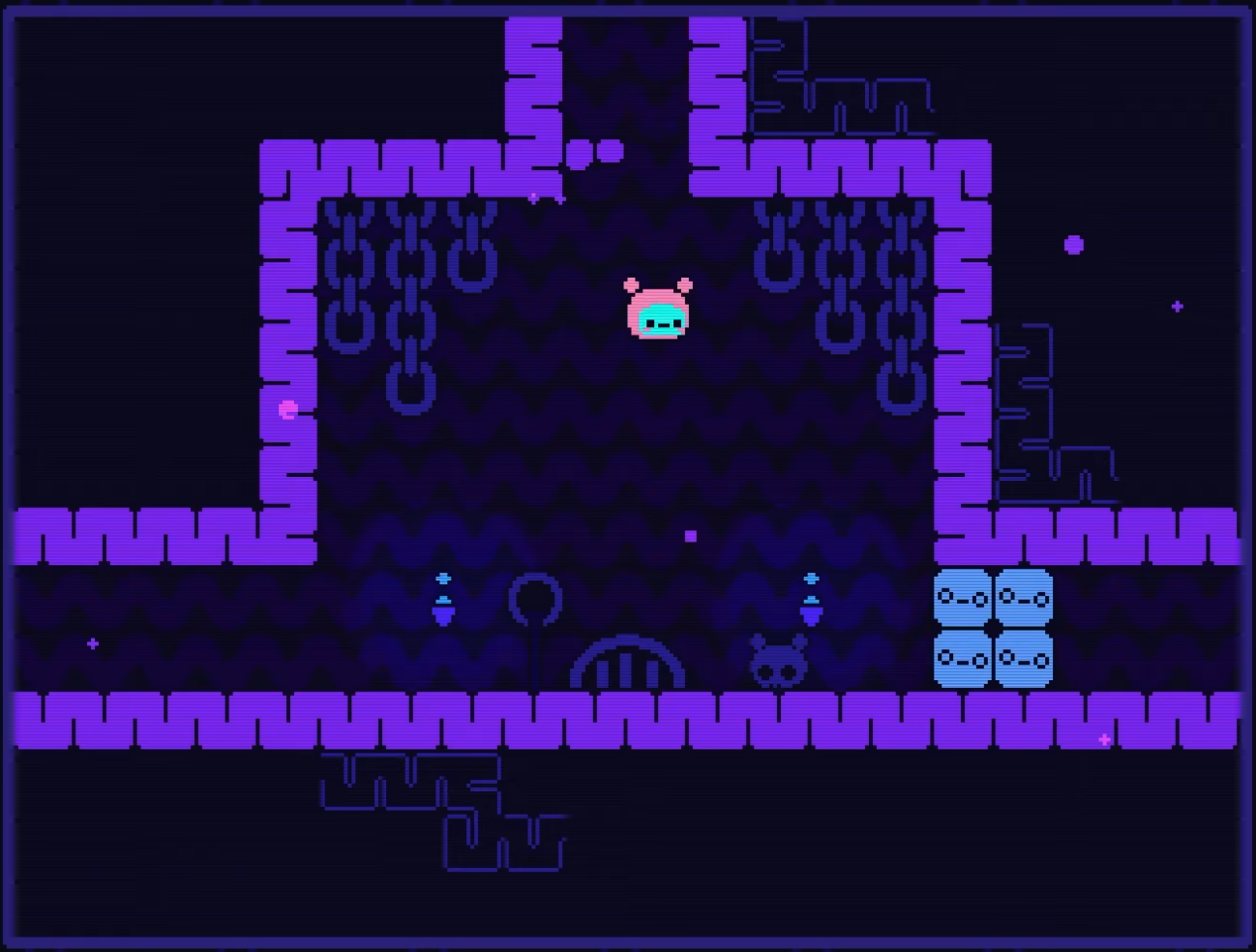
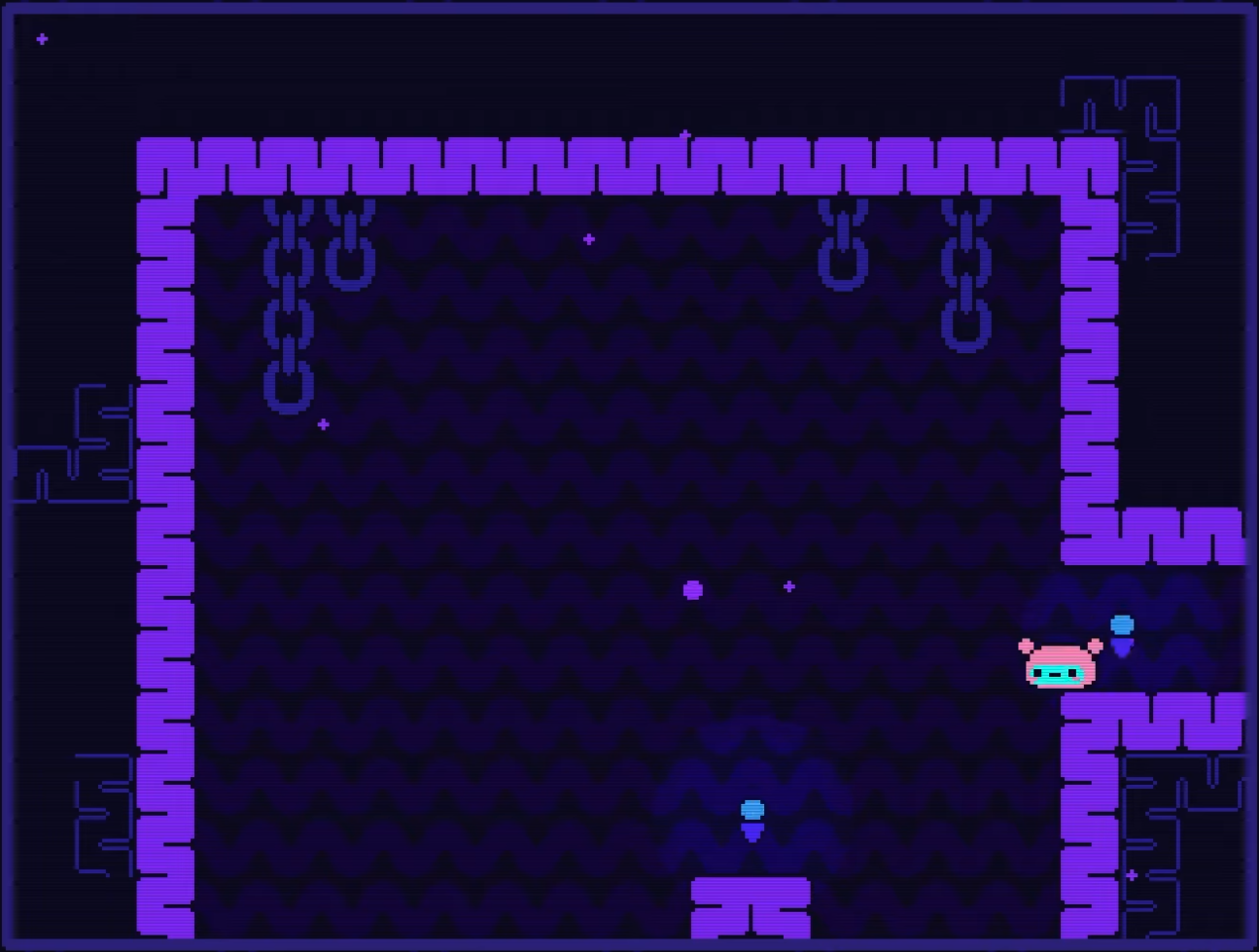
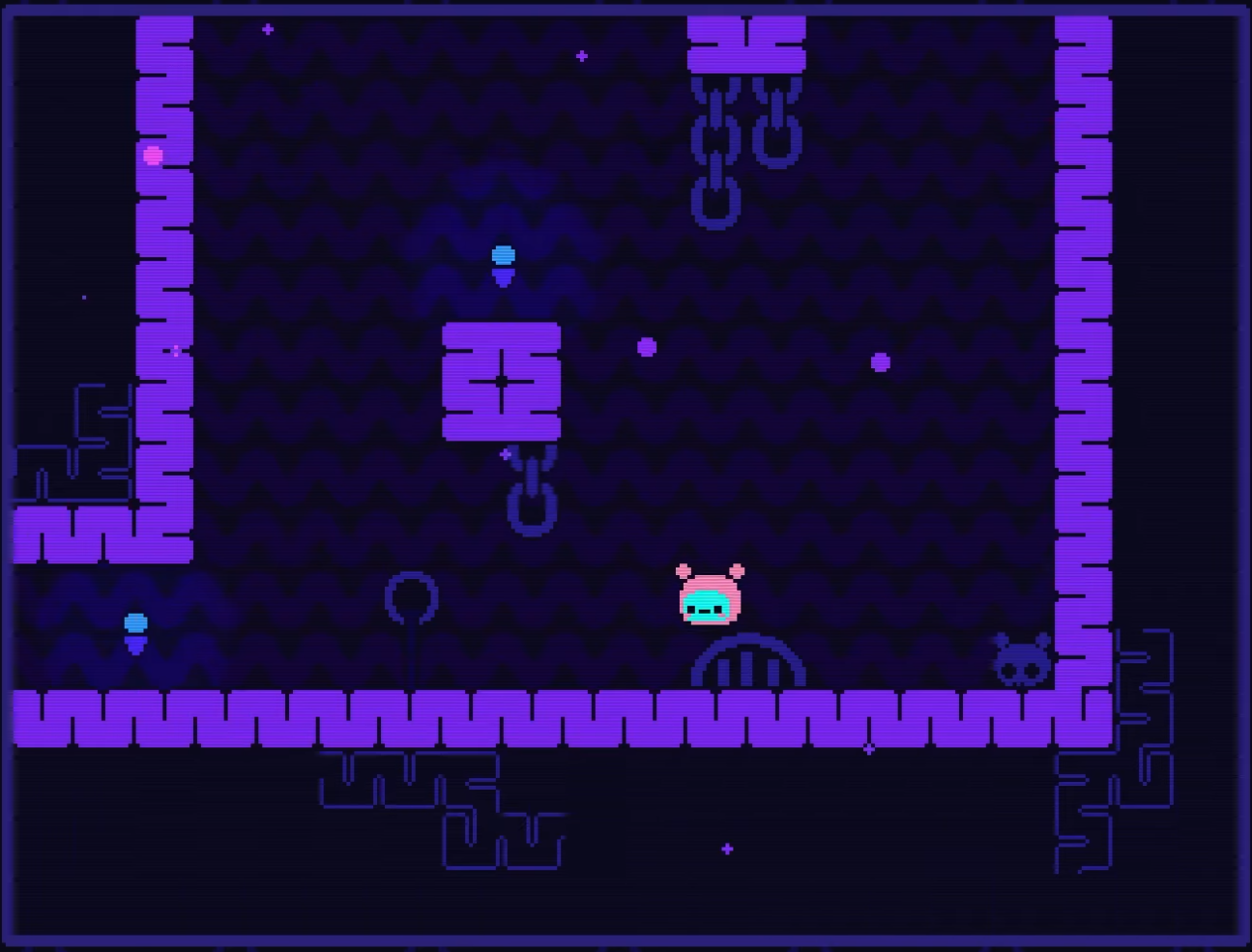
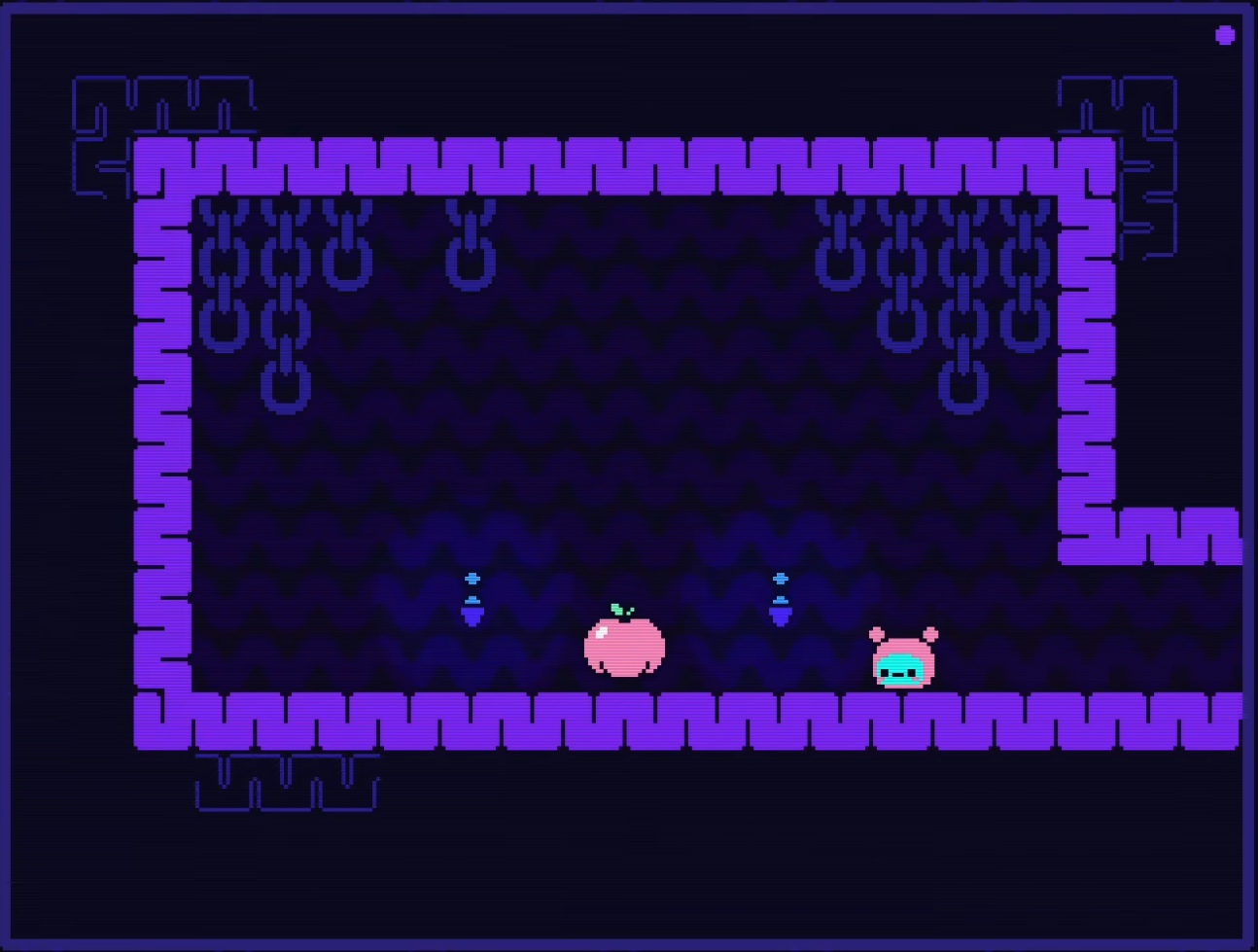
The first room leaves you unsure how to proceed to the right. Going left leads to a deep pit, and you have no choice but to drop down. Once you fall, there’s no way back up, so you continue left. Eventually, you touch a fruit and unlock the game’s core ability: bombs.
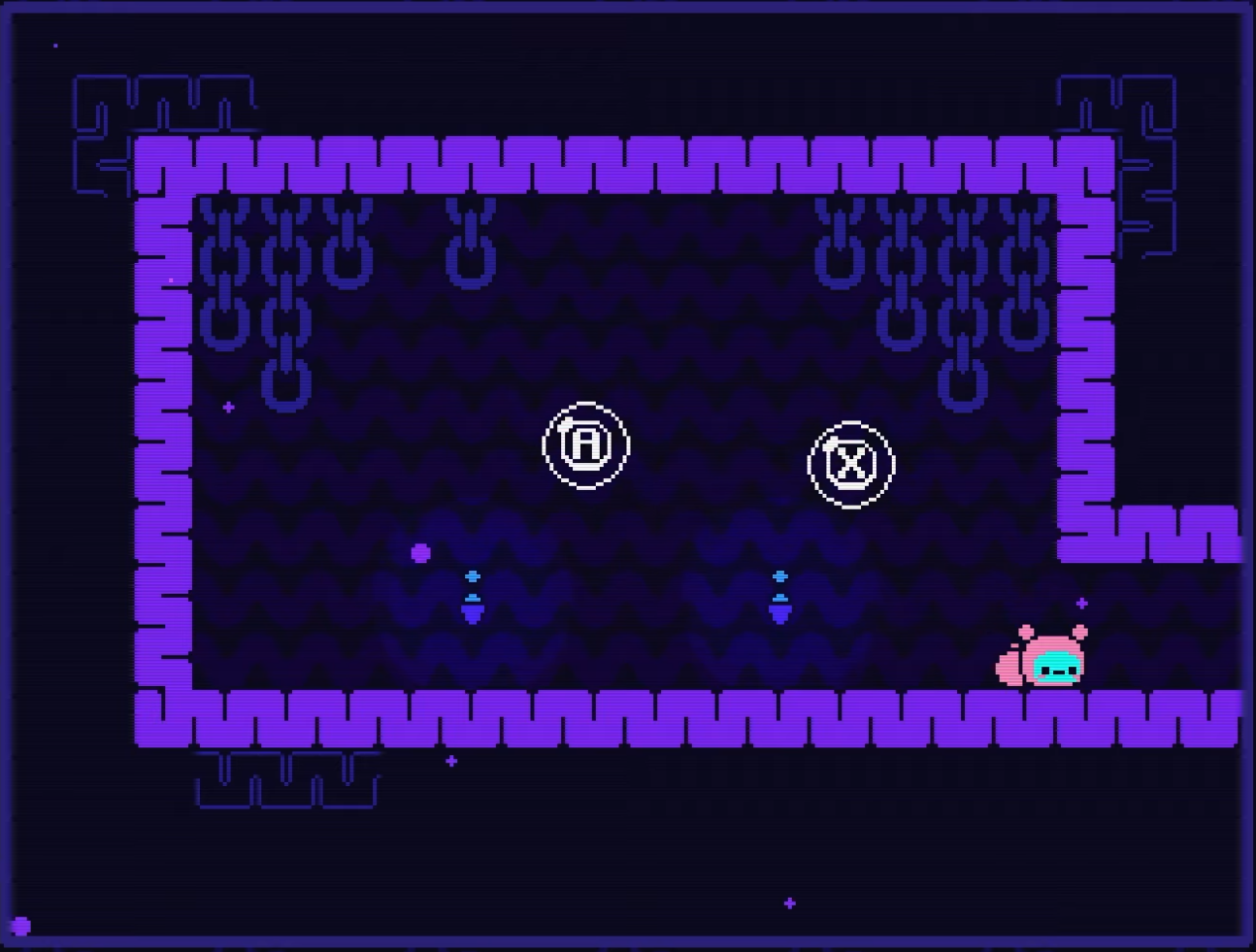
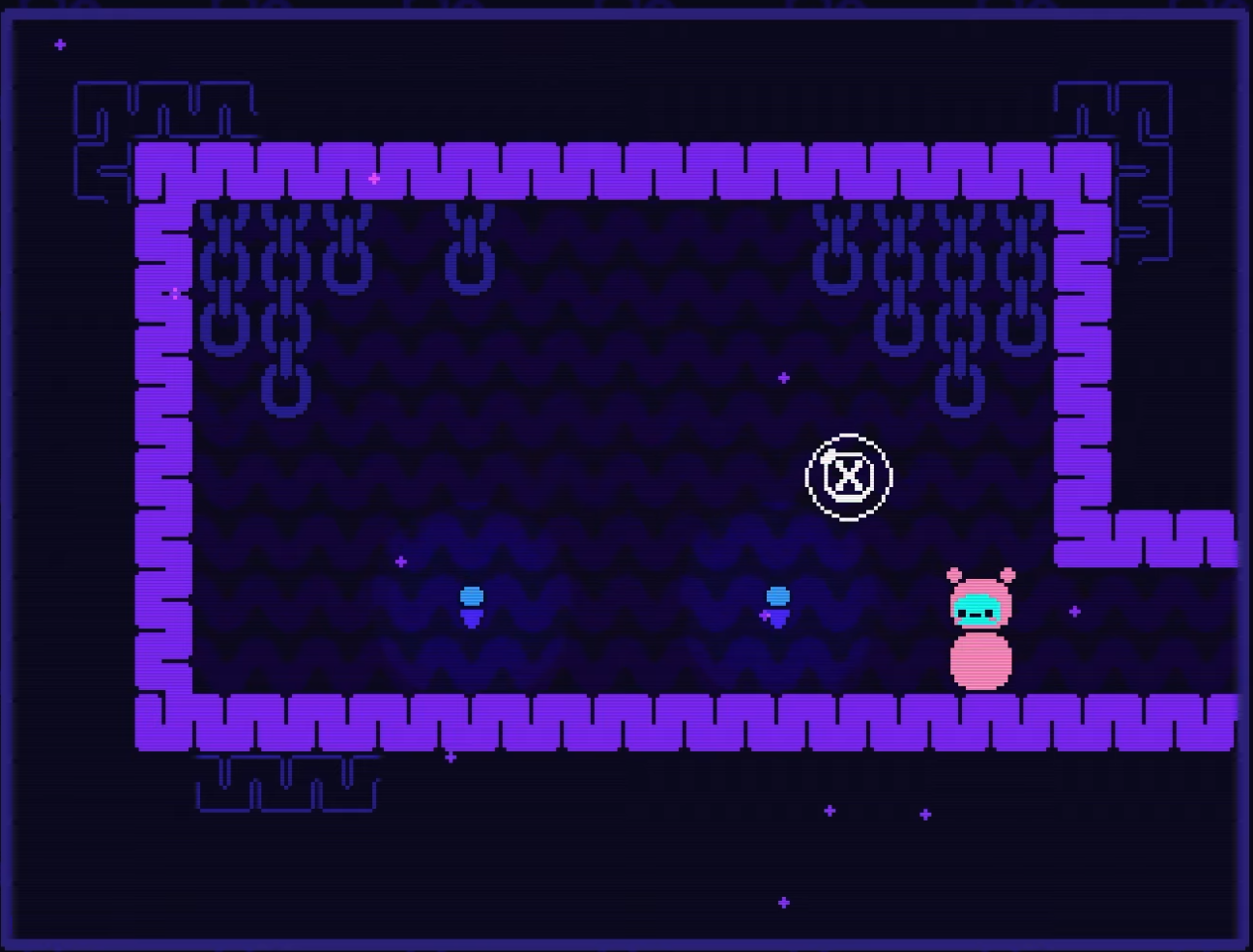
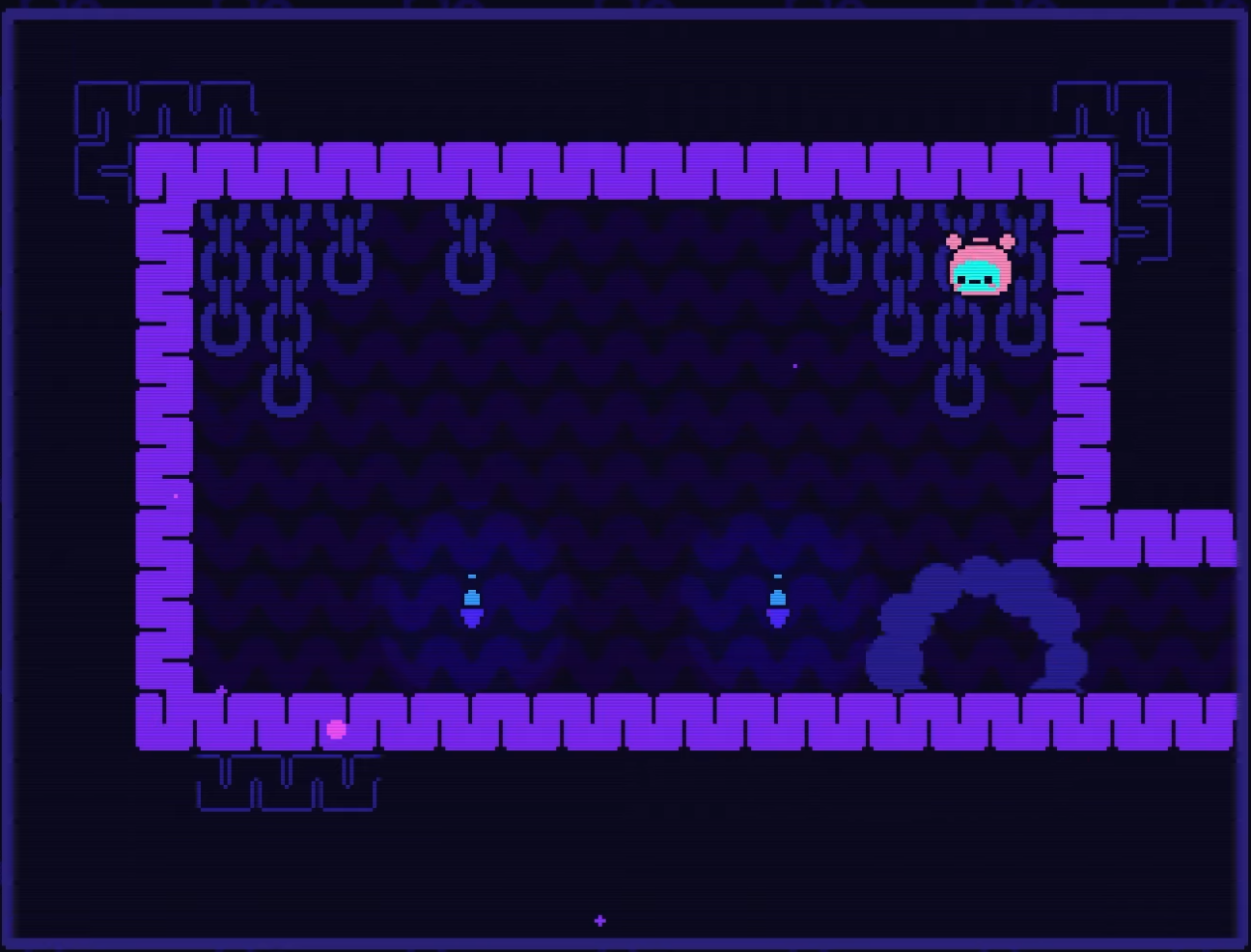
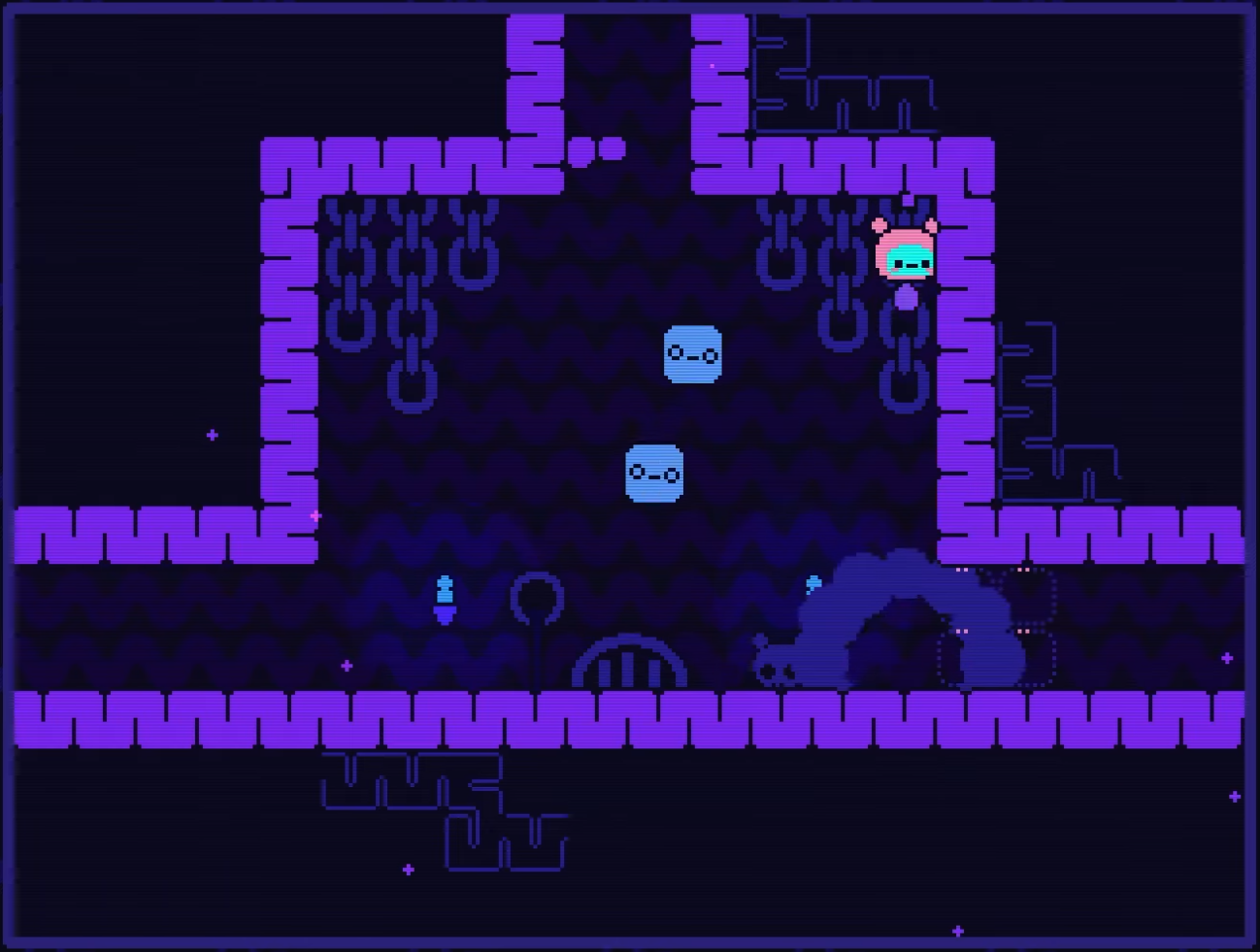
The game then teaches you the controls — press A to place a bomb, press X to detonate it. If you follow the tutorial, you will be standing on a bomb, and the explosion will launches you upward. Now, you understand how to perform a bomb jump, you can finally go back up to where you start. Since it is a bomb, it is clearly that it definitely can destroy obstacles.
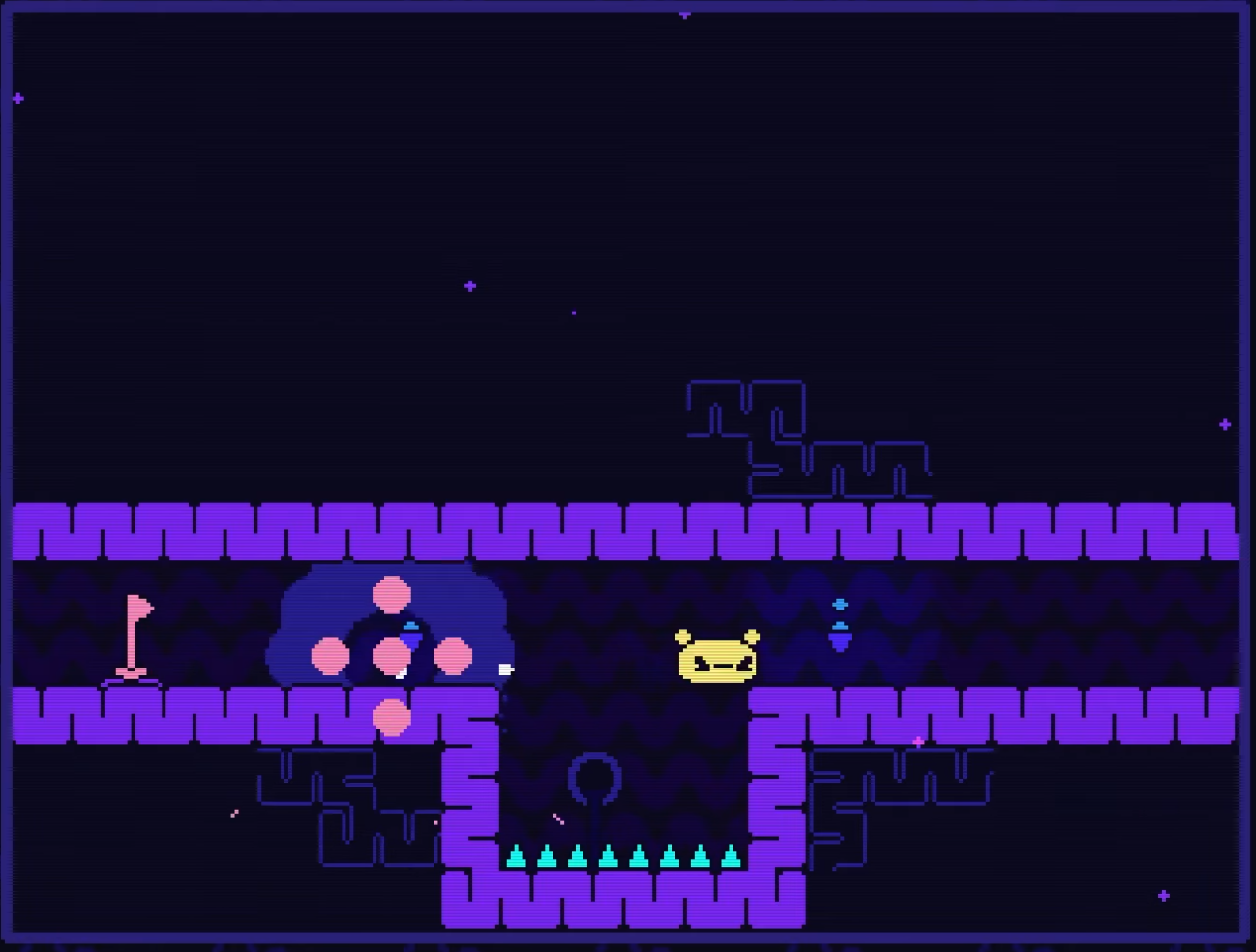
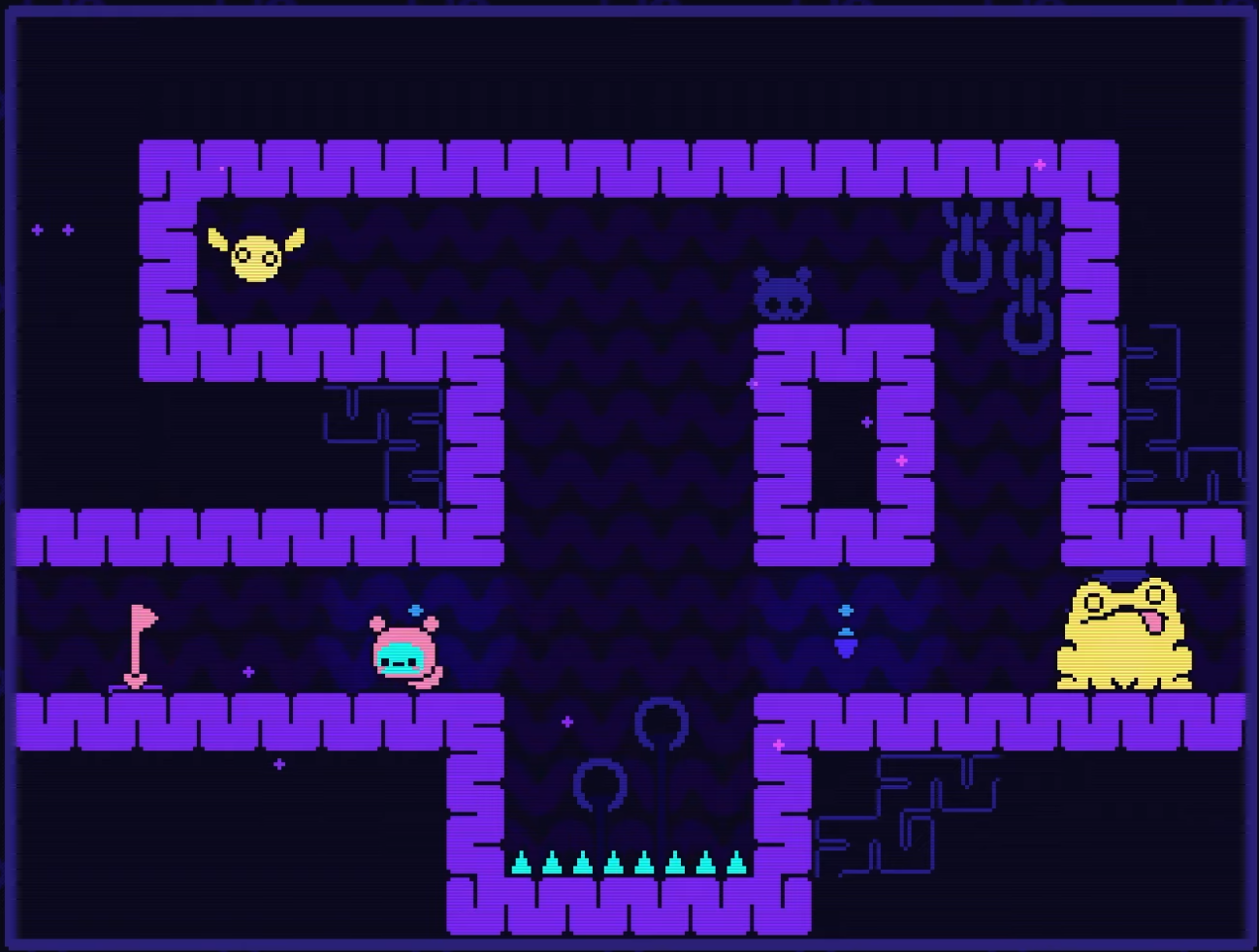
Later in two rooms above, you learn:
- Placing a bomb beside a pit can push you across.
- Feeding an insect to a frog allows you to pass.
This is how Öoo teaches mechanics: through constraint. By limiting where players can go, the game lets them discover what each mechanic can achieve. Throughout the game, Öoo communicates entirely through level design, and it’s masterful.
But today, I want to focus on a specific concept within the game:
The knowledge gate.
A Door That Is Not Locked, Yet Locked
A knowledge gate is exactly what the title suggests: a door that isn’t technically locked, but might as well be. The players are able to open it from the very beginning, but what they lack is understanding. The key is knowledge.
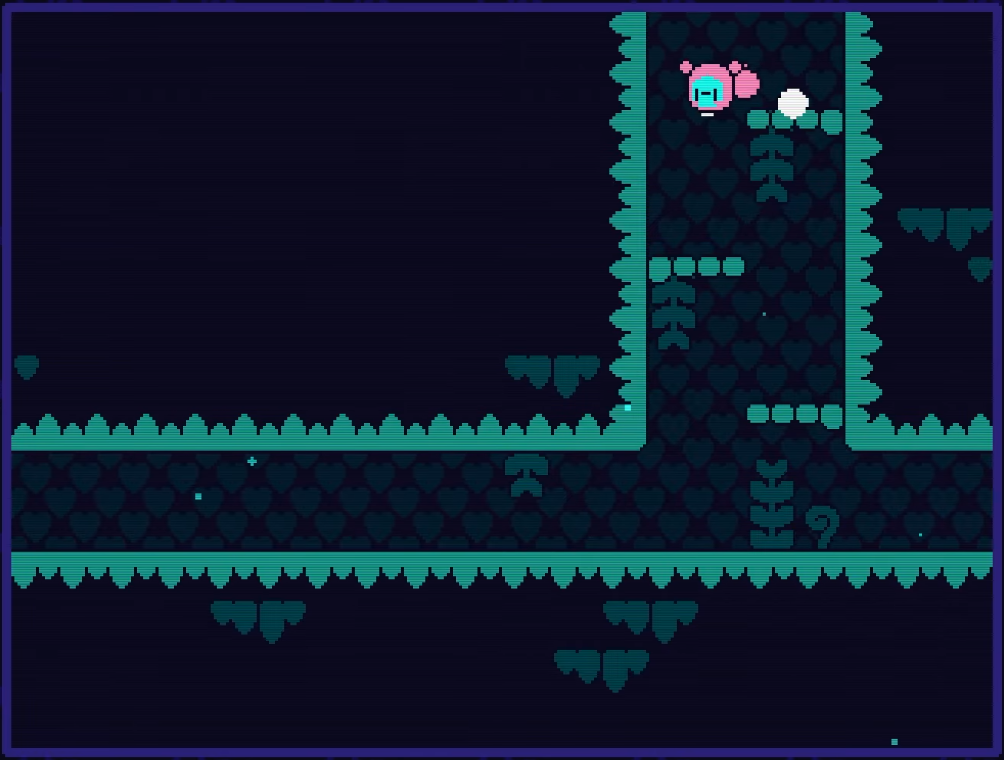
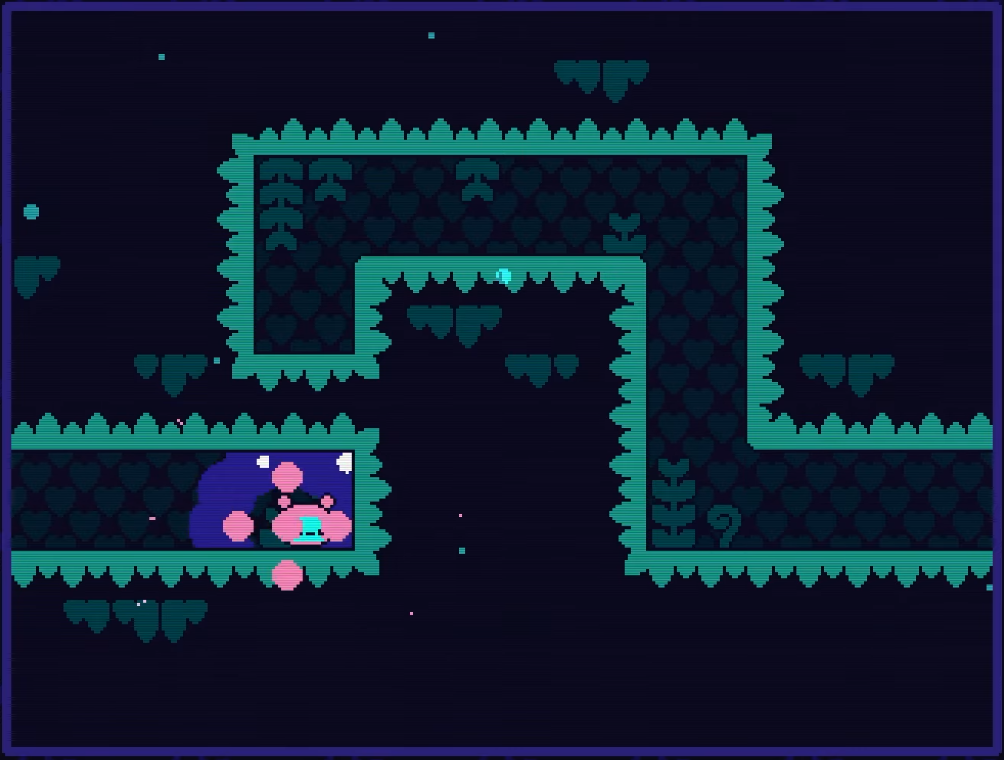
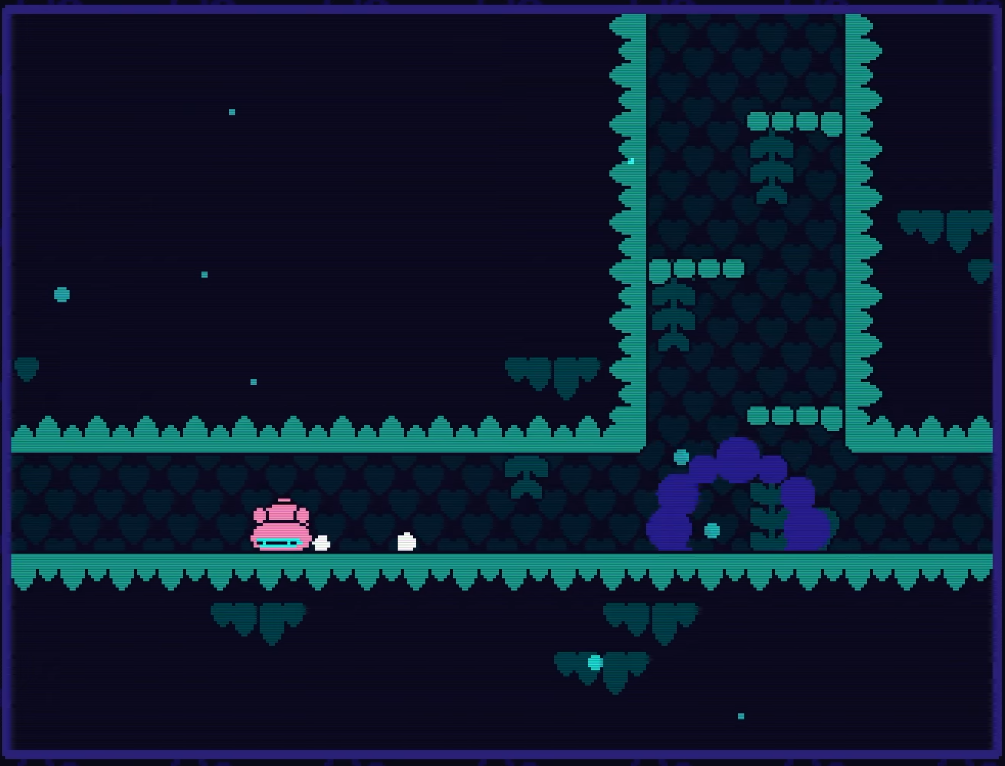
In Area 3 of Öoo, you encounter a crossroads. Going right leads to what appears to be a dead end. A hidden block sits above you, but your bomb cannot reach it from below. So naturally, you explore elsewhere. As you progress, the level gradually teaches you two critical pieces of knowledge:
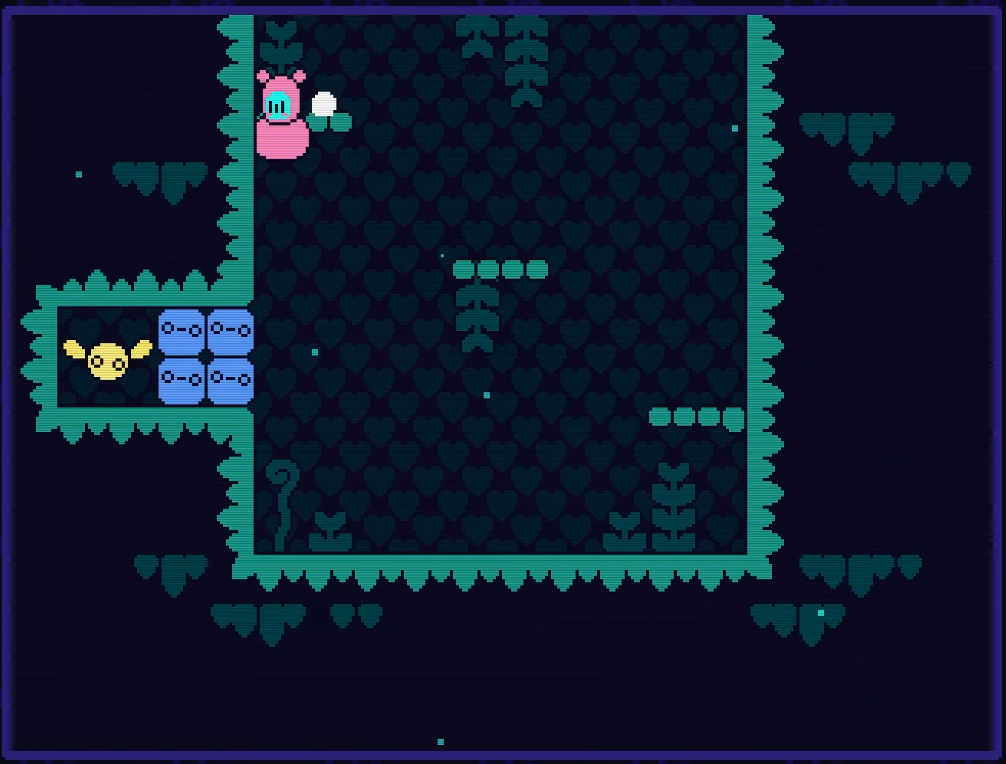
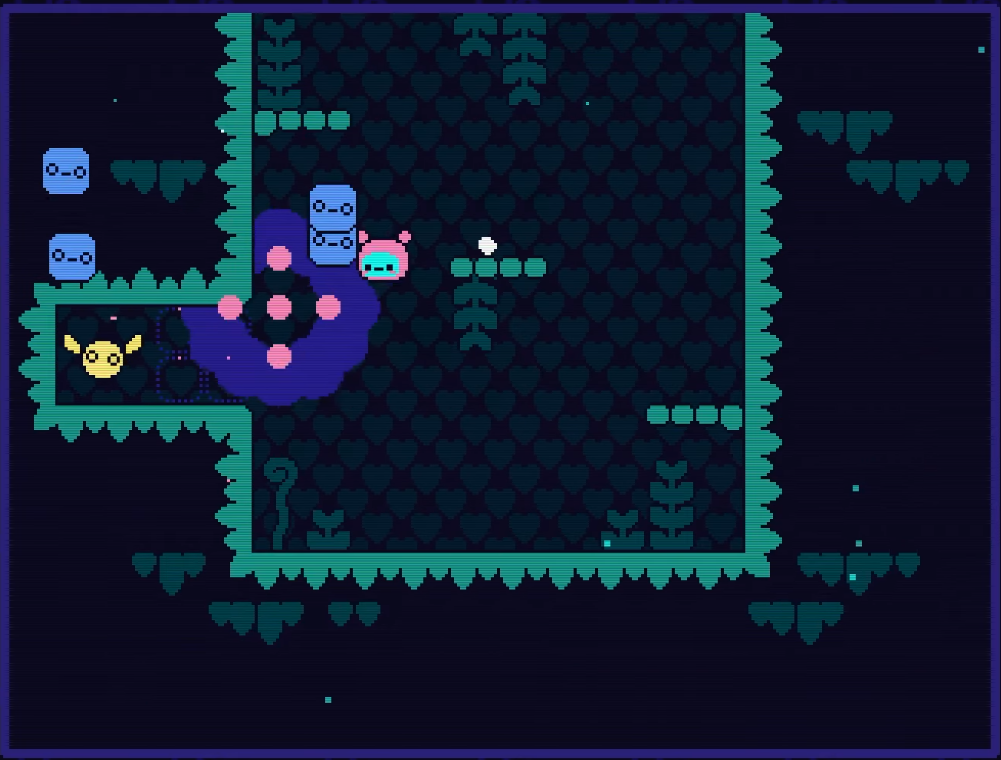
"Bombs placed on special platforms will pause briefly before dropping."
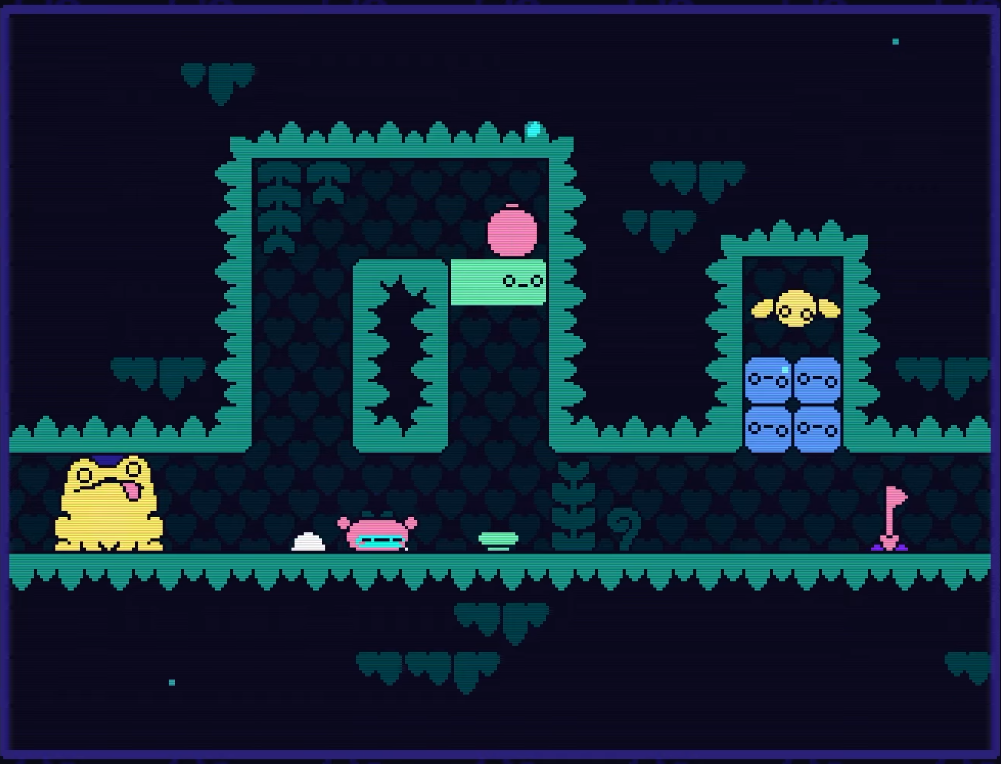
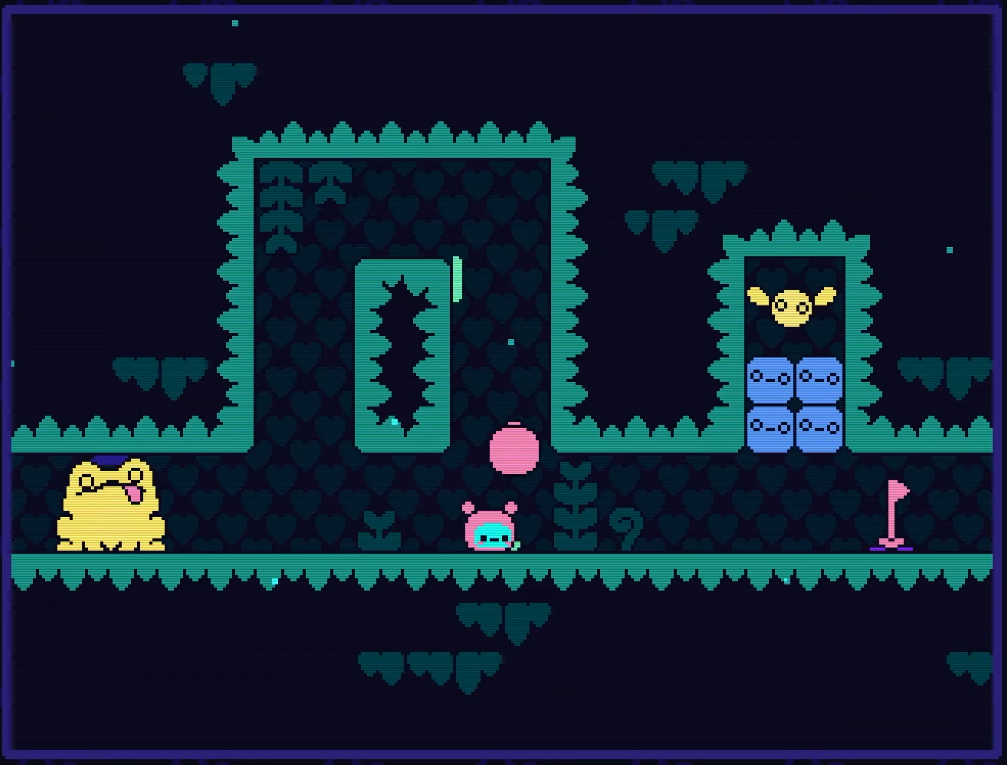
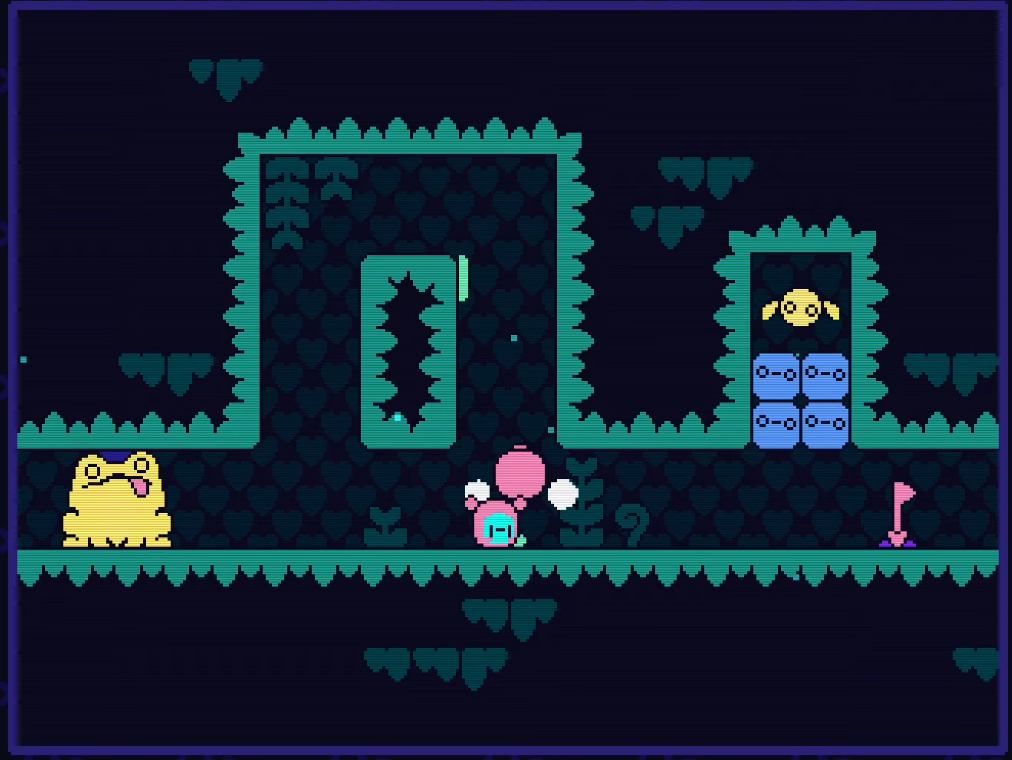
"Bombs can fall onto the player, allowing you to carry them."
Wait. Do you realize something? Individually, these knowledges seem harmless, but what if we combine those two knowledges?
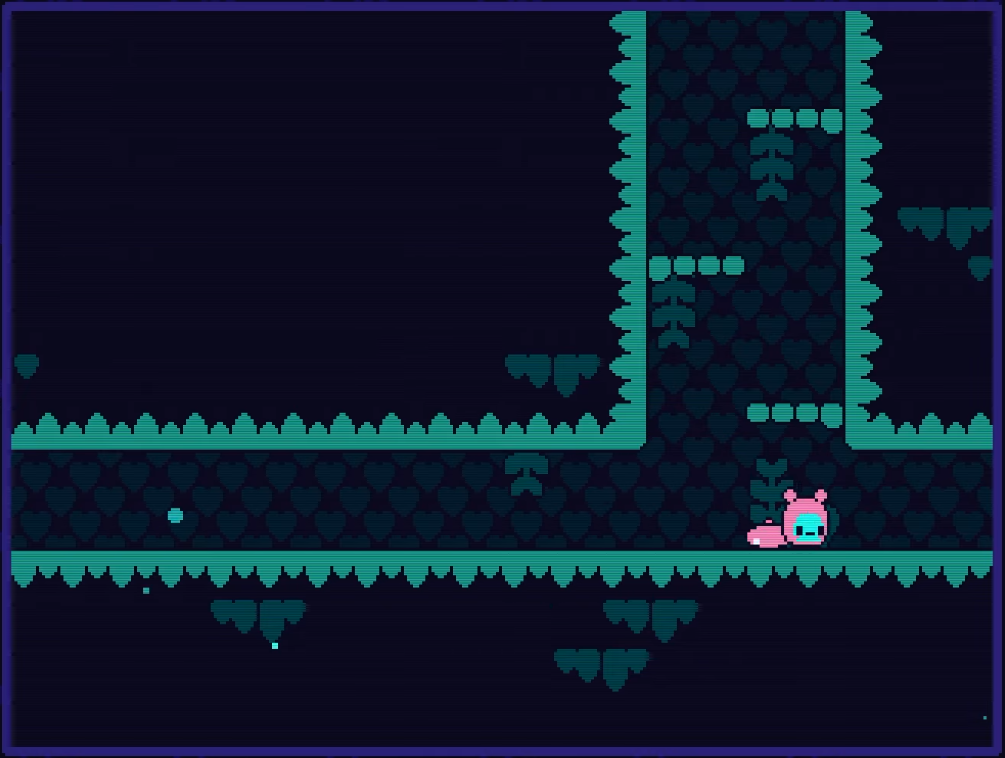
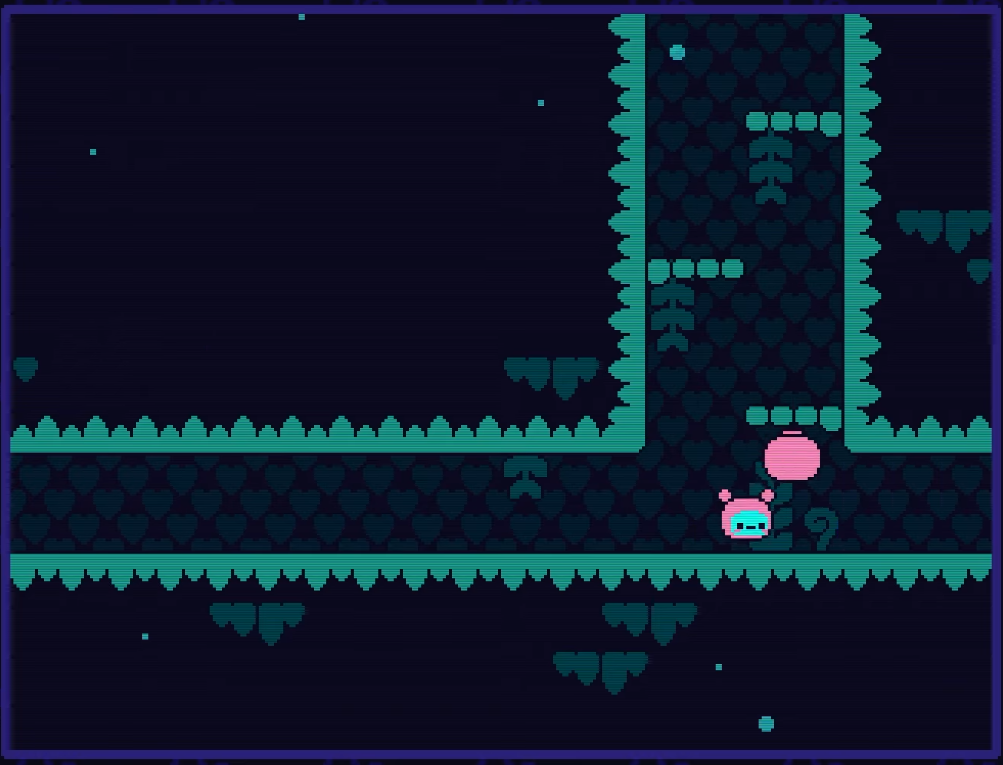
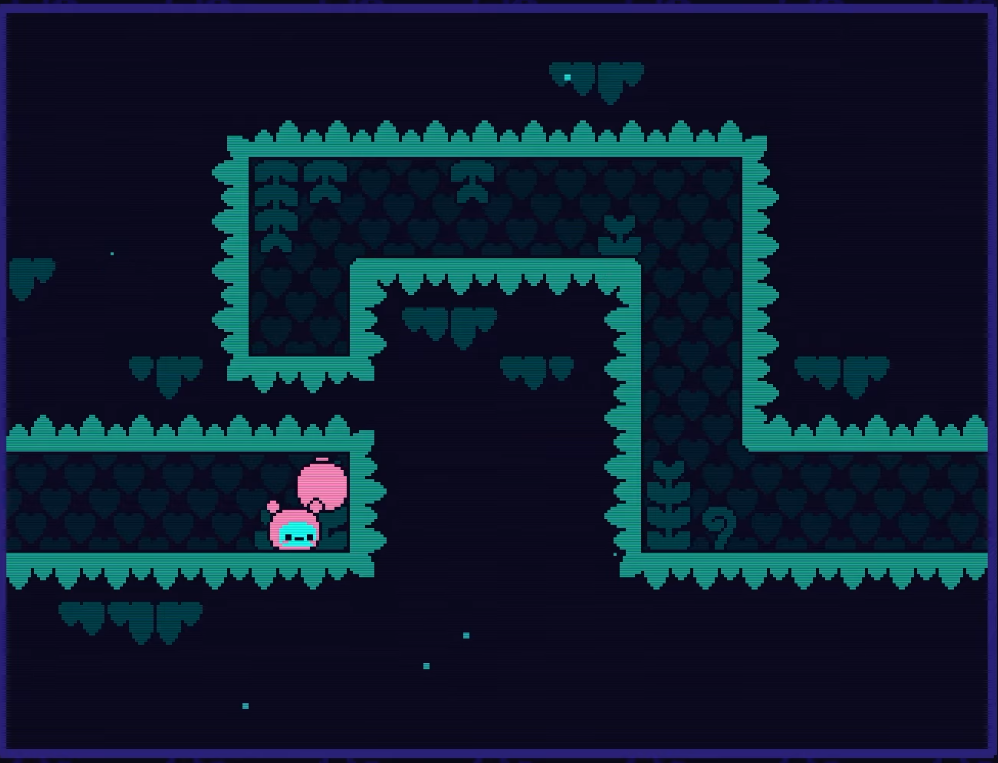
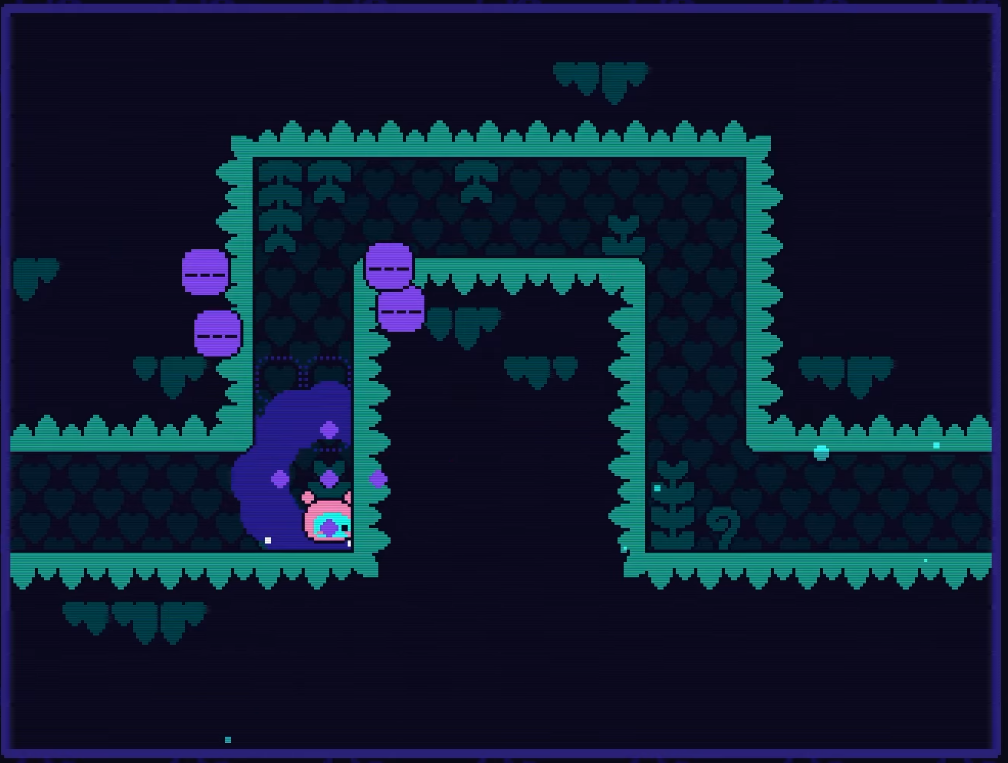
You return to the original crossroads. You place a bomb on the special platform, and let it fall onto you. Then, you carry it into position, and detonate to break the hidden wall breaks. The gate is opened and you can progress to next area then.
Let's think about this. Since you now know the knowledge, if you replay this game, can’t you just go right at the start of this area and use the knowledges to pass?
Indeed, the gate was never locked. You simply didn’t know how to open it.
That’s a knowledge gate.
The First Time Human Was Gated
Knowledge gates aren’t new, but onlyt get relatively pupolar last decade.
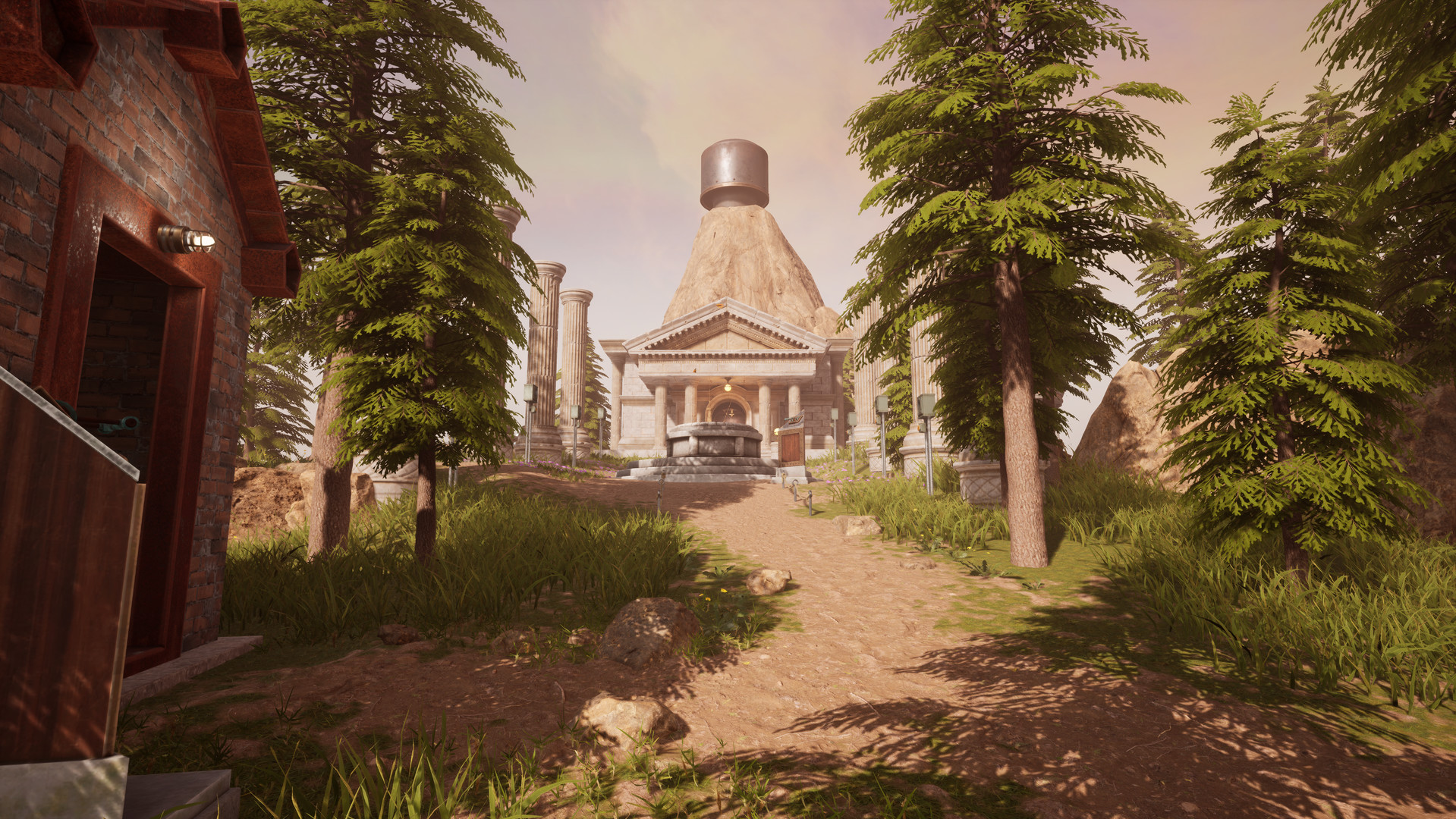
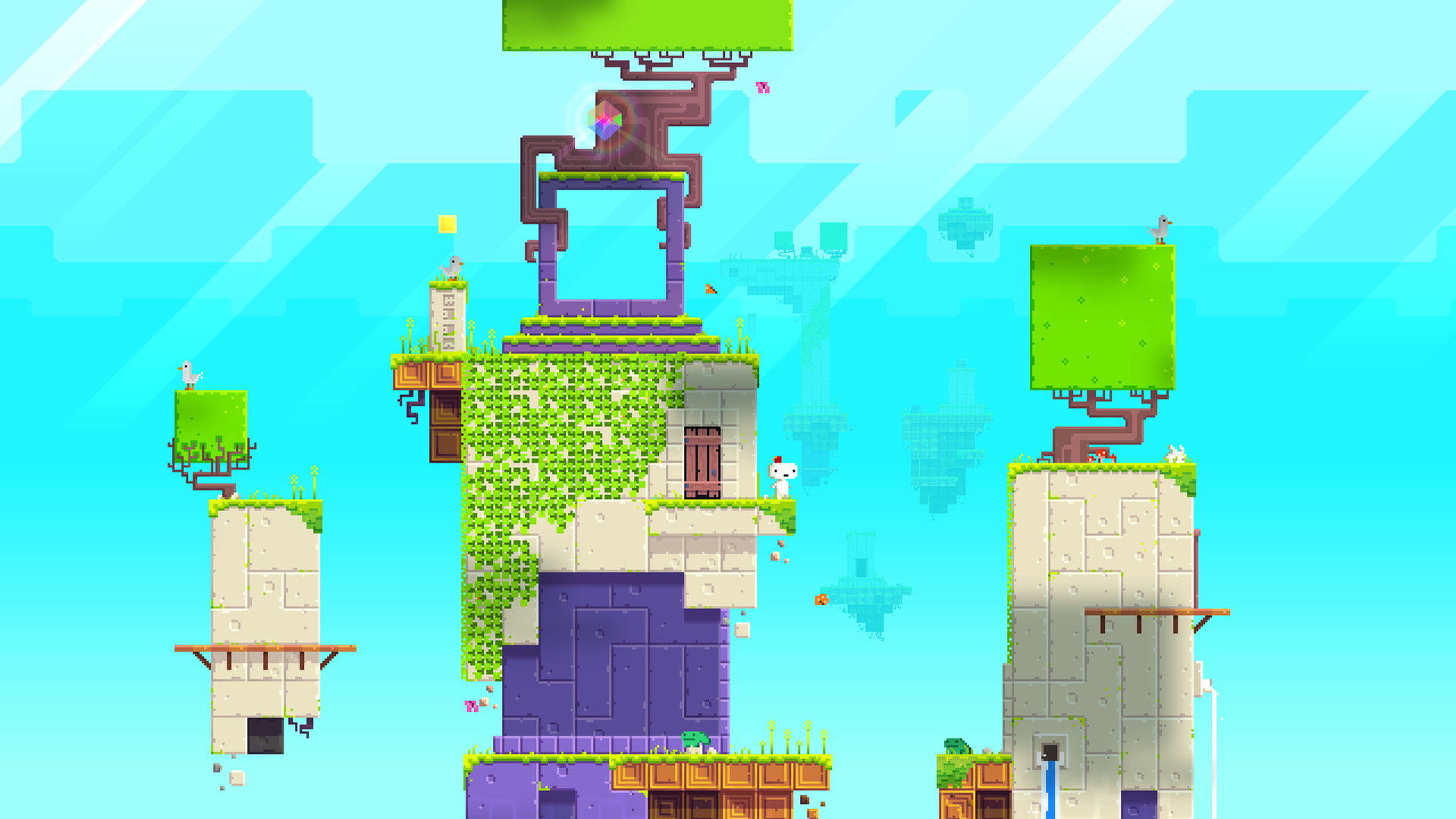
The first knowledge gate was considered be bulit in Myst from 1993. There are some games in between, but it wasn't until Fez came out, people started to make games built around the idea of knowledge gate. In 2019, knowledge gate finally gained mainstream recognition through Outer Wilds.

In Outer Wilds, progression is entirely knowledge-based, containing tons of knowledge gates. You don’t gain items or abilities. You gain understanding. Certain areas are technically accessible at any time as long as you have those knowledge. Outer Wilds proved how powerful and fun knowledge gates could be, and since Outer Wilds considered one of the best indie game in the world, there is no reason developers won’t also try to make some gates in their games. My personal opinion is that, Outer Wilds may not be the first, but it proved that how awesome knowledge gates could be. Players have used the term “Metroidbrainia” to describe these knowledge gates game. A metroidvania, but progression is gated by knowledge rather than items or abilities.
However, it is not those have knowledge gates in game are metroidbrainia. In fact, knowledge gate could be anywhere.

Her Story is a good example. It is a deductive game that have an abstract knowledge gates. In the game, player can search the document videos, and based on the keyword, the search engine will show the first few video that has this keyword appear. During gameplay, players will try to use different keywords to check out different document videos. In the process of searching, some time players will have a spark of inspiration, think of a keywords that could lead a whole mystery to a new direction. In this situation, the keyword information is the key to open the knowledge gates.
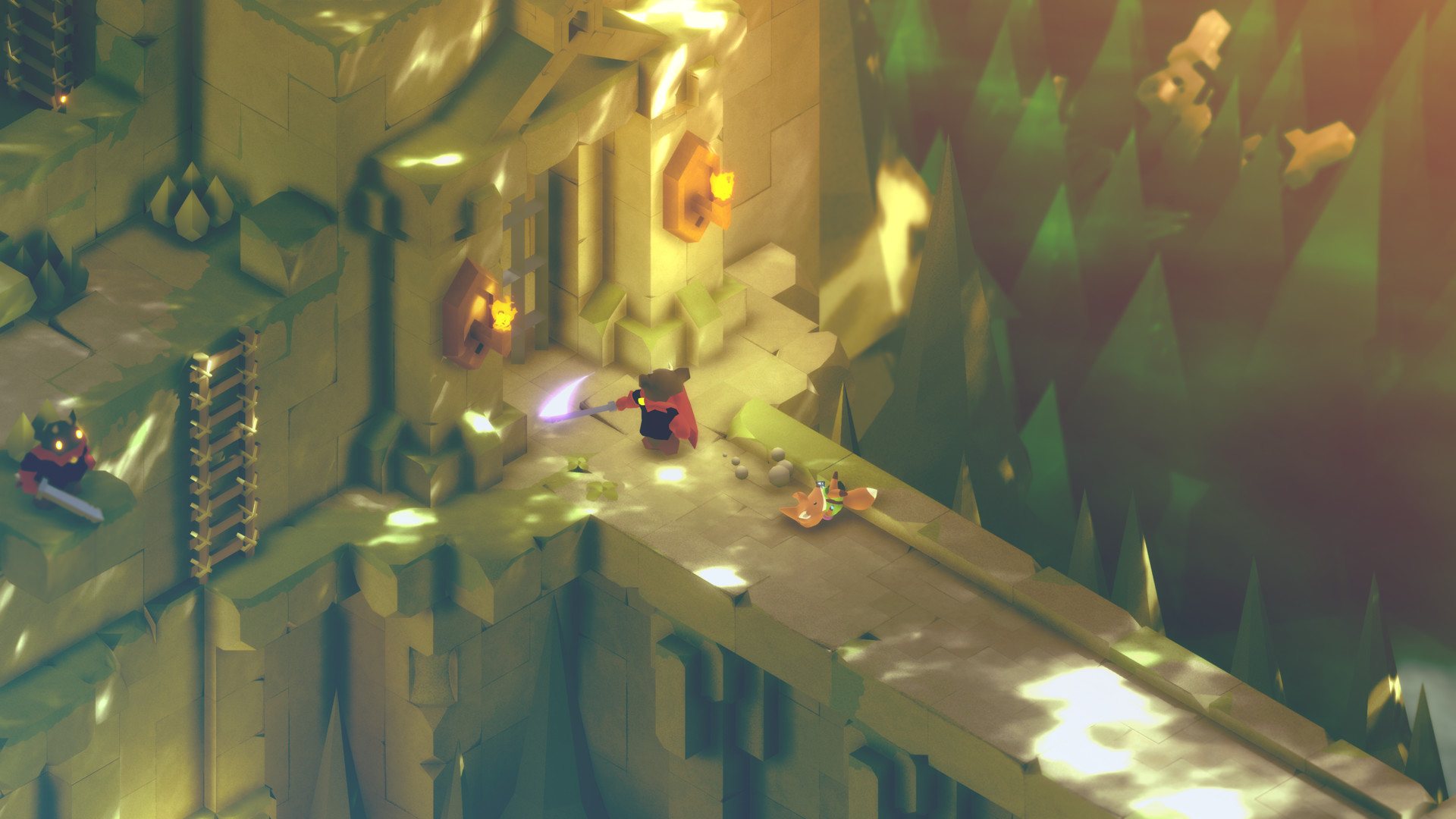
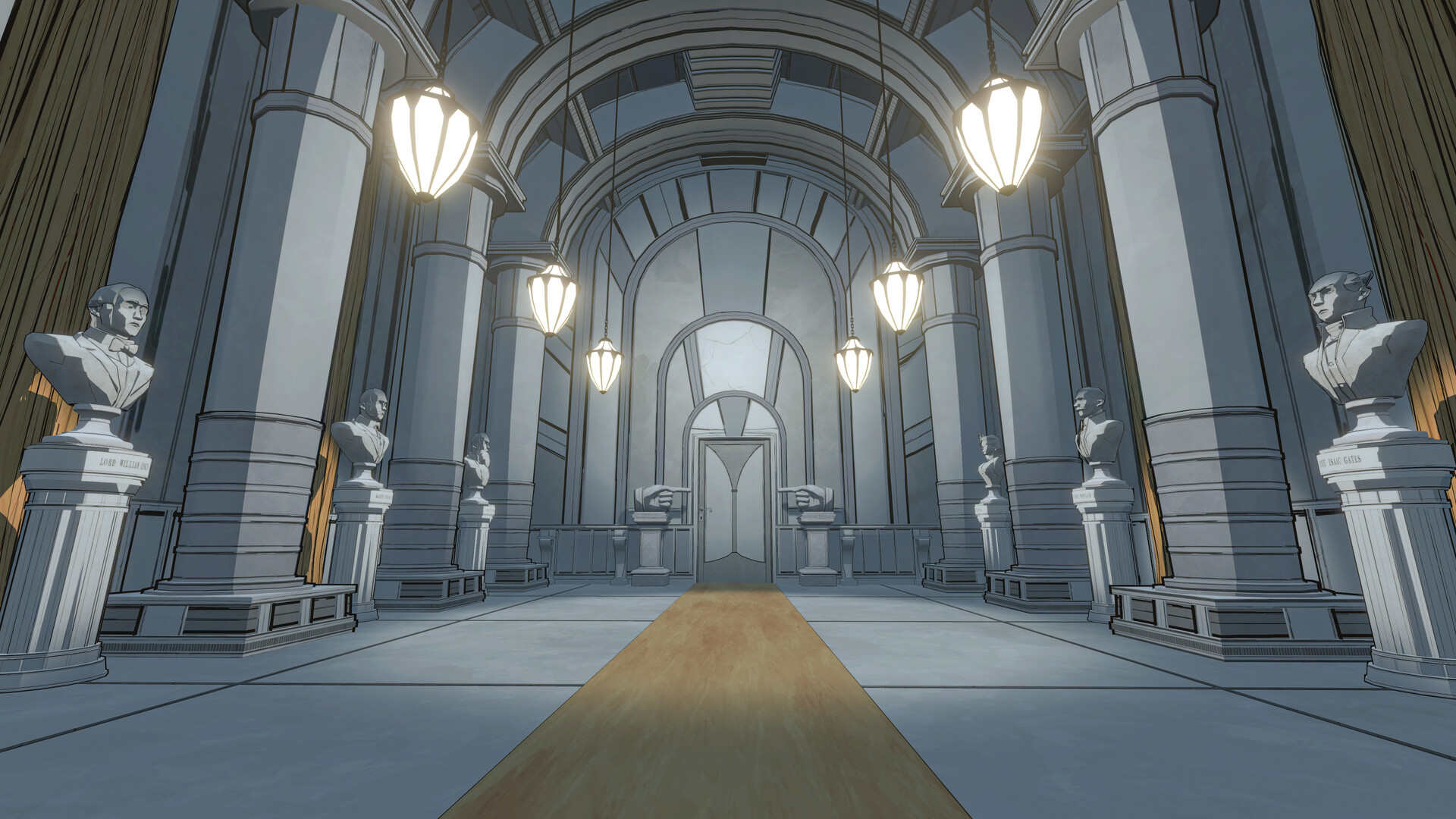
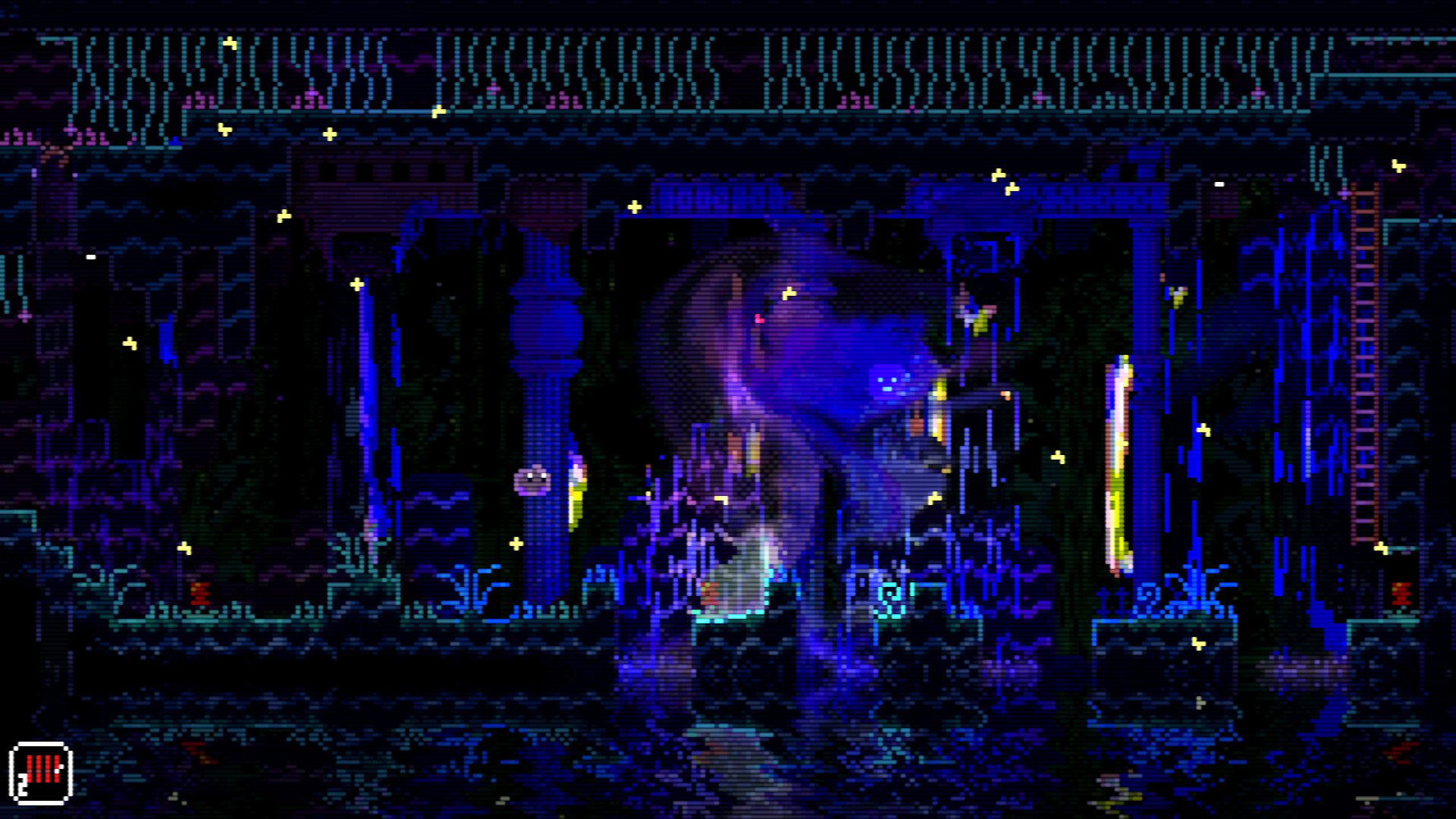
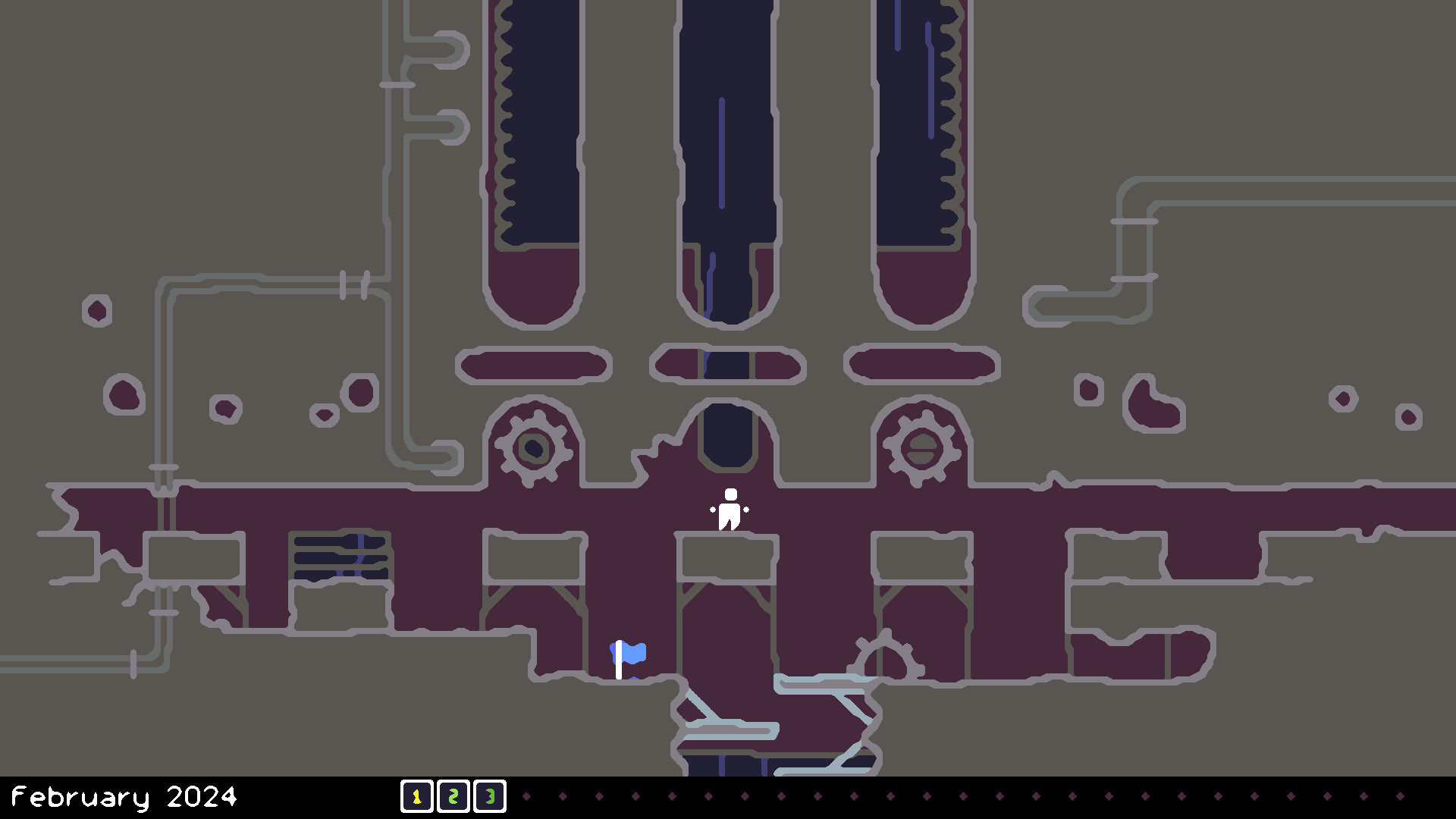
There are more and more can be told about, but we will focus on knowledge gate design for this article. Beside Outer Wilds and Öoo, some other famous games that centralize on knowledge gates are: Tunic, Blue Prince, Animal Well, Leap Year. Knowledge gates could be different in these games, and I will mainly consider knowledge gates on a spectrum from unreasonable/information to reasonable/application.
From Information to Application
On the left of the spectrum are information knowledge gate.
These gates usually will more likely to require specific hidden information — like a password or rule.
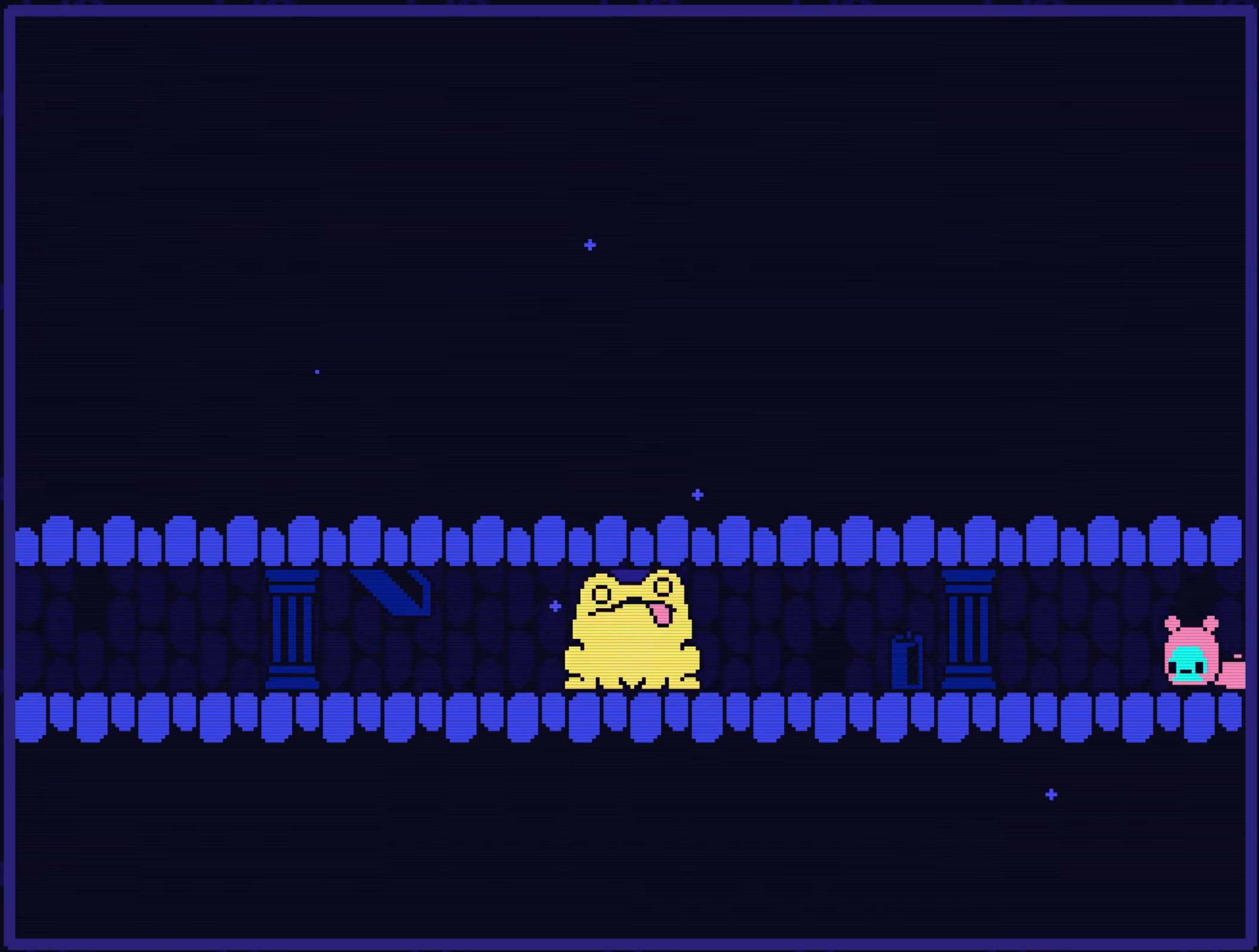
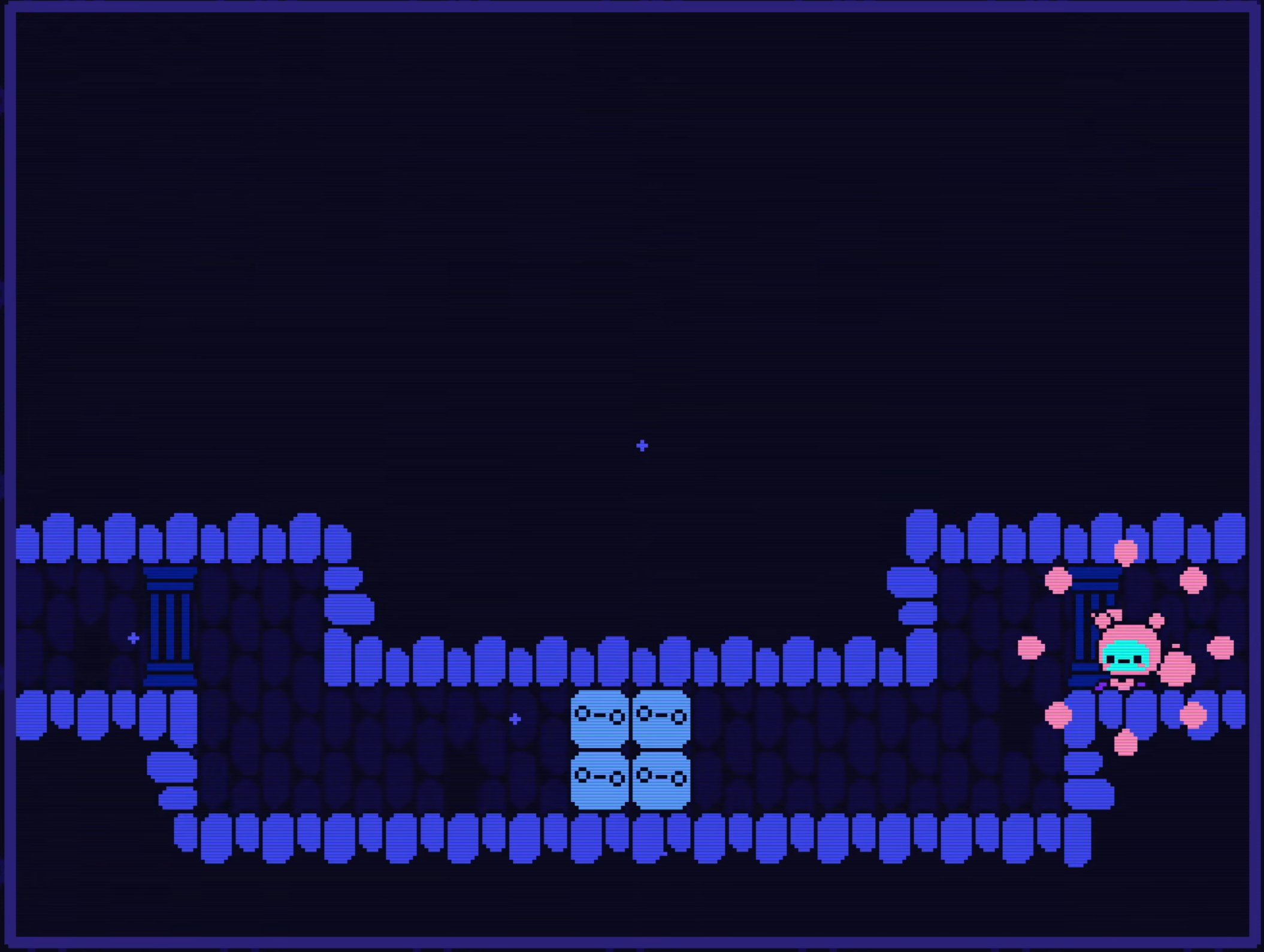
In Öoo, after you passing a U shape tunnel, you may encounter a frog blocking your path with no insect nearby.
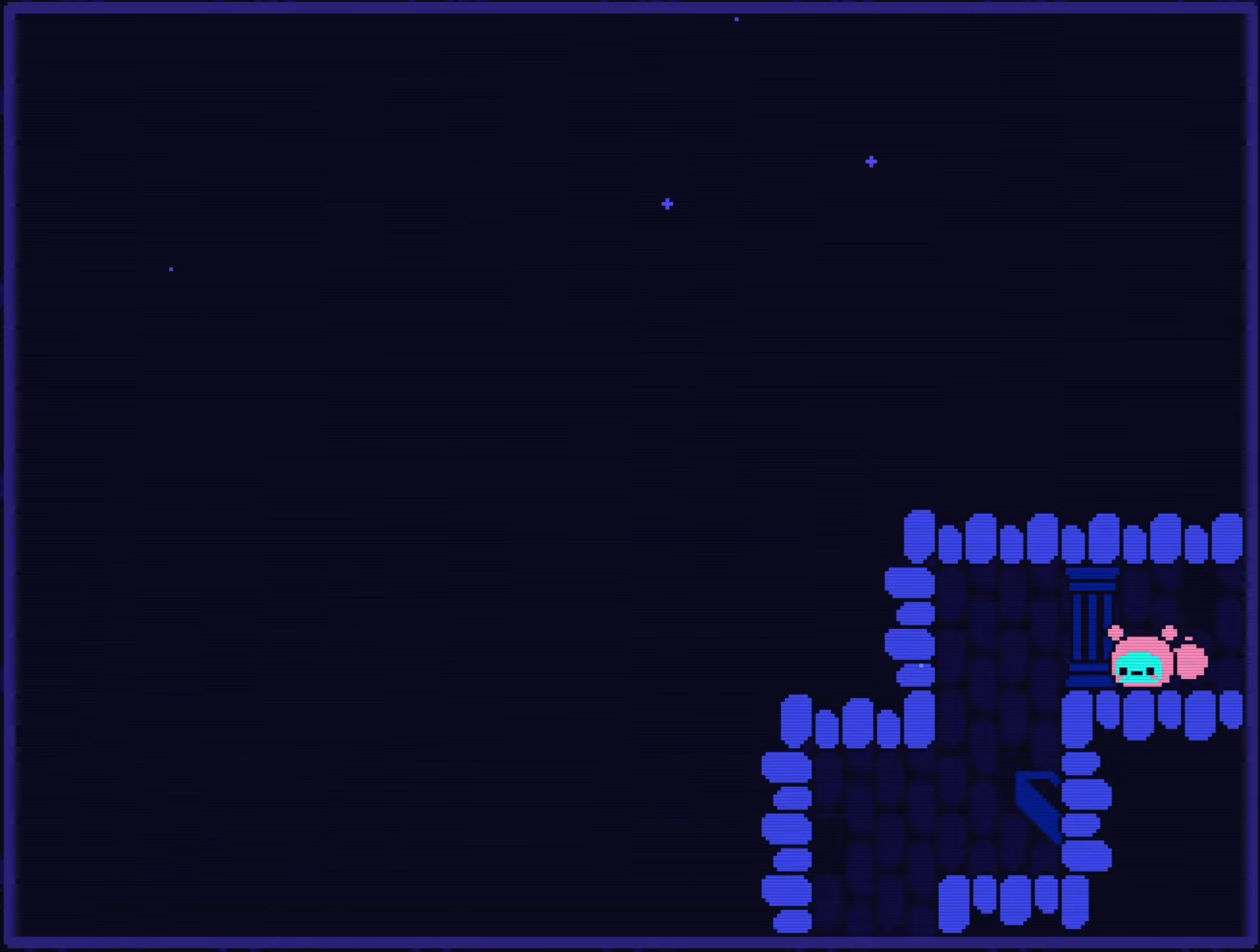
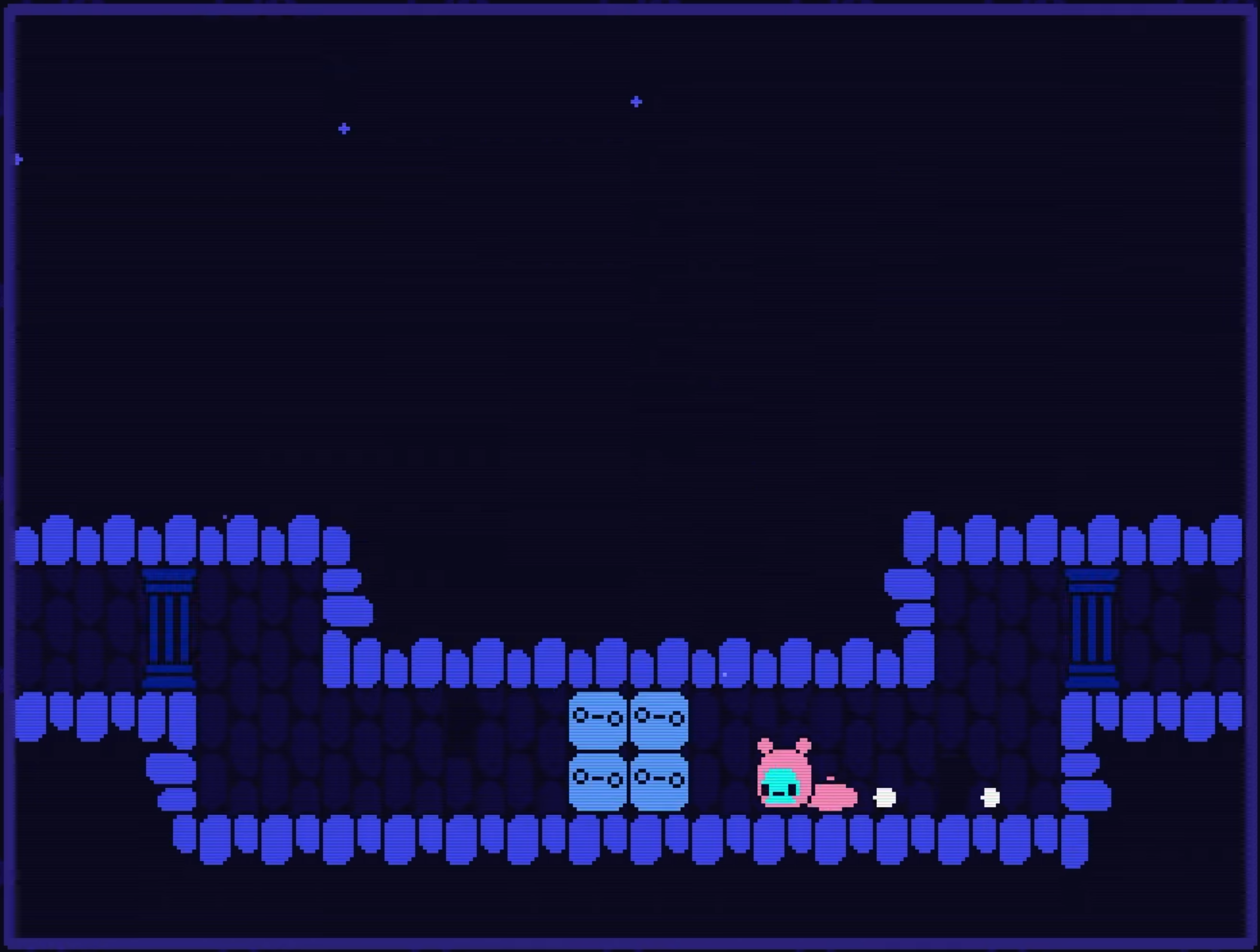
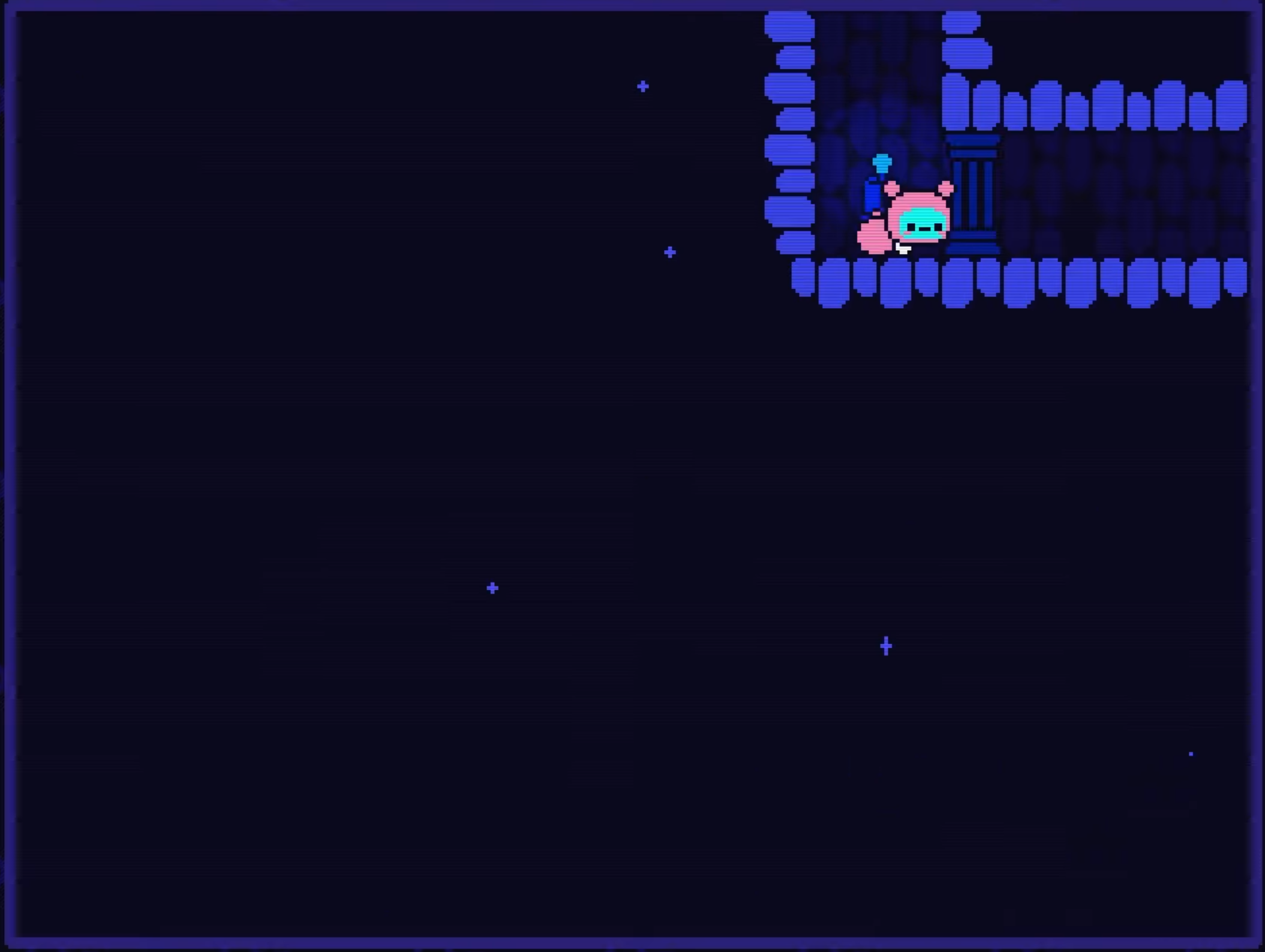
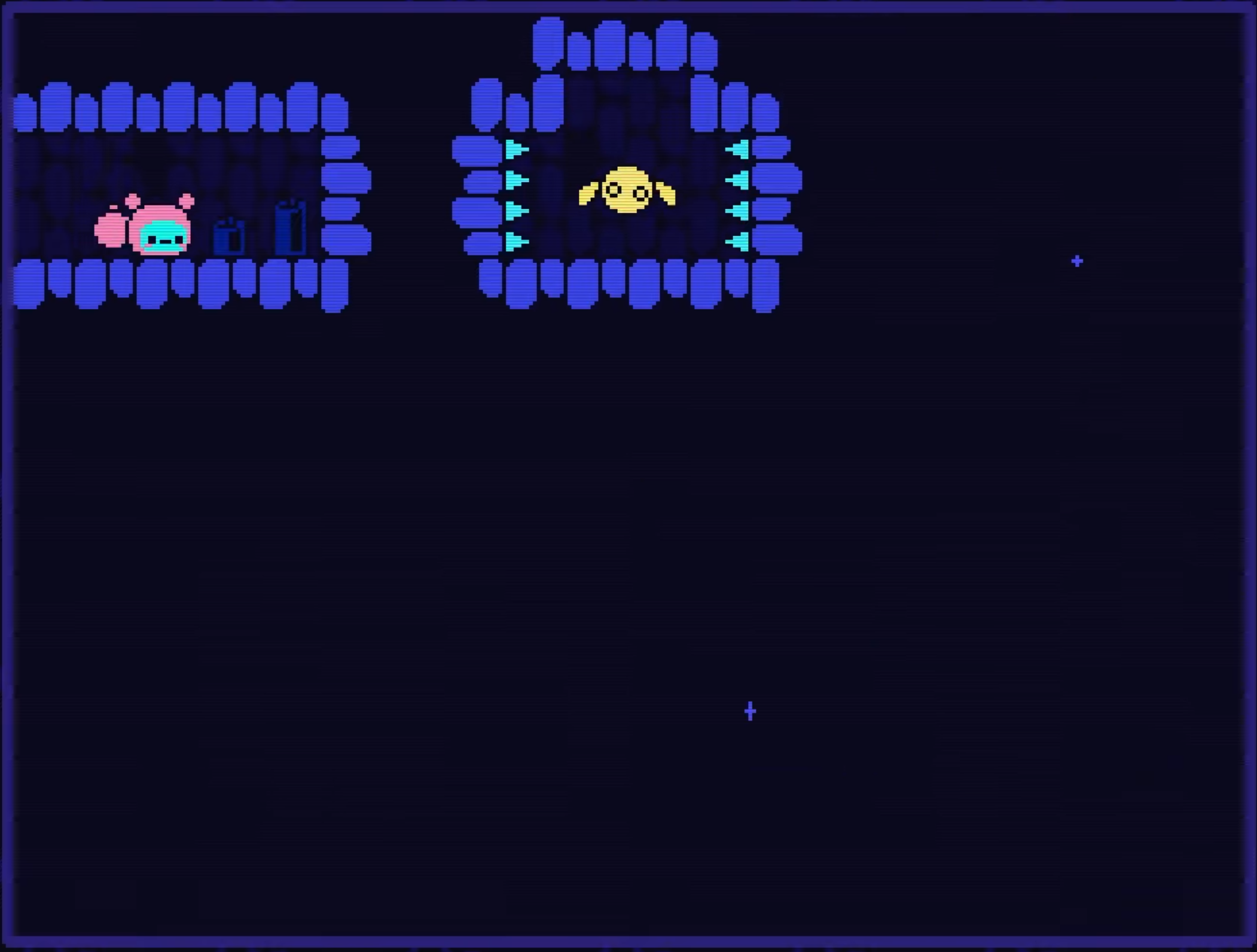
Later in the game, you will discover that this U shape tunnel layout will always have a hidden breakable wall. Once you recognize the pattern, earlier “impossible” rooms become solvable. In this case, the key is to recognize a visual rule.
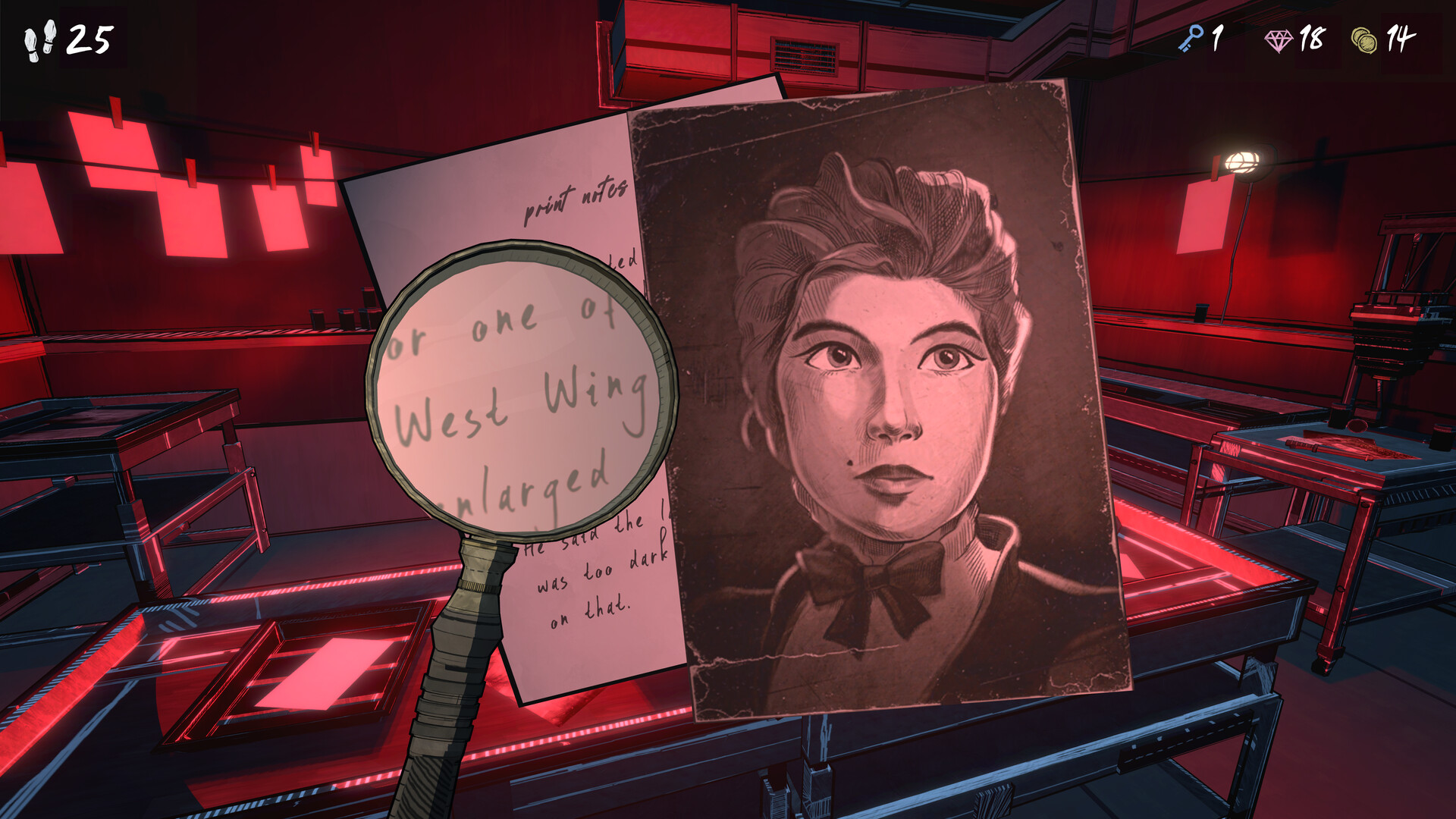
Information knowledge gate will use a specific information as key. It usually will be a secret rule or a secret password that is unreason to players. In Blue Prince, players could struggle to open the door to room 45. However, players can find a piece of information in other part of the game, which it indicated where the secret levers are to open the door.
Information knowledge gate is a more easy knowledge gate to design, since this piece of information players usually cannot think of by themself, but information knowledge gates tend to be weaker compare to application knowledge gates.
On the right of the spectrum are application knowledge gate. Instead of discovering hidden information, the player discovers a new application of an existing mechanic or a combination of mechanics. The Area 3 example in Öoo I mentioned previously is a application knowledge gate. The realization comes not from finding a clue, but from rethinking what bombs can do.

In Outer Wilds, one planet is filled with massive anglerfish that attack on sight. Much later in other planets, you learn they are actually blind and only rely on sound. The solution? Drift silently using momentum. Drifting silently past anglerfish is another application knowledge gate. This is more hard to design since players may be too creative and think of the key applications already, but a successful application knowledge gate will create magic moment where players think, “I could do this the whole time?”
This realization and surprise are why application knowledge gates so strong.
Sadly, Knowledge Gate Based Games Are Rare
Because they are extremely difficult to design.
There are two common failure points for knowledge gates:
- The key is too obvious. Players solve the gate accidentally before it ever functions as a gate. The knowledge fails to gate anything.
- The key is too obscure. Players either never discover it or fail to connect the knowledge to the gate. The gate becomes a permanent wall.
I chose Öoo as a case study because its level design elegantly avoids both problems. Let’s revisit the earlier knowledge gate and examine how it sidesteps these traps.
First, the game prevents players from triggering the key application accidentally. Before encountering the gate, there are very few situations where you would place a bomb on the special platform without immediately jumping. The game’s areas are largely designed downward, reducing scenarios where that application might occur naturally. The delayed drop is also crucial. When you place a bomb on the special platform, it hangs for about a second before falling. Since bombs are primarily used for jumping, it’s rare that a player would place one there and simply wait. Even if you notice the bomb drops, you still have to realize you can move beneath it and carry it.
Using bombs as the core mechanic is also clever. Bombs are common in video games, and players bring assumptions about what bombs can and cannot do. Öoo subtly challenges those assumptions, making the key knowledge harder to imagine in advance.
Second, the game also try to ensure player recognize both gate and key when they appear. A clearly identifiable gate helps tremendously, since players will remember that there’s something I couldn’t pass. In other cases, gates don’t need to be visually dramatic, but they must form a strong pattern that players can recall once they acquire the necessary knowledge. Simplicity is equally important. Ideally, the gate should be straightforward enough that players attempt it upon first encounter. That way, when they later gain the key insight, the past experience will make they immediately understand how to apply it.
To prevent players from missing essential lessons, Öoo’s structure is linear. You cannot skip the puzzles that teach the required knowledge. In nonlinear games, designers often provide multiple ways to acquire the same insight, increasing the chance that players discover it. As a final safety net, Öoo places a similar gate immediately after teaching the key knowledge. The teleport system is used smartly. You can only return after acquiring and successfully applying the insight once. This ensures players practice the solution before revisiting the earlier blocked path.
There are many more subtle design decisions in Öoo that make its knowledge gates work so well. I’ve only discussed the first three of its nine areas. The ending of the game is also brilliant and definitely worth to try out by yourself.
Why Are Knowledge Gates Fun?
In our game design course taught by Jesse Schell, he shared ten puzzle design tips. The last one was:
“Perceptual shifts are a double-edged sword.”
Perceptual shifts are powerful because they force players to rethink a problem from an entirely new perspective, making players to rethink out of the box. That is exactly why I think why knowledge gates are so impactful. The realization of “I could do this the whole time?” never gets old.

It’s similar to reading a detective fiction. When Sherlock Hormus reveals the culprit and talked about the clues, those clues aren't just appear out of no where, but are already presented in the novel previously. We tend to try to figure out who is the murder by ourself first, since we are human and we want to prove that we are smart. But we often cannot figure it out, and that is also why detective fiction is so satisfied when everything connected together at the end. With knowledge gates, however, we are the detective. The entire level design is constructed to guide us toward discovering the connection between the key and the gate. When that realization arrives, the excitement feels earned. The surprise is not given to us, we uncover it ourselves.
Knowledge gates can exist on different scales. In Öoo, the experience is linear and tightly controlled. In contrast, games like Outer Wilds embrace nonlinearity. Designing knowledge gates in nonlinear games is extraordinarily difficult. You cannot easily control where players go, and they will become lost oftenly. Even with a masterpiece like Outer Wilds, many players struggle or drop the game. Yet the reward of nonlinearity is incomparable, since each player’s journey becomes unique. You might discover the key to a gate for entirely different reasons than someone else. That personalization adventure will make the experience unforgettable.
What Are Beyond The Gates?
I’m glad more games are experimenting with knowledge gates. They are high-risk, high-reward designs. They are extremely hard to create, but deeply satisfying to play. If there is any other downside I could say, is this:
You can only truly experience it once, since the gate is never locked once you have the knowledge.
That is to say, a great knowledge gate is unforgettable.
Comments