Street Fighter 6 - Fighting Game Character Theme Dilemma
I Love Character Theme In Fighting Game
The maximum length of a fighting game match is usually 99 seconds × 3 rounds, plus some transition time—around 5 minutes total. However, due to the fast pace of fighting games, rounds can end extremely quickly.
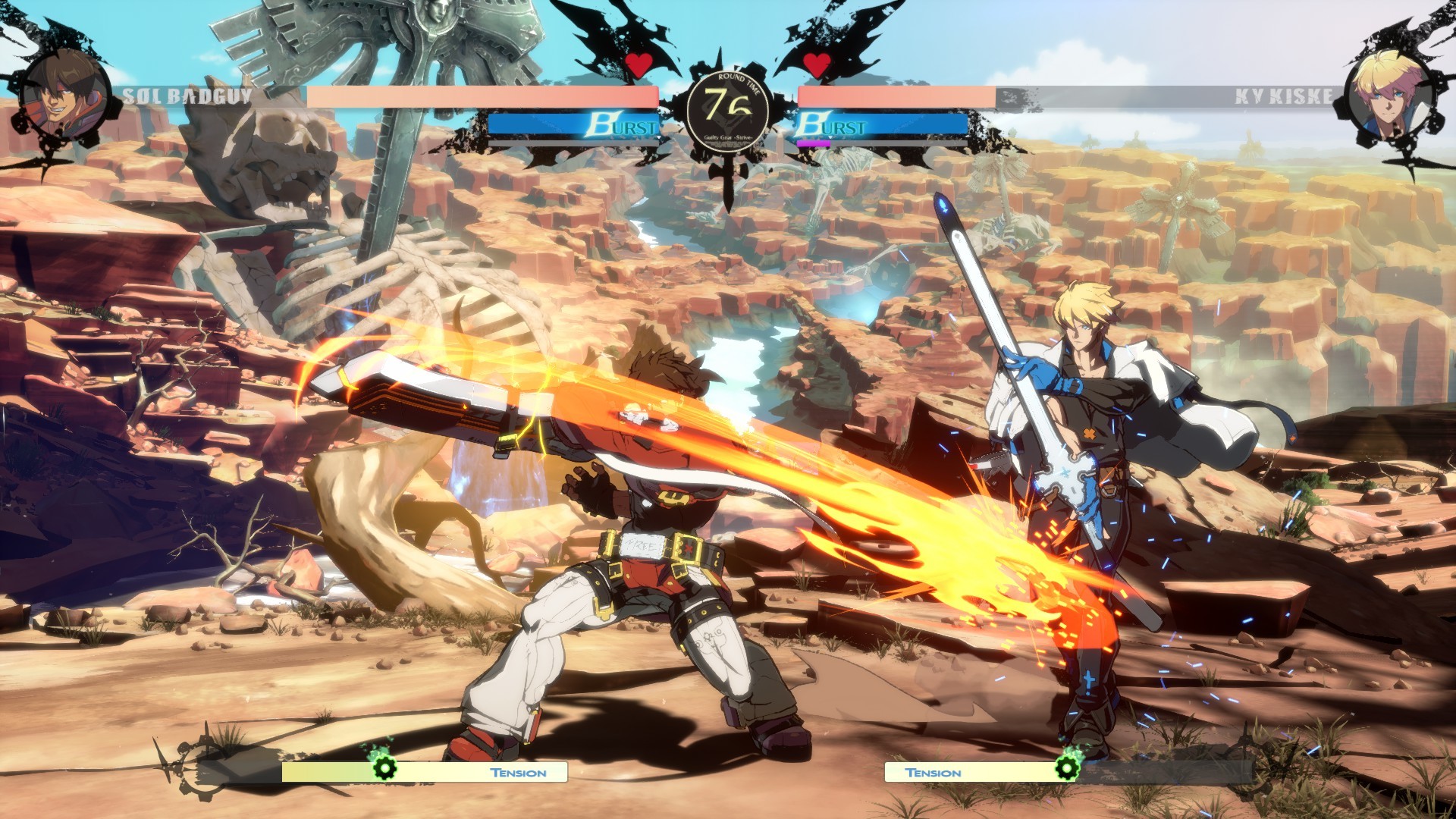
For example, in Guilty Gear -Strive-, players can defeat their opponent in less than 10 seconds—and that happens quite often.
My point is: it’s hard to truly enjoy character themes in fighting games because matches are so short.
Still, character themes are something I’m deeply obsessed with. Creators use them to express a character’s personality and motivation, and I believe this is why some players are so obsessed with fighting game character themes.
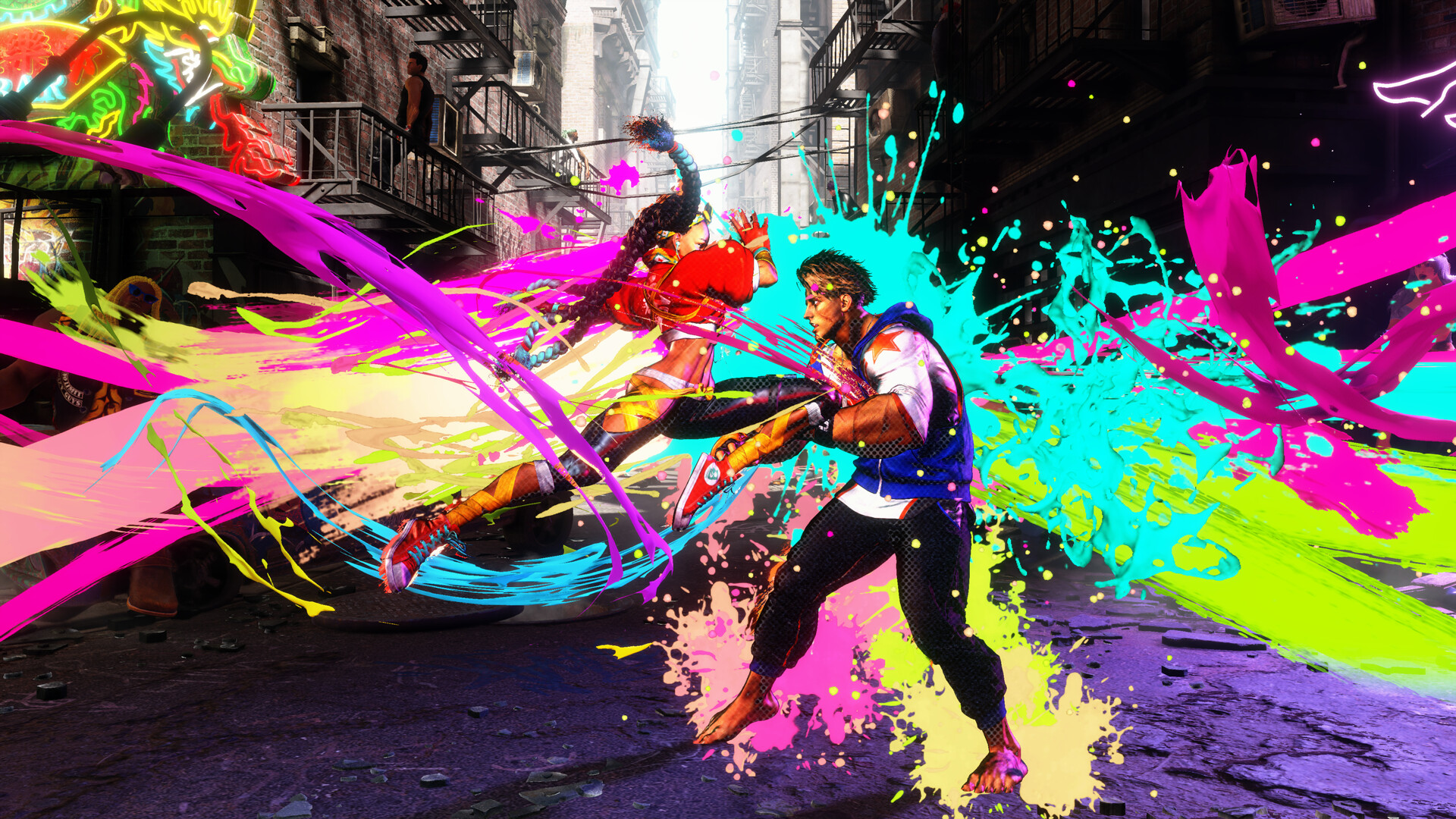
I often feel a bit disappointed that I rarely get to enjoy the full track during a match. As a player, I love character themes. But as a developer, I’ve started questioning their necessity. If the game rarely gives players the chance to hear them fully, should we spent time to make them great?
That question answered when I played Street Fighter 6.
An Unique Approach From Capcom

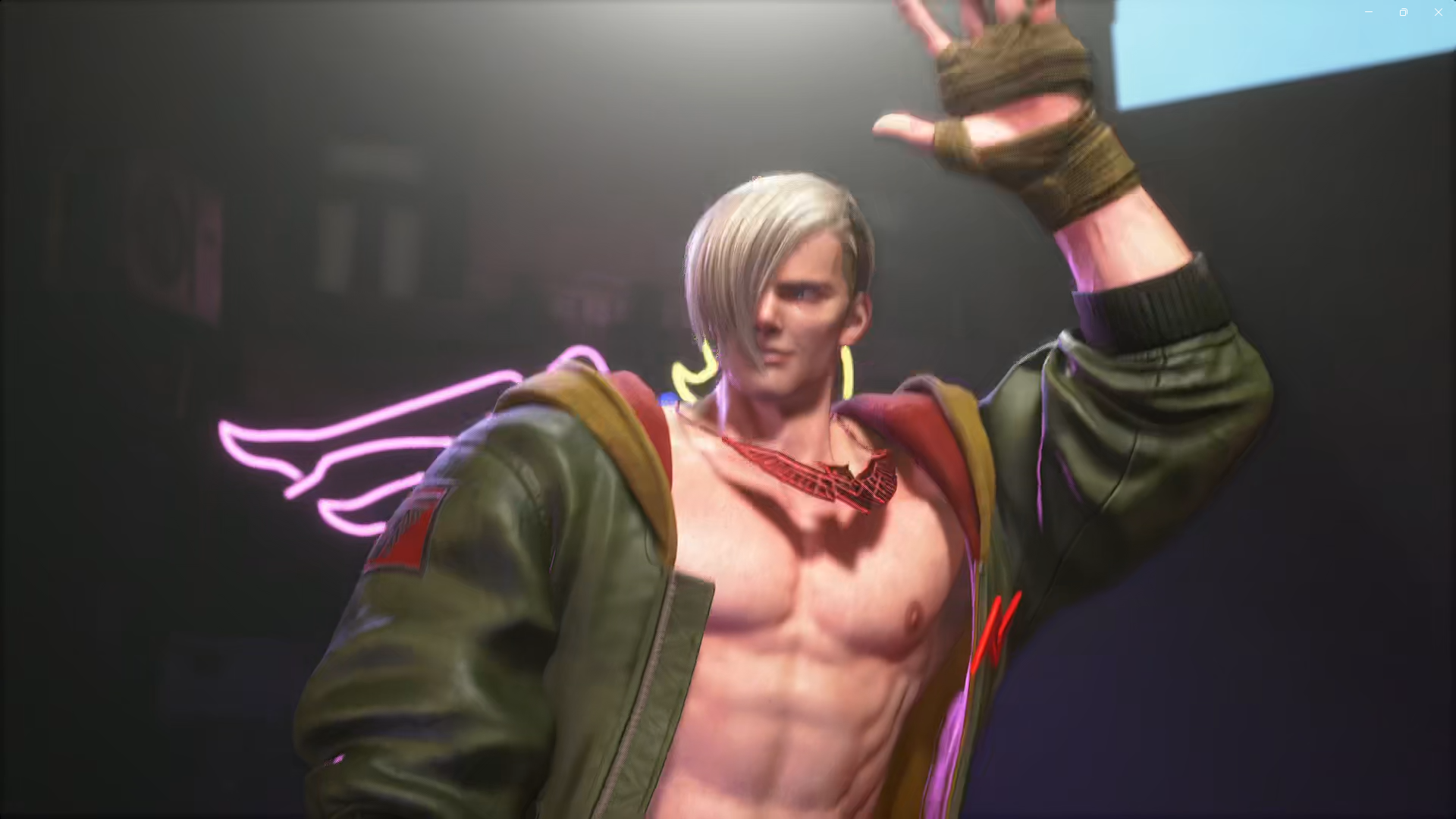
This is Ed, a Psycho Power–wielding youth rapidly aged through Shadaloo’s experiments, now on a journey to free others like him.
His theme, König oder Feigling (“King or Coward”), is one of my favorite tracks in SF6. It’s a German rap piece that strongly reflects his identity. Please listen to it first so that you may understand my explanation later.
The theme itself is excellent—but what I want to highlight is how Capcom integrates it into gameplay.
In Street Fighter 6, character themes are broken into six sequences:
- Opening (0:00 in music)
- First round (0:12 in music)
- Critical health (1:13 in music)
- Bridge (1:56 in music)
- Second round (2:04 in music)
- Third round (3:05 in music)
As you might expect, the music is played dynamically during the fight.
How Music Becomes Dynamic in a Fight
This video demonstrates what a match works in Street Fighter 6.
At the start of each match, the game plays the opening segment of the character’s theme. After a few seconds, the fight begins.
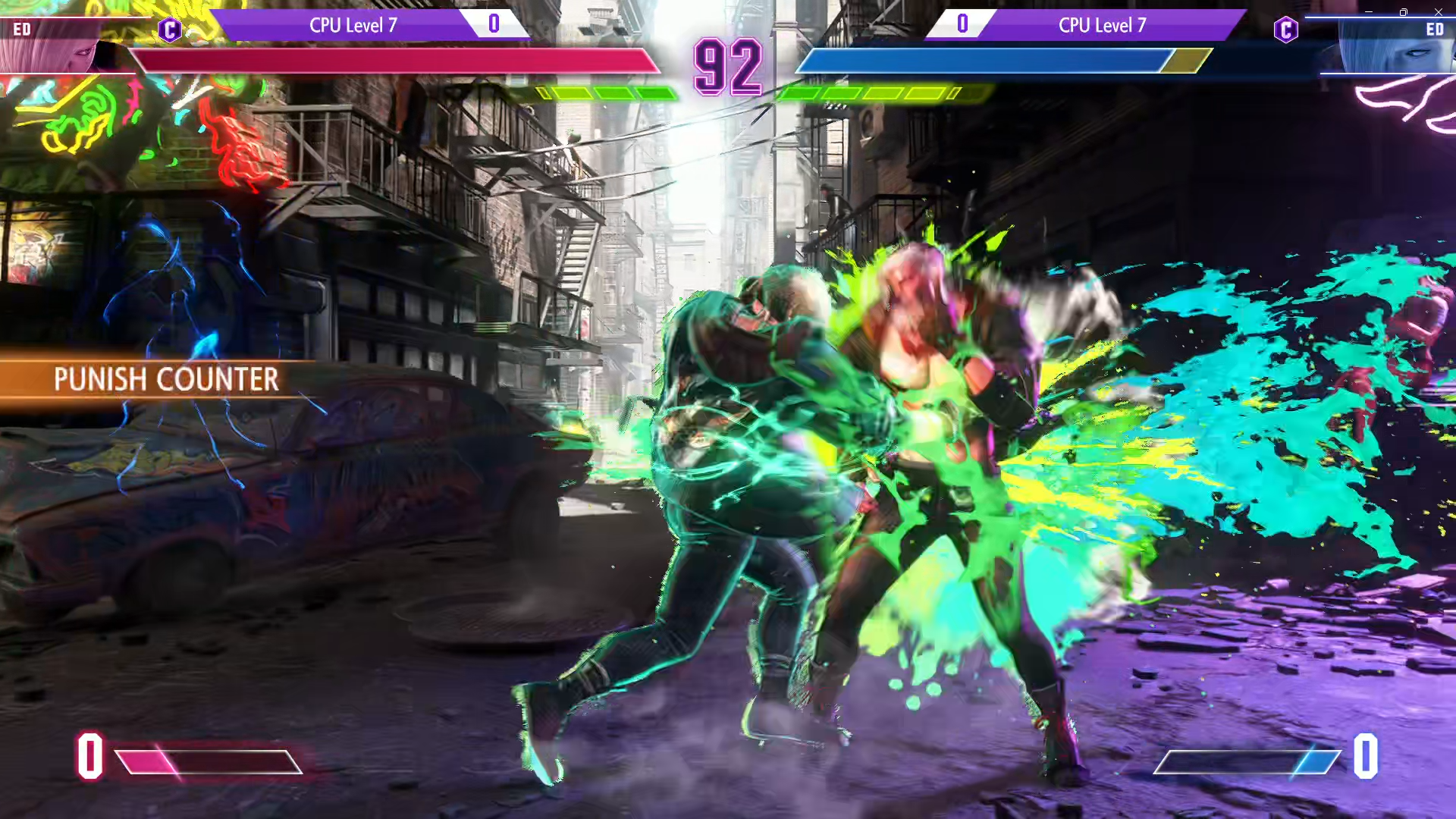
Matches are typically Best-of-Three (FT2). This means up to three rounds, each corresponding to a different section of the track.
This structure is extremely hype, since each section escalates the intensity. For example in the match, the second section introduces additional guitar riffs, and the third section adds electronic layers and an alternate vocal performance
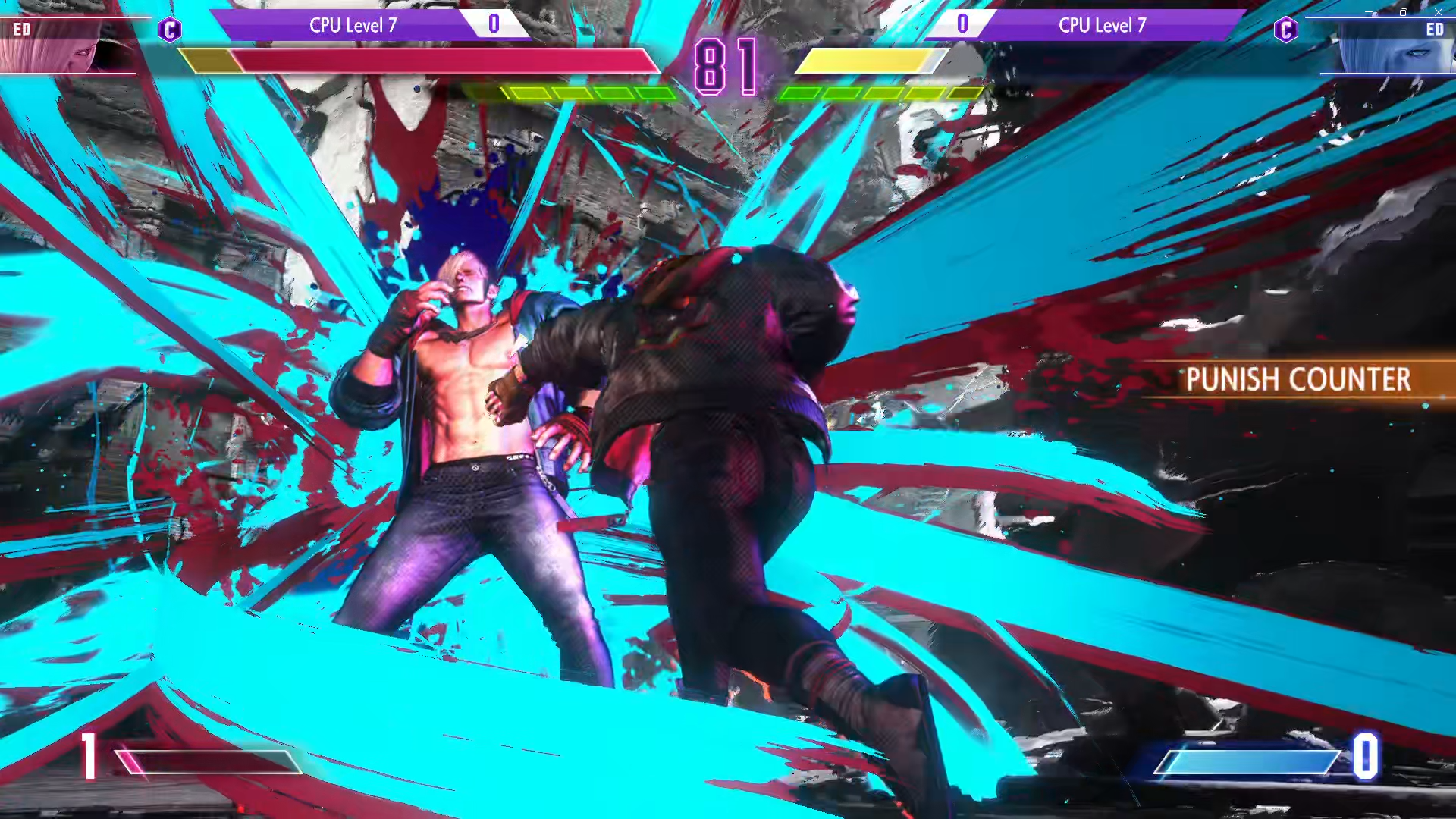
At any moment, a player can enter Critical Health. When this happens, the music switches to the critical health segment.
This section creates a strong sense of danger. It not only signals a last chance for the losing player, it warns the leading player not to relax.
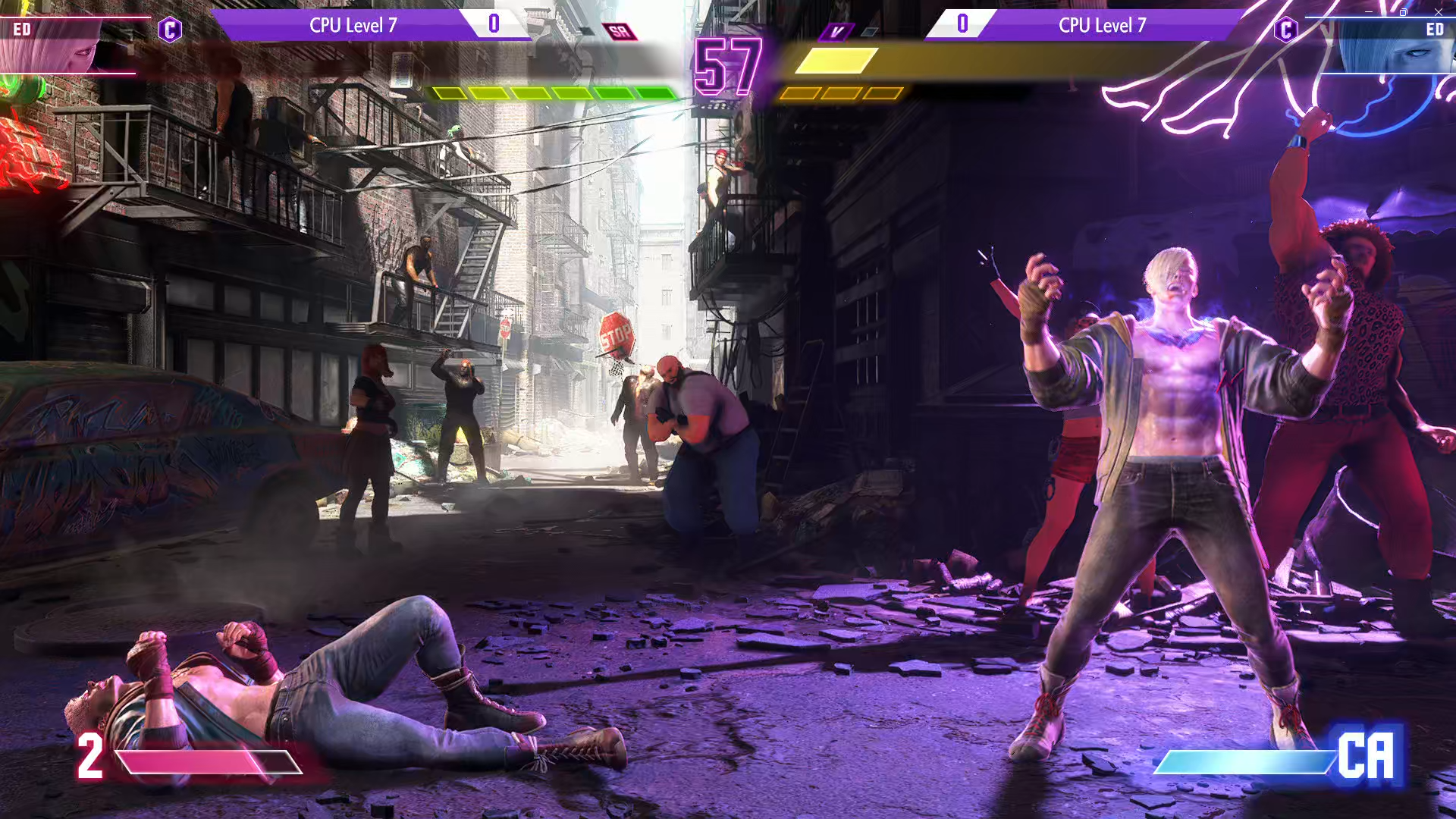
At the end of a round—if the match isn’t over—the music transitions into the bridge section. This moment is important. It gives players a brief emotional reset, allowing them to rethink their strategy.
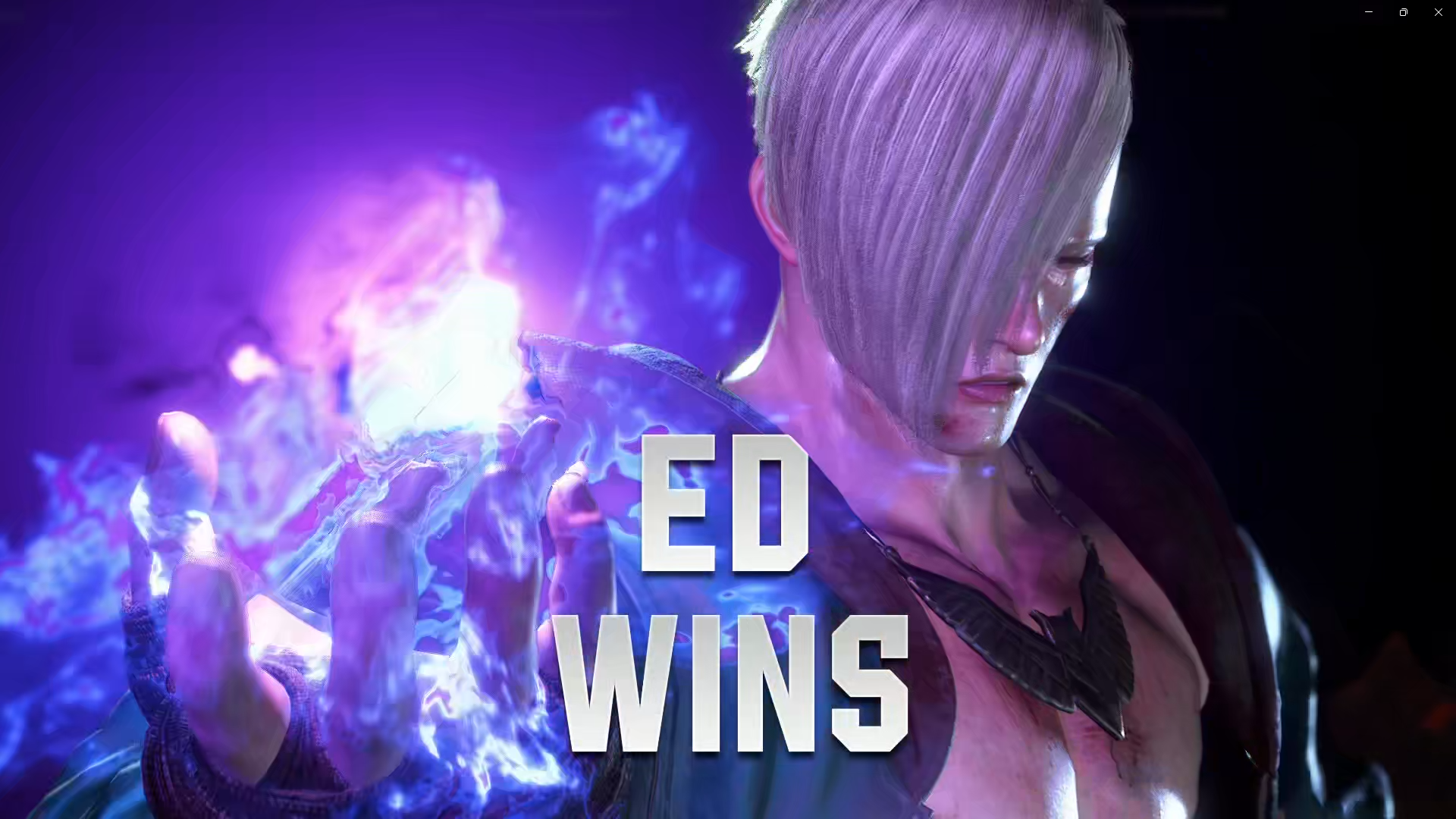
This is a brilliant use of dynamic music.
By structuring themes this way, players experience the full composition in a non-linear format—while still maximizing emotional impact. Tension builds with each round, and focus sharpens as players approach the final decision point.
I highly recommend listening to the full tracks and comparing them to actual matches since every SF6 theme follows this structure.
I Think Dynamic/Adaptive Music Is Really Powerful.
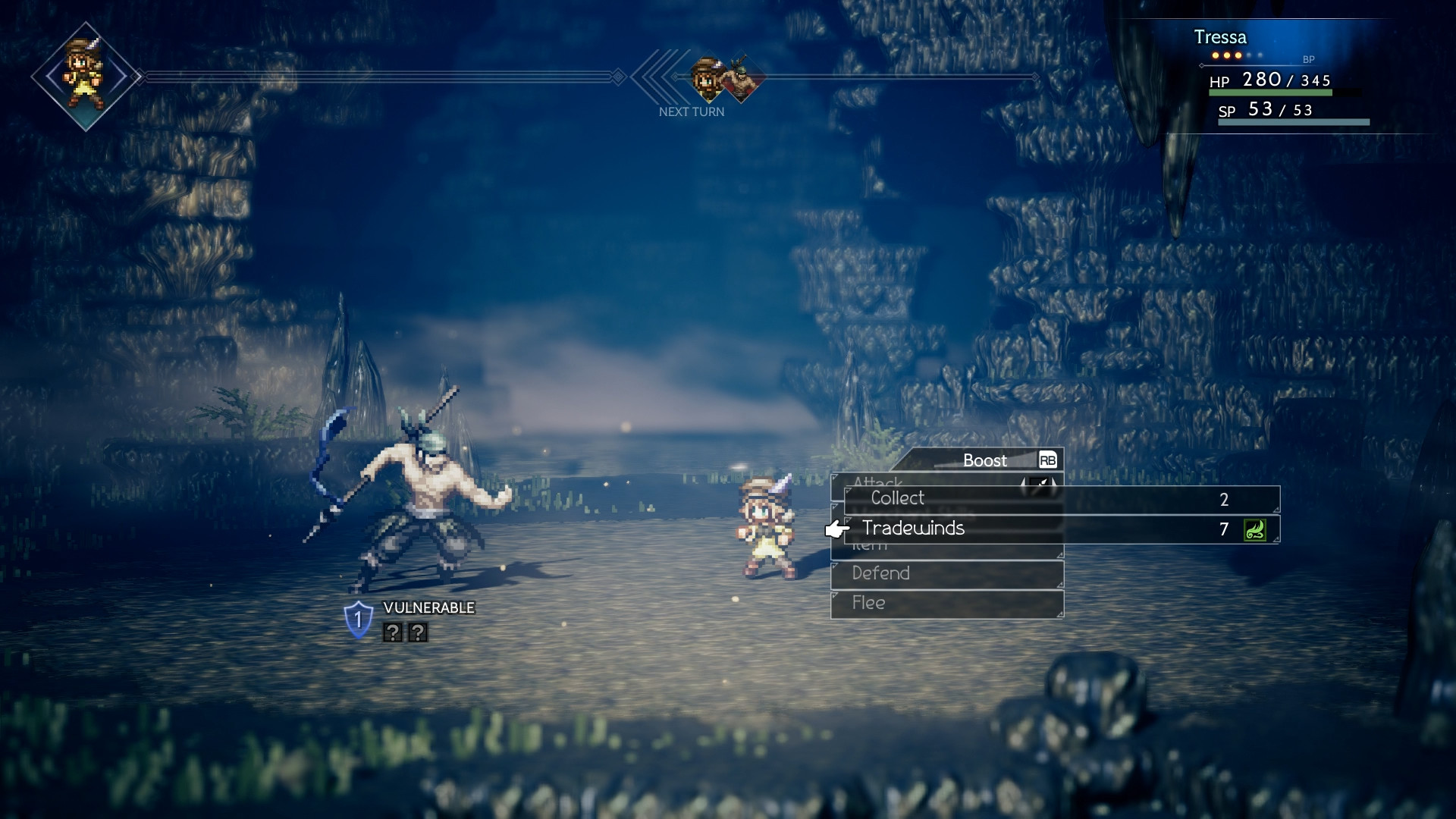
One of my favorite series, Octopath Traveler, also uses dynamic music. When each protagonists confront a boss, their individual motifs play during dialogue before transitioning into battle music.
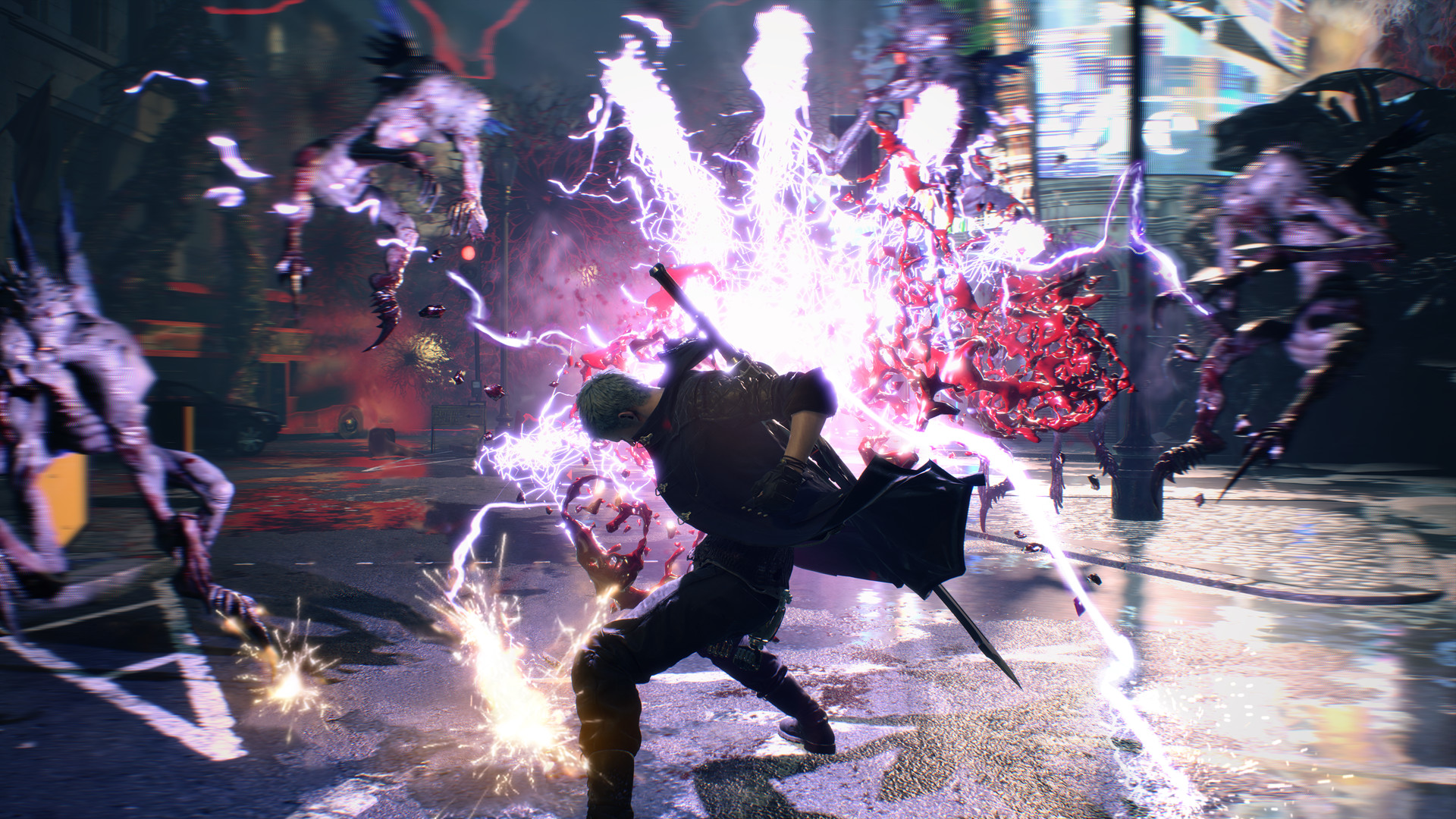
Devil May Cry 5 dynamically adjusts music based on the player’s style rank.
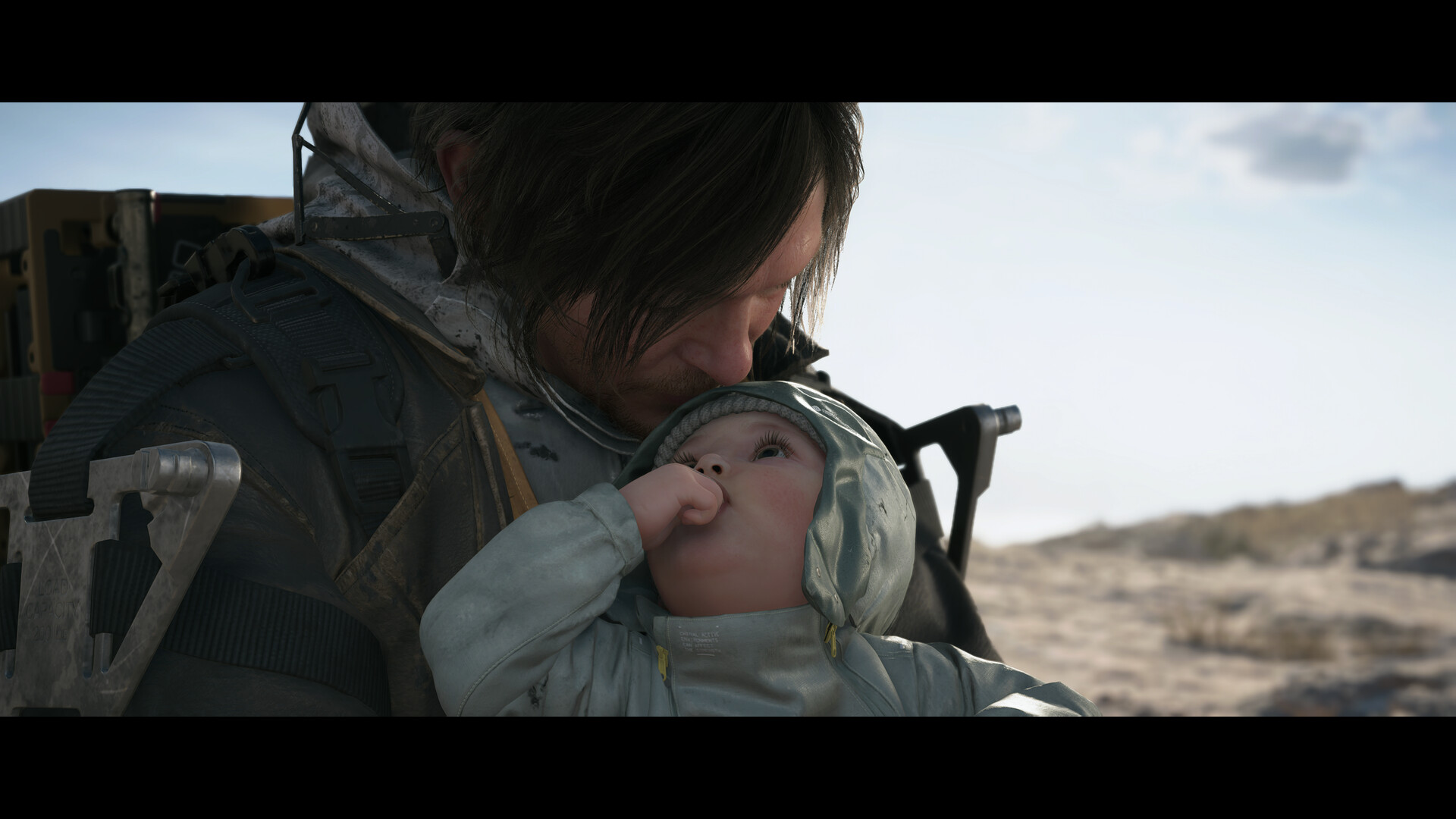
Death Stranding 2 also showcases dynamic music, which movement affects the soundtrack — drums intensify while traveling and piano fade when leaving the path. This was introduced by Kojima himself during a game premiere event.
There tons examples of dynamic music design, but still not enough in my opinion. I believe this is because dynamic music is difficult to implement. It not only requires composers who deeply understand the game but also demands systems that allow seamless transitions and dynamic changes which create challenges for both designers and programmers.
Even this effort often goes unnoticed by players, I strongly admire this approach.
Games are interactive, and their music should be too.
Comments