Forestrike - You Really Don’t Need Your Game To Be Roguelike.
In Case You Don’t Know What a Roguelike Is
Roguelike games are booming.
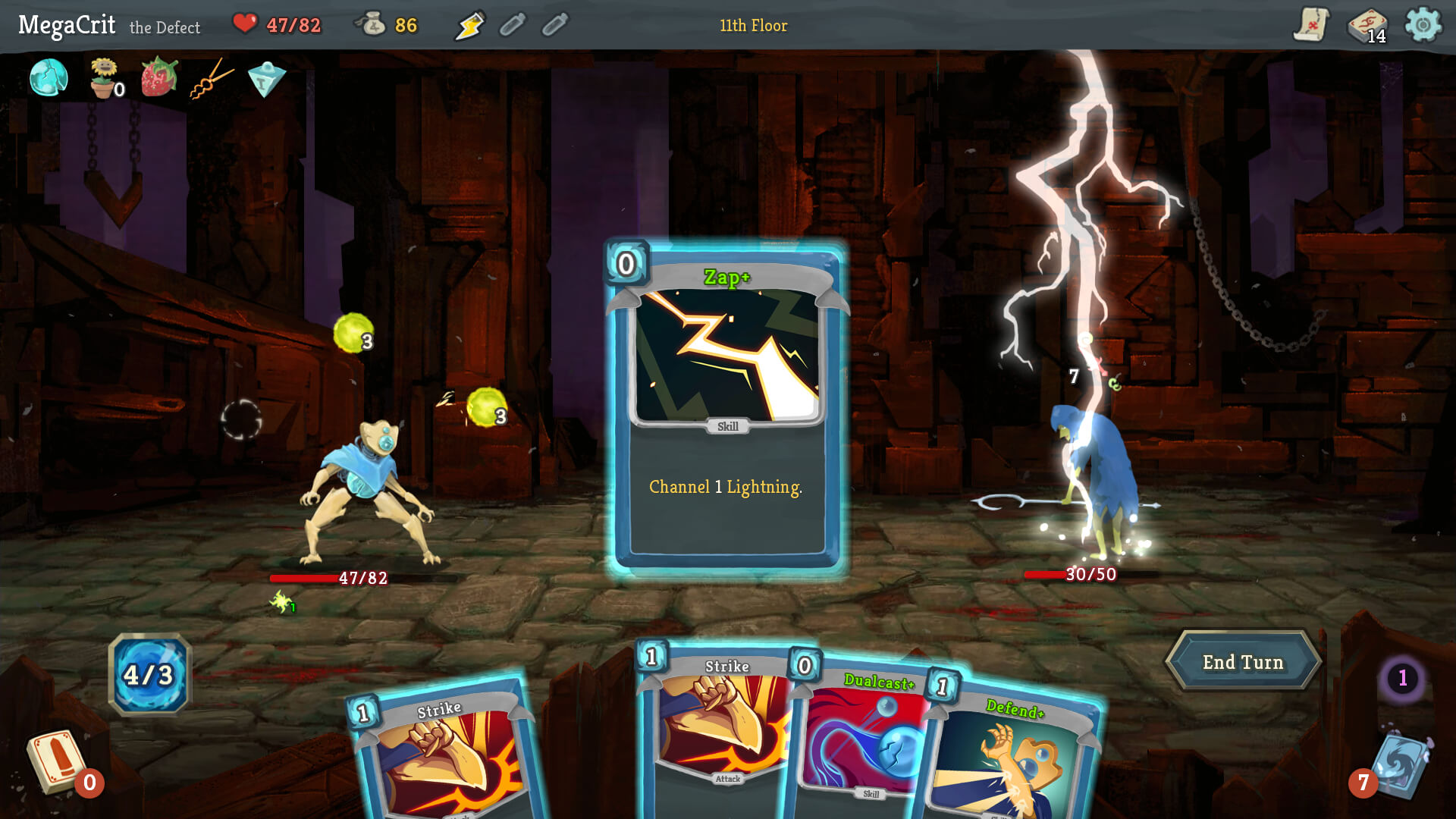
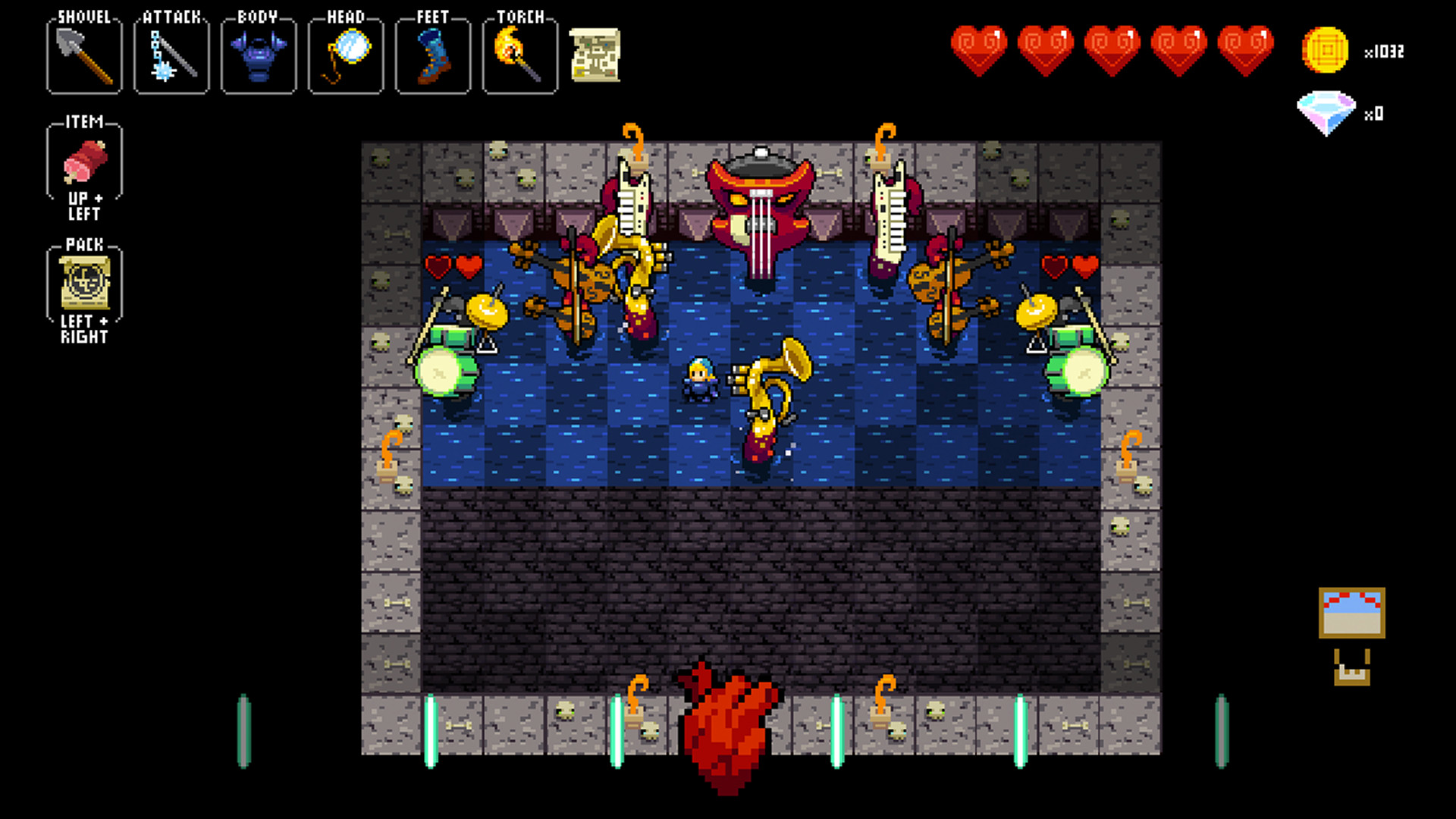
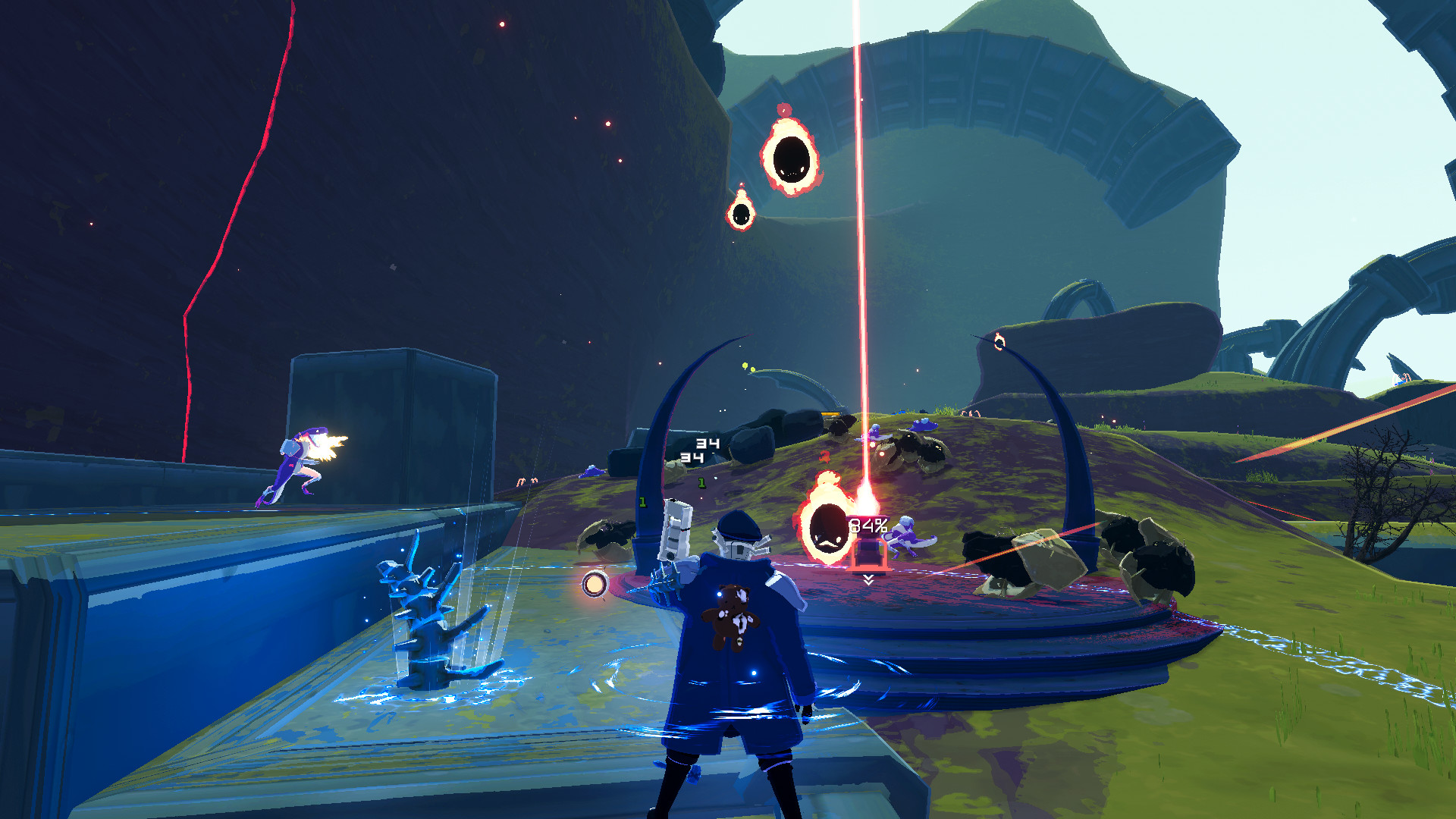
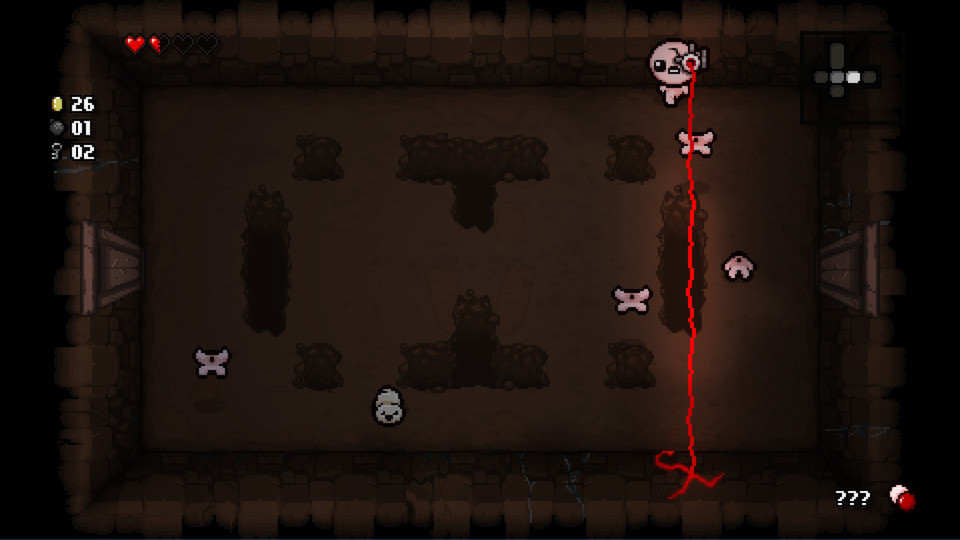
For those unfamiliar with the genre, roguelikes usually have two defining characteristics:
- Procedurally generated levels
- Permanent death

Procedural generation ensures that each run feels unique, while permanent death forces players to learn from failure rather than memorize layouts. Learning is what makes roguelikes fun. You learn the game, and keep improving until you succeed.
I’m a big roguelike/roguelite fan myself and have played nearly a hundred games in the genre.
However, should you make your game a roguelike?
DON’T.
Forestrike Is a Roguelike
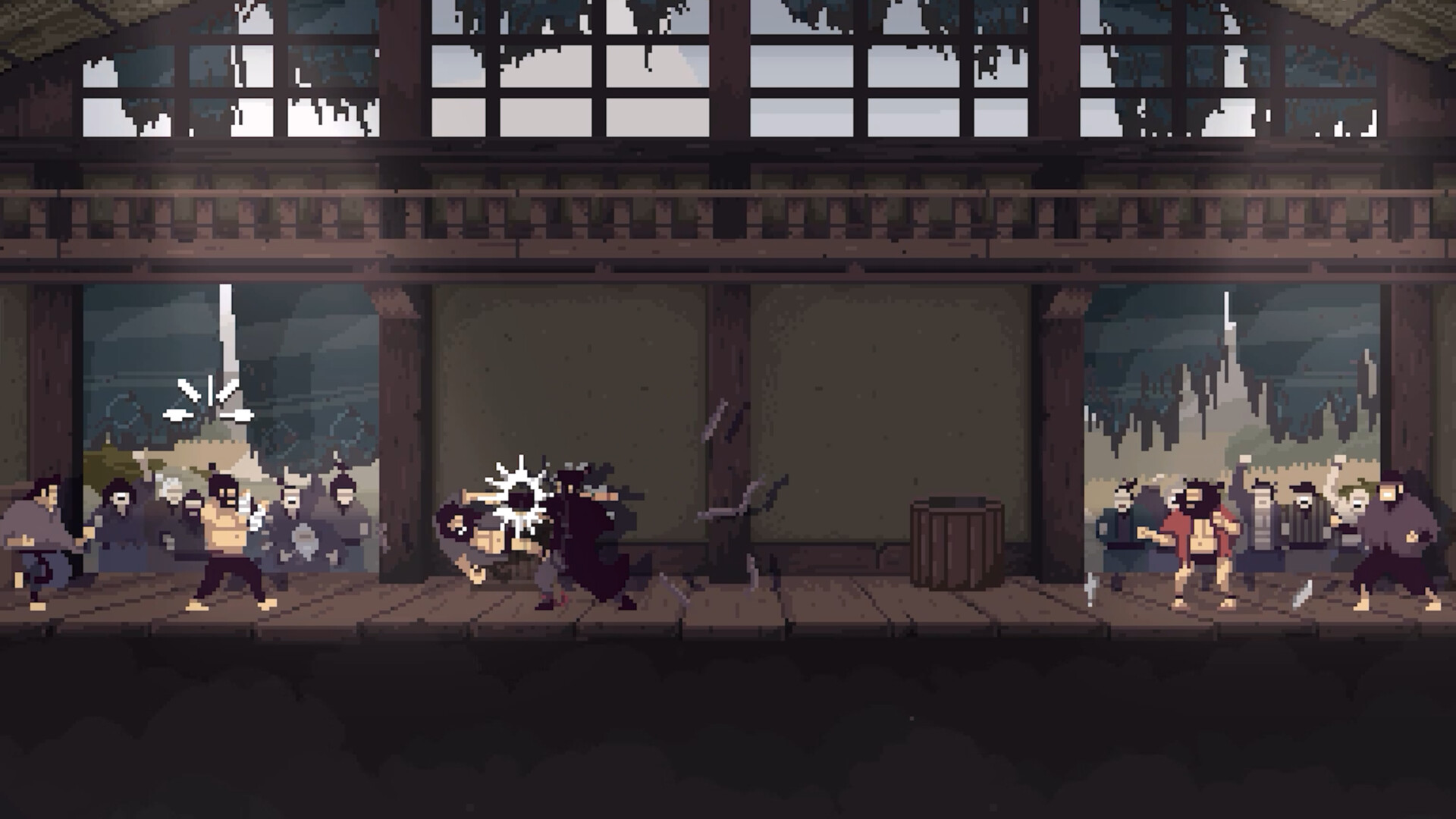
Forestrike is a game where you play as a martial artist named Yu, who embarks on a journey to free the Emperor from an evil Admiral’s influence. Yu possesses a mysterious technique called “Foresight,” which allows him to rehearse encounters in his mind. During each fight, you can practice as many times as you want before committing to the real battle.
This is the core mechanic of the game, and everything should be built on it, right?
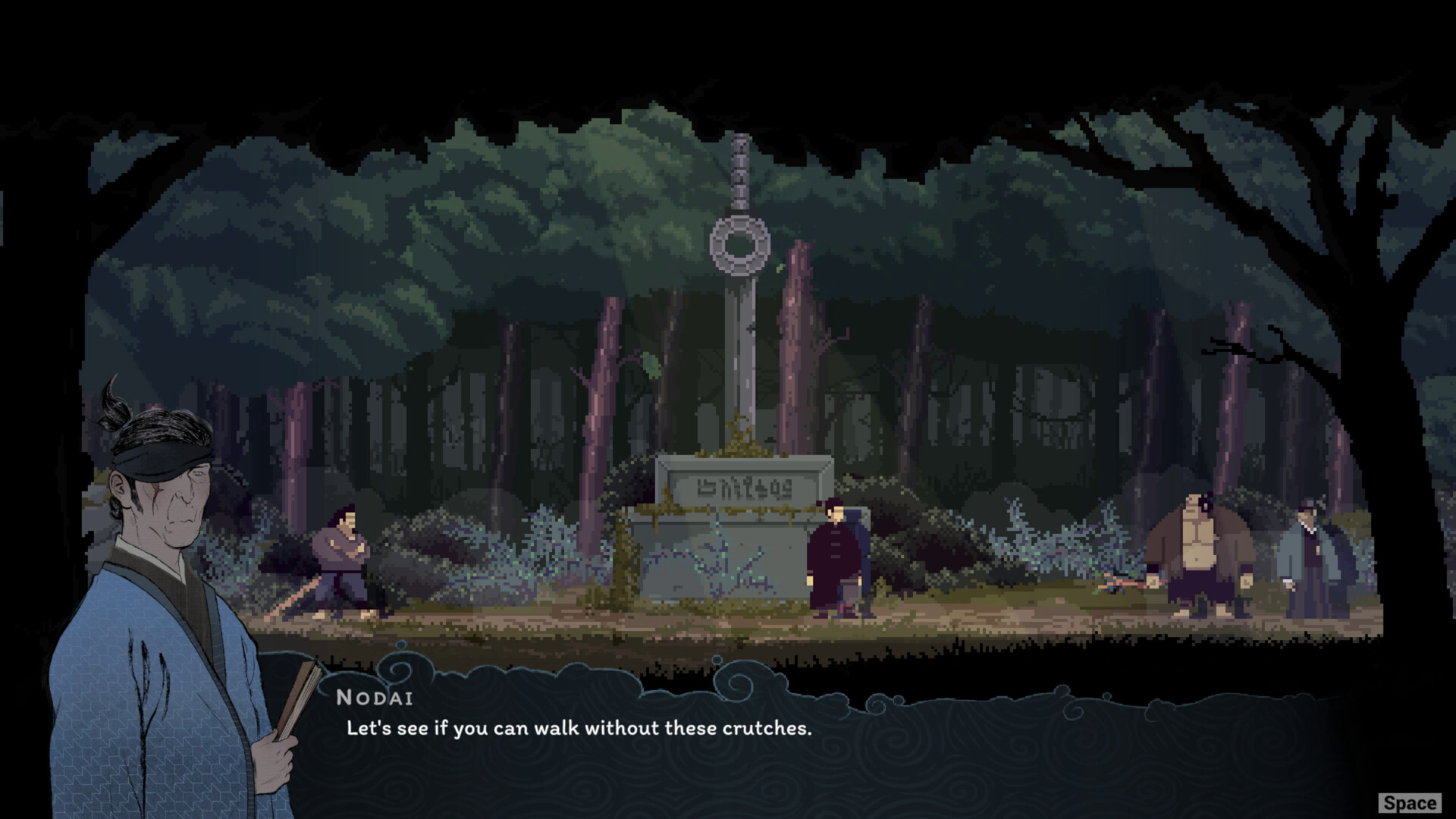
The one aspect where this game benefits from being a roguelike is its story. No matter whether you win or lose, you always return to the beginning. Every run is essentially a mental rehearsal using “Foresight.” In reality, Yu never actually embarks on the journey. This is a brilliant narrative setup. It integrates roguelike elements into the story while adding a deeper metaphor.
Despite that, I find the game less enjoyable because it is a roguelike.
Forestrike Doesn’t Need to Be a Roguelike
Beyond its narrative justification, the game doesn’t actually benefit from being a roguelike. Each run lets players learn martial arts randomly, and success depends on building strong synergies. At the same time, combat requires precise execution and mastery of enemy patterns, which you practice through “Foresight.” However, both the strategic and action aspects feel frustrating.
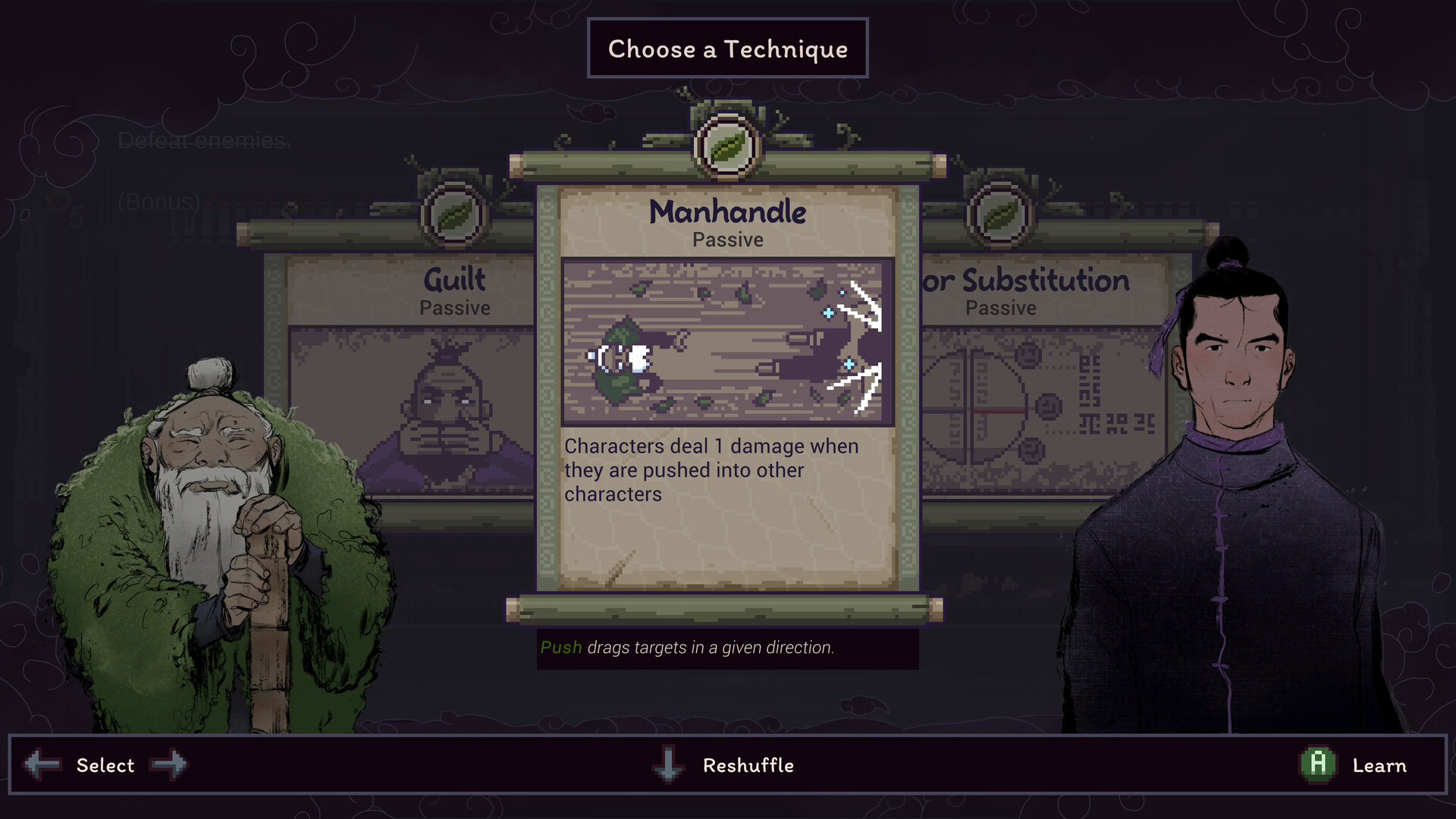
On the strategy side, synergies are unclear, and some martial arts are overwhelmingly stronger than others. Getting these dominant abilities often determines whether you can win. Some encounters deal unavoidable damage unless your build is strong enough, which undermines player skill. On top of that, the game offers limited meaningful choices. Many options feel useless. Some upgrades are worse than previous ones. Some synergies simply don’t work. Some choices are fixed, and there is always one clearly better option. To put it simply, the game fails in balance.
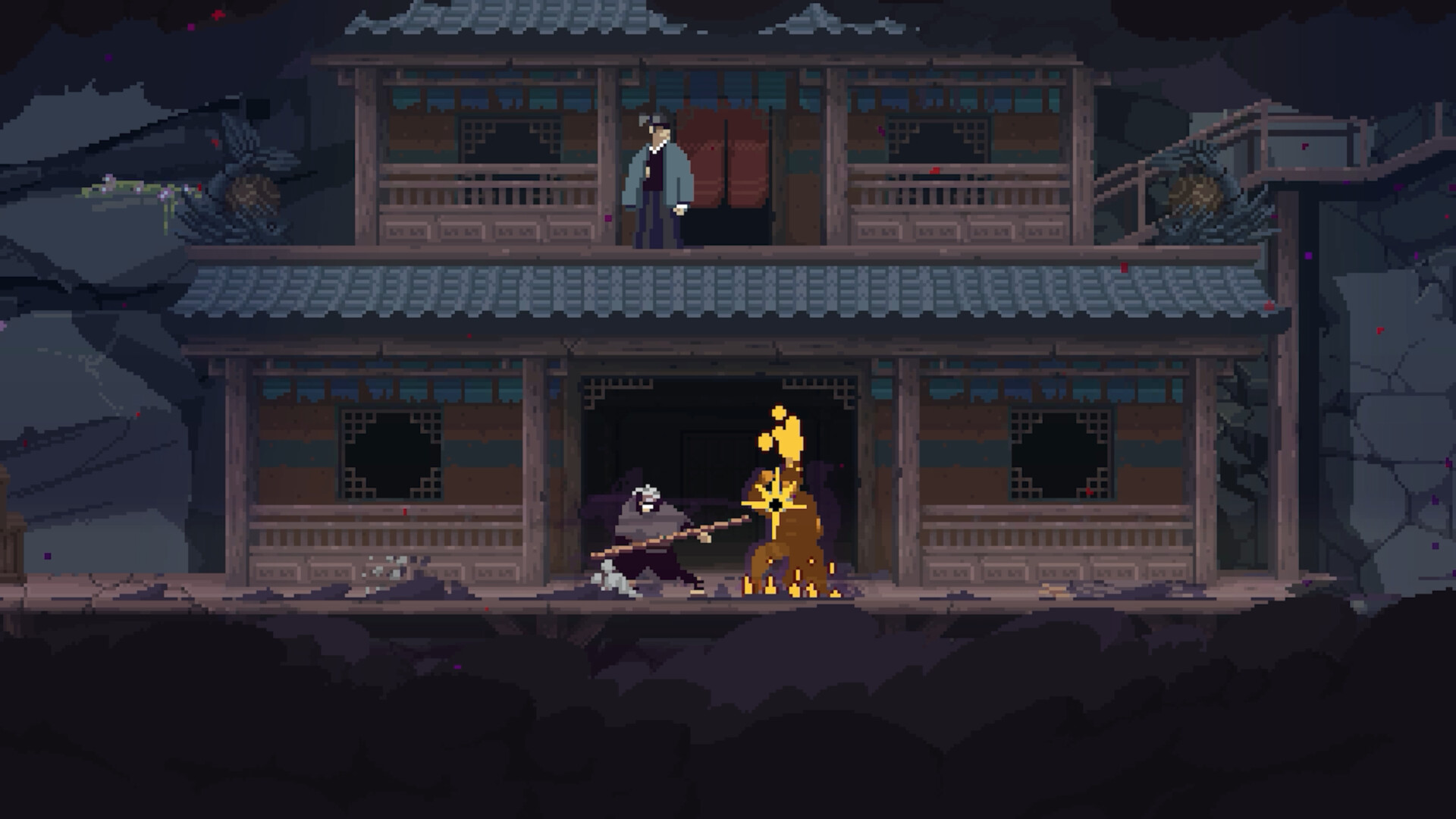
On the action side, the core idea of “Foresight” actually creates negative feedback for players. In roguelikes, players die a lot. That’s fine since what matters is what they learn from failure. A good roguelike should give players something when they die, helping them understand what to do better next time. However, you have unlimited practice using “Foresight” in this game, but you will still take damage due to tight input windows and small execution mistakes. In other words, failures always come from tiny mechanical errors rather than new mechanics or patterns because you’ve already seen and practiced those through “Foresight.” This turns failure into frustration. Learning that you need to “be more careful next time” over and over again is not satisfying.
In my view, Forestrike is a strong example of a game that shouldn’t be a roguelike but was made into one anyway. Its core mechanic could have been expressed much better in a different structure.
Should You Make a Roguelike Game?
Many developers misunderstand roguelikes. They assume that procedural generation and permadeath mean less work. You won’t need to design levels by hand, and infinite replayability comes for free.
Less work, infinite gameplay. Sounds great, right?
Wrong.
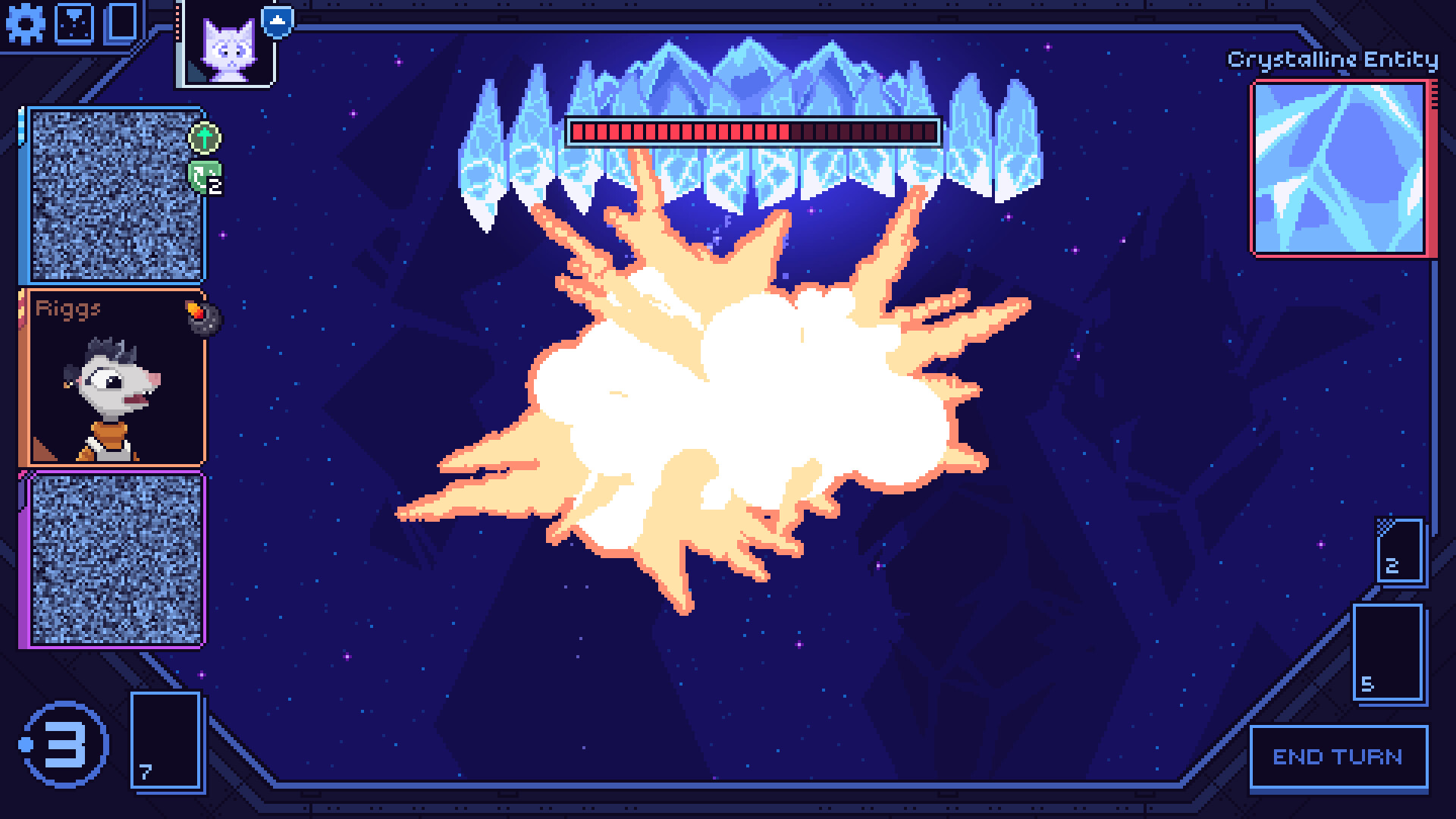
Procedural generation means you must ensure your algorithm consistently produces levels with the same quality as handcrafted ones. Does that sound easy at all? Permanent death also means players will feel frustration every time they fail. To make each death meaningful, you must clearly communicate why they failed so they can learn. But how do you know if players are actually learning what you intended?
Playtesting.
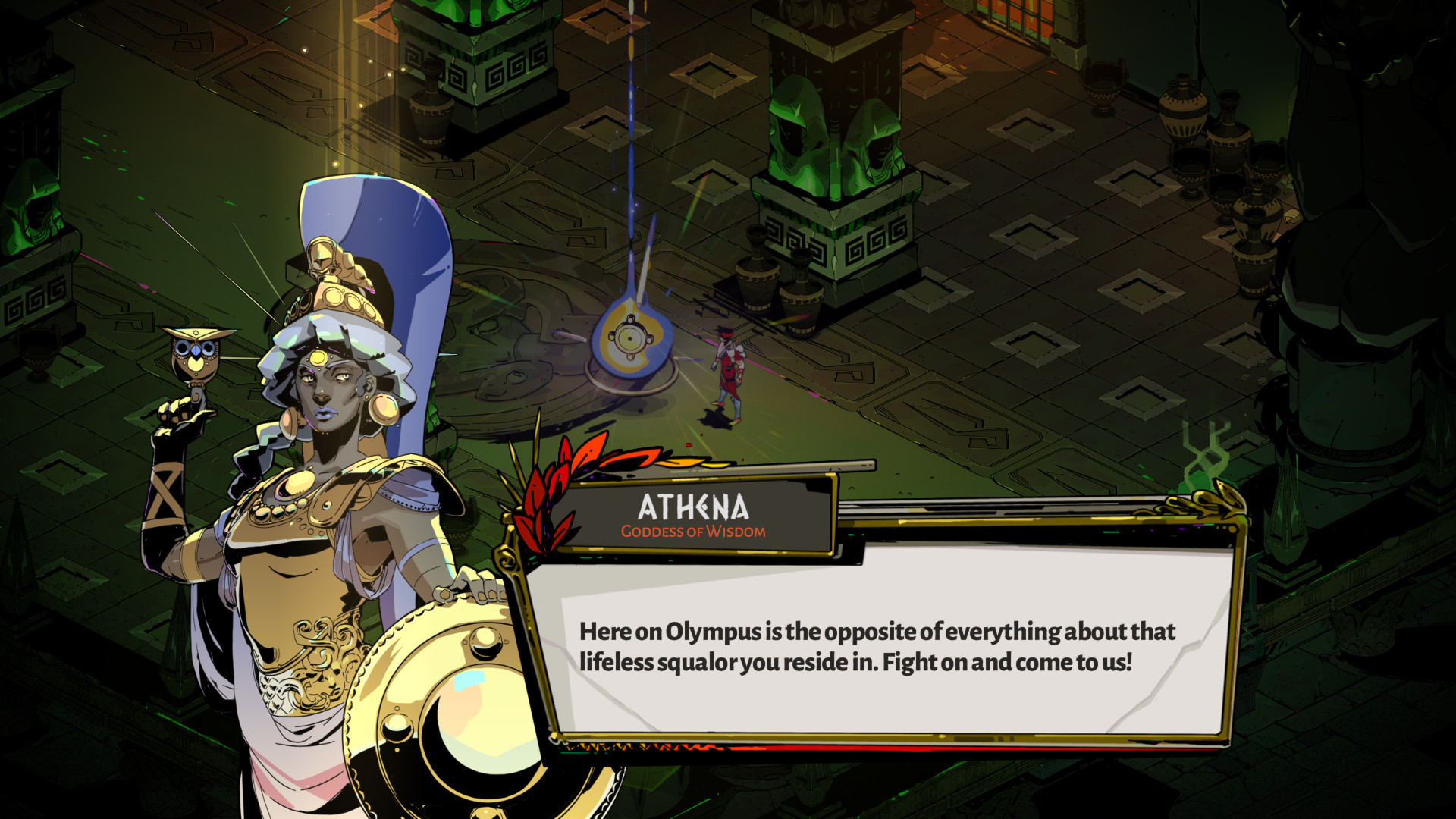
Randomness in roguelikes is often carefully controlled. Developers don’t create true randomness. They create designed randomness that feels fair and intentional. For example, Hades uses a boon system where you unlock more advanced abilities only after obtaining basic ones. This structures progression while maintaining the illusion of randomness. You can design your own systems, but how do you know they work?
Playtesting.
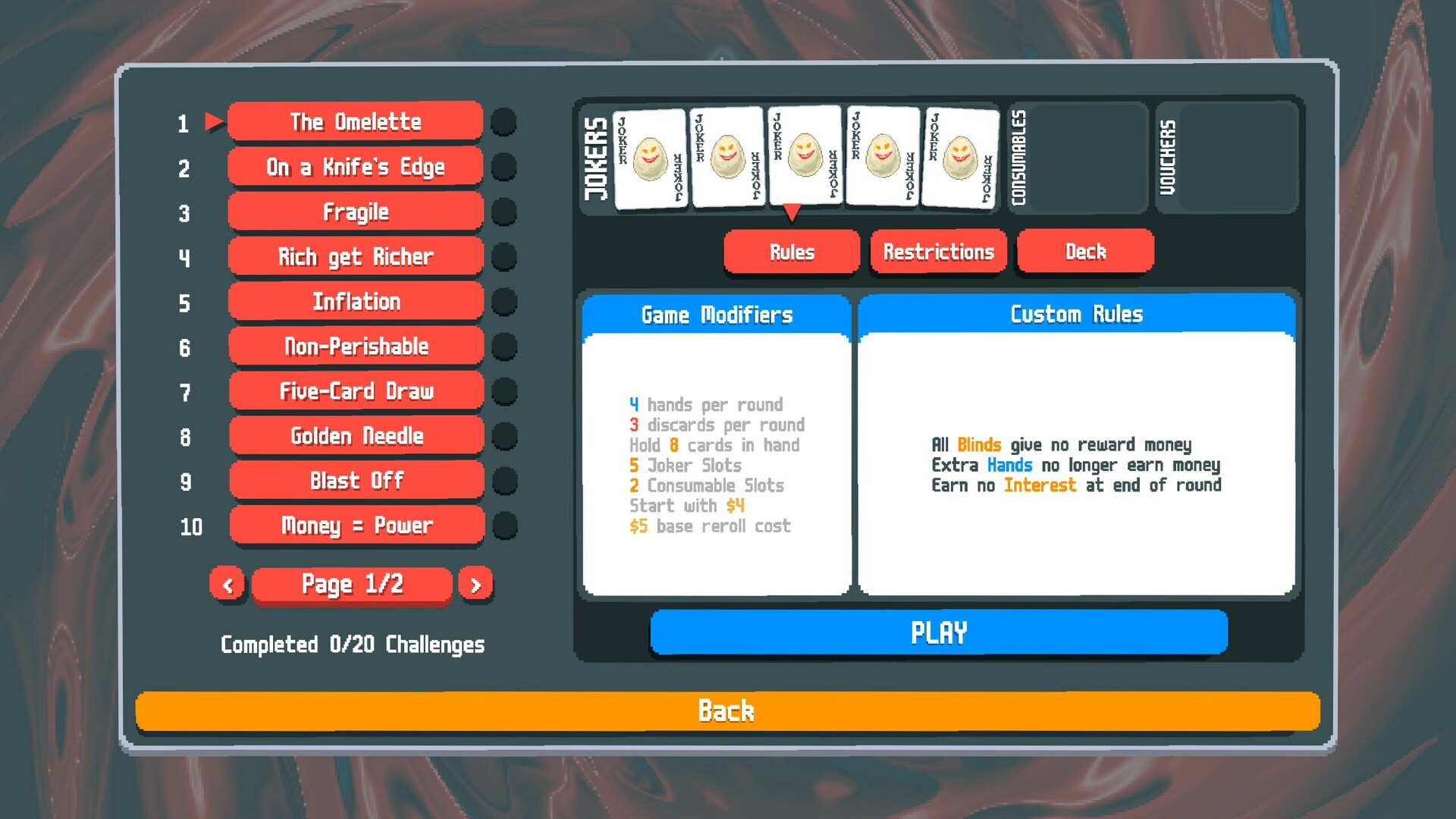
Additionally, what happens after players beat your game? How do you keep them engaged? Can you provide enough meaningful build variety? Can you create new experiences after players understand the system? Can you encourage experimentation with different strategies? Upon all that, how do you know it works?
Playtesting.
As you might have guessed, playtesting is critical. Even small system changes can drastically affect the roguelike experience. This causing making a roguelike often takes far more time than expected, even when you already expect it to take a lot of time.
Do or Do Not? Please Try First.
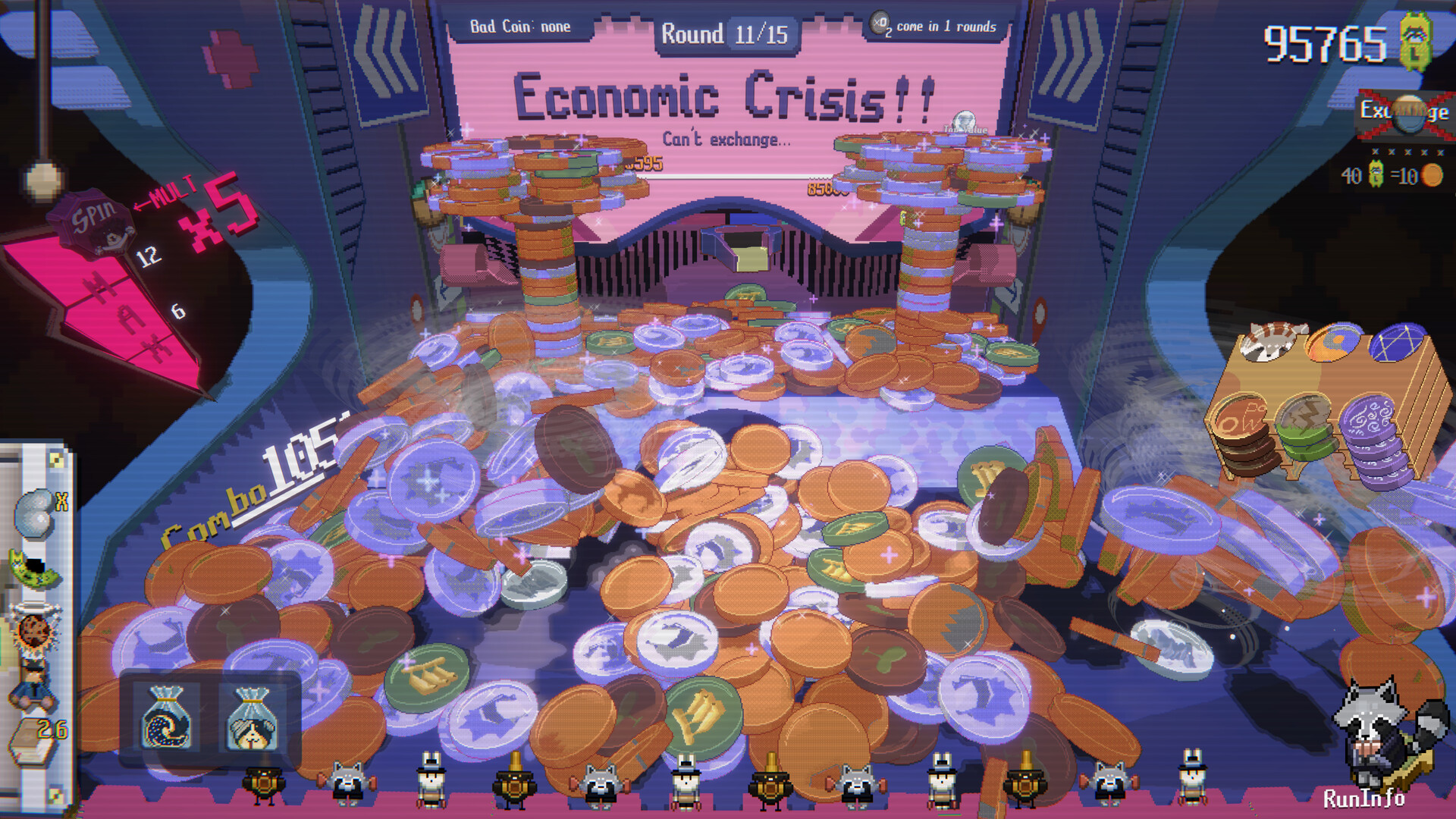
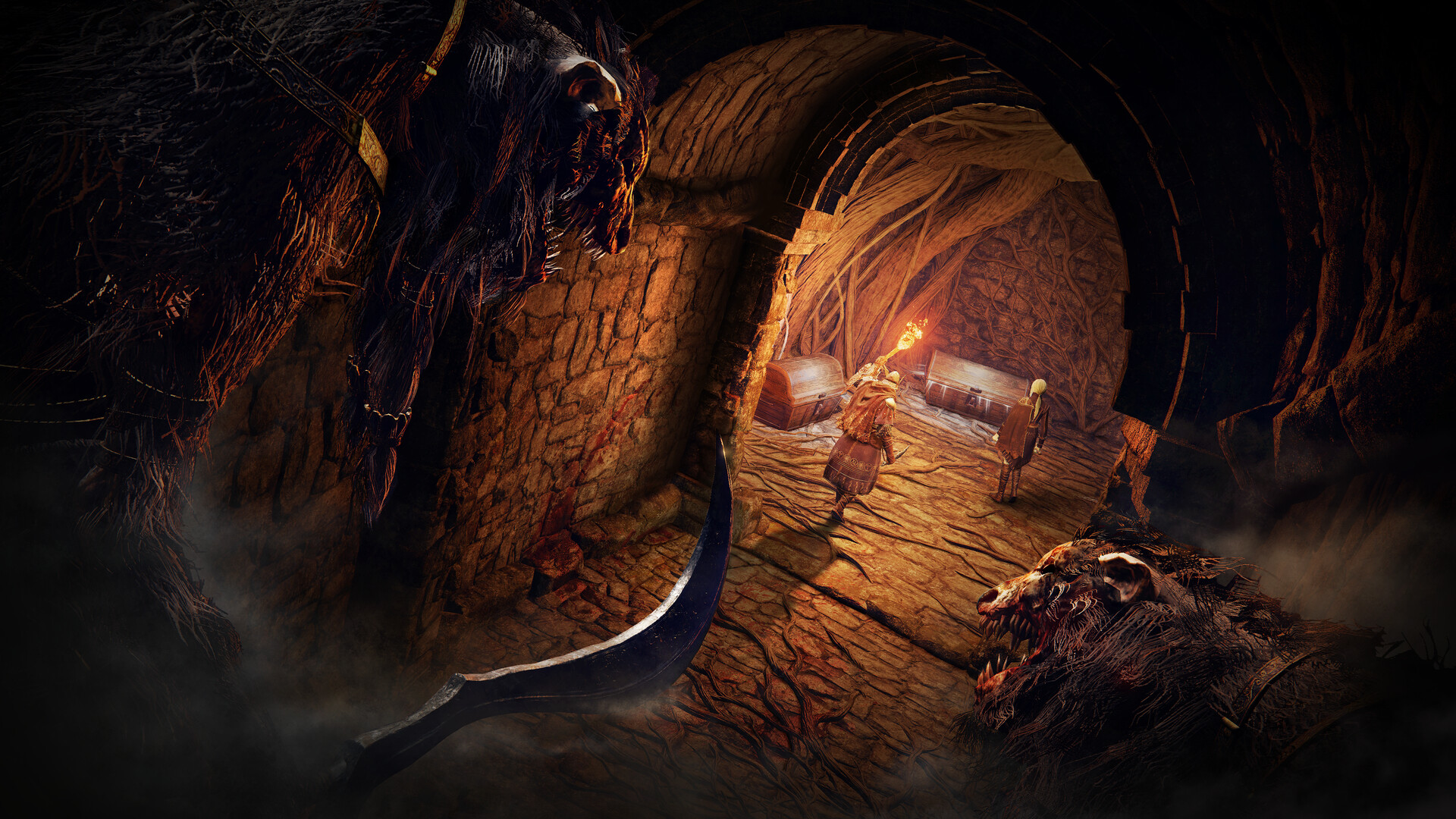
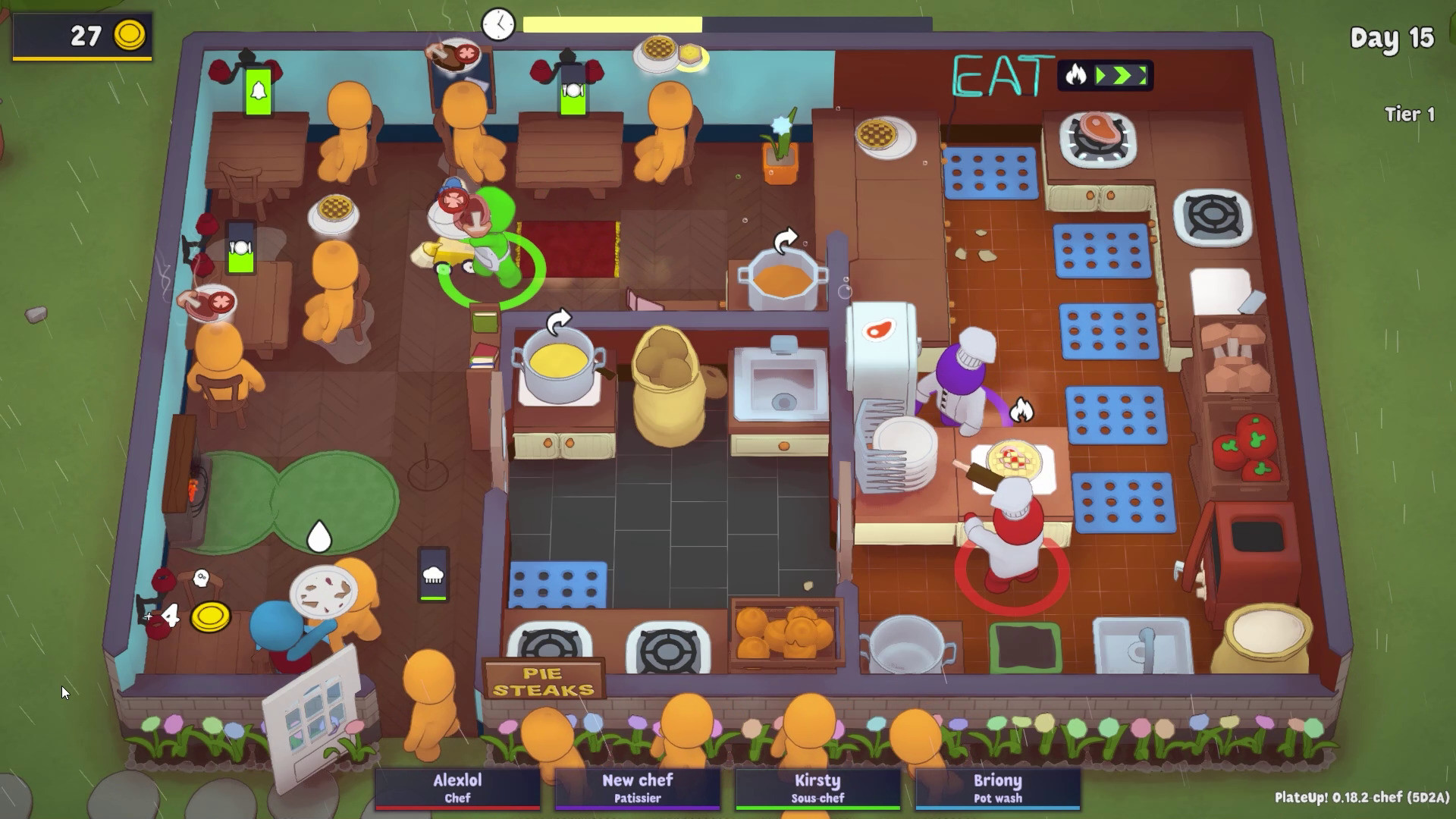
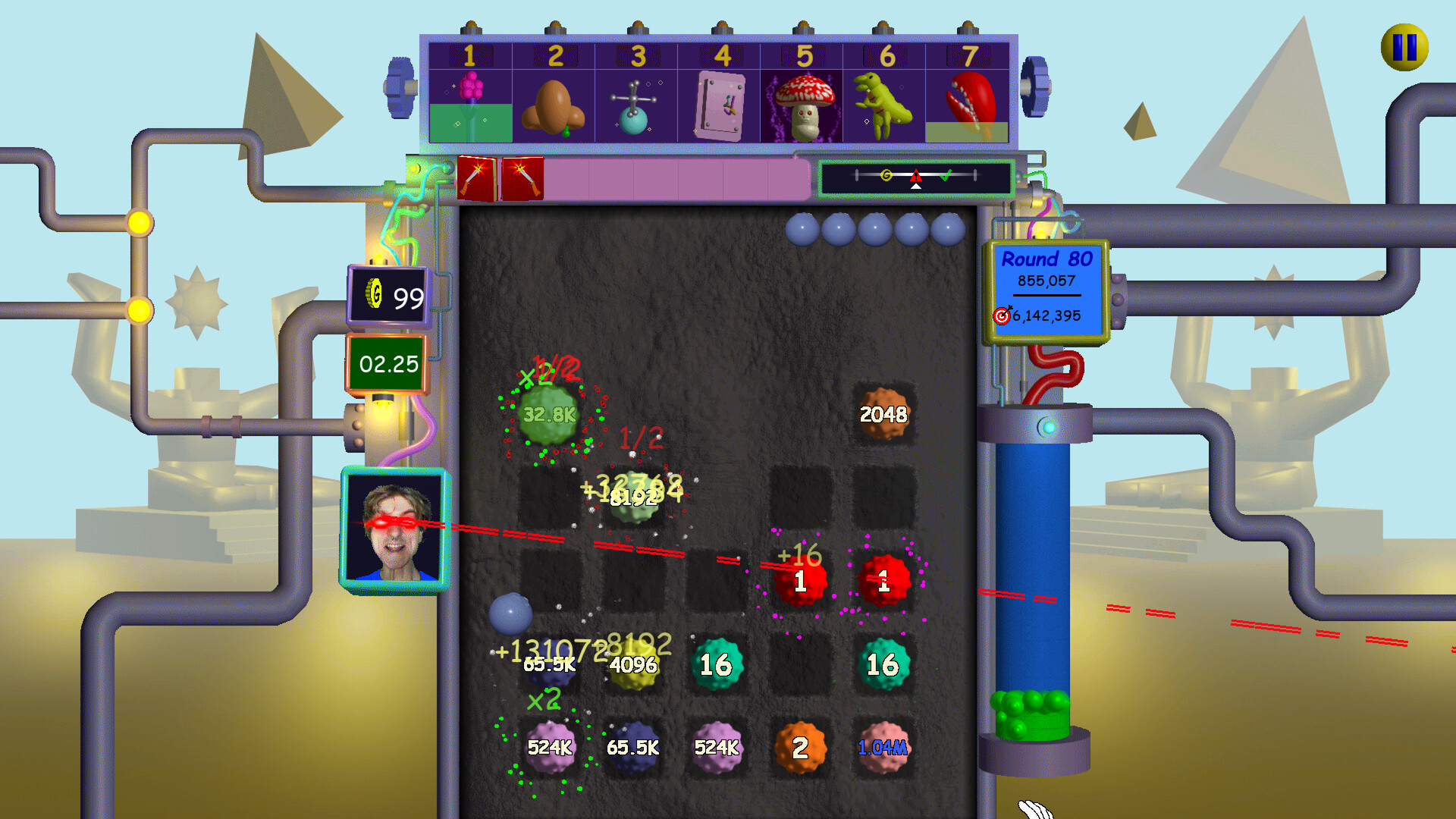
There are too many roguelike and roguelite games today. Almost every possible mechanic has been turned into a roguelike. Some work, but many feel like they adopted the structure without a strong reason. Forestrike is one of the examples.
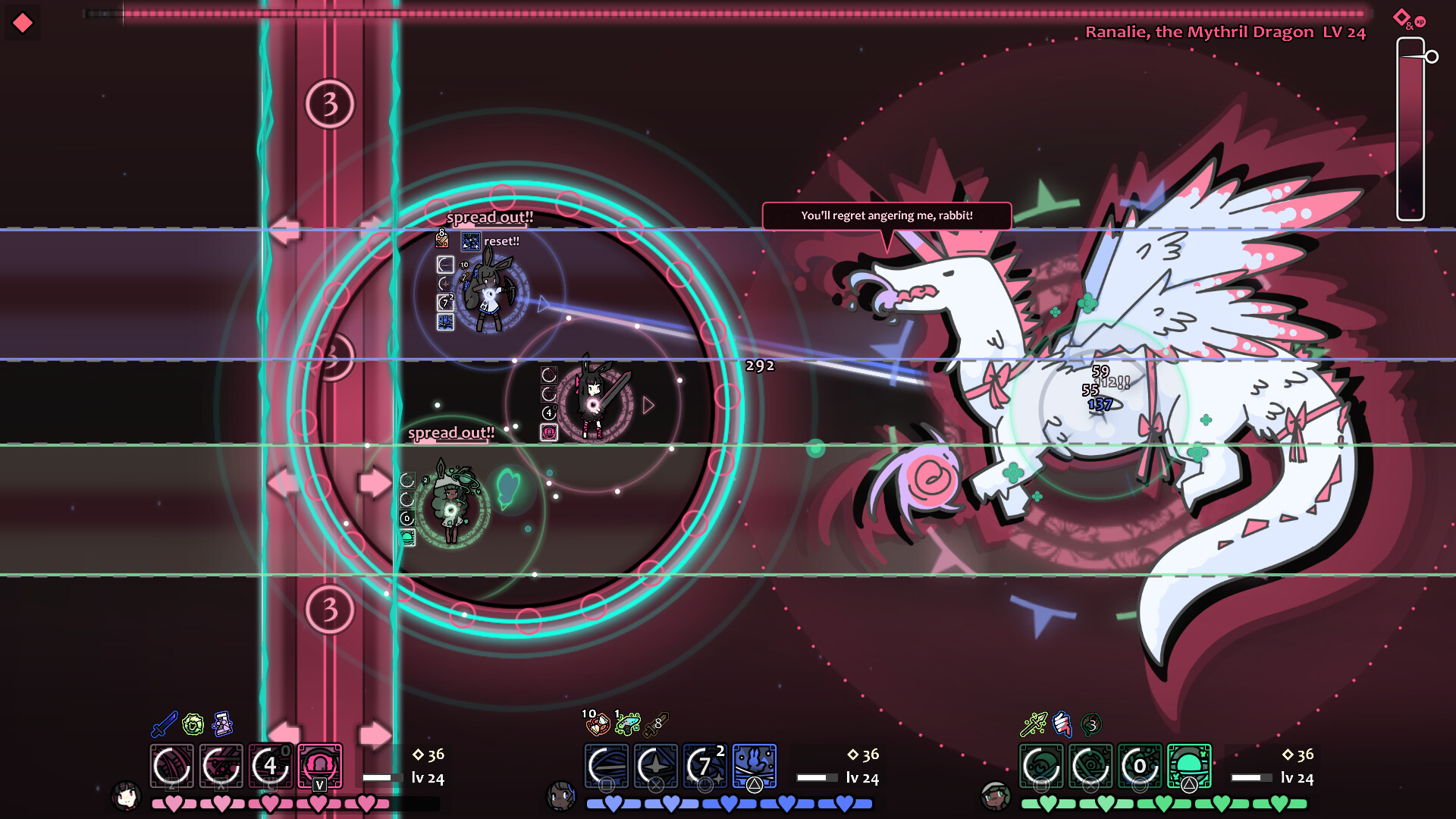
Rabbit & Steel is another. It’s a MMO raiding roguelike. You and your friends fight bosses, gain items, learn mechanics, and eventually win. However, the fun of MMO raiding comes from learning and mastering mechanics and boss patterns. Winning because someone has a broken build undermines that experience. To be fair, Rabbit & Steel is still reasonably well-balanced, so it’s not a bad experience. My feeling is, the roguelike elements feel somewhat unnecessary.
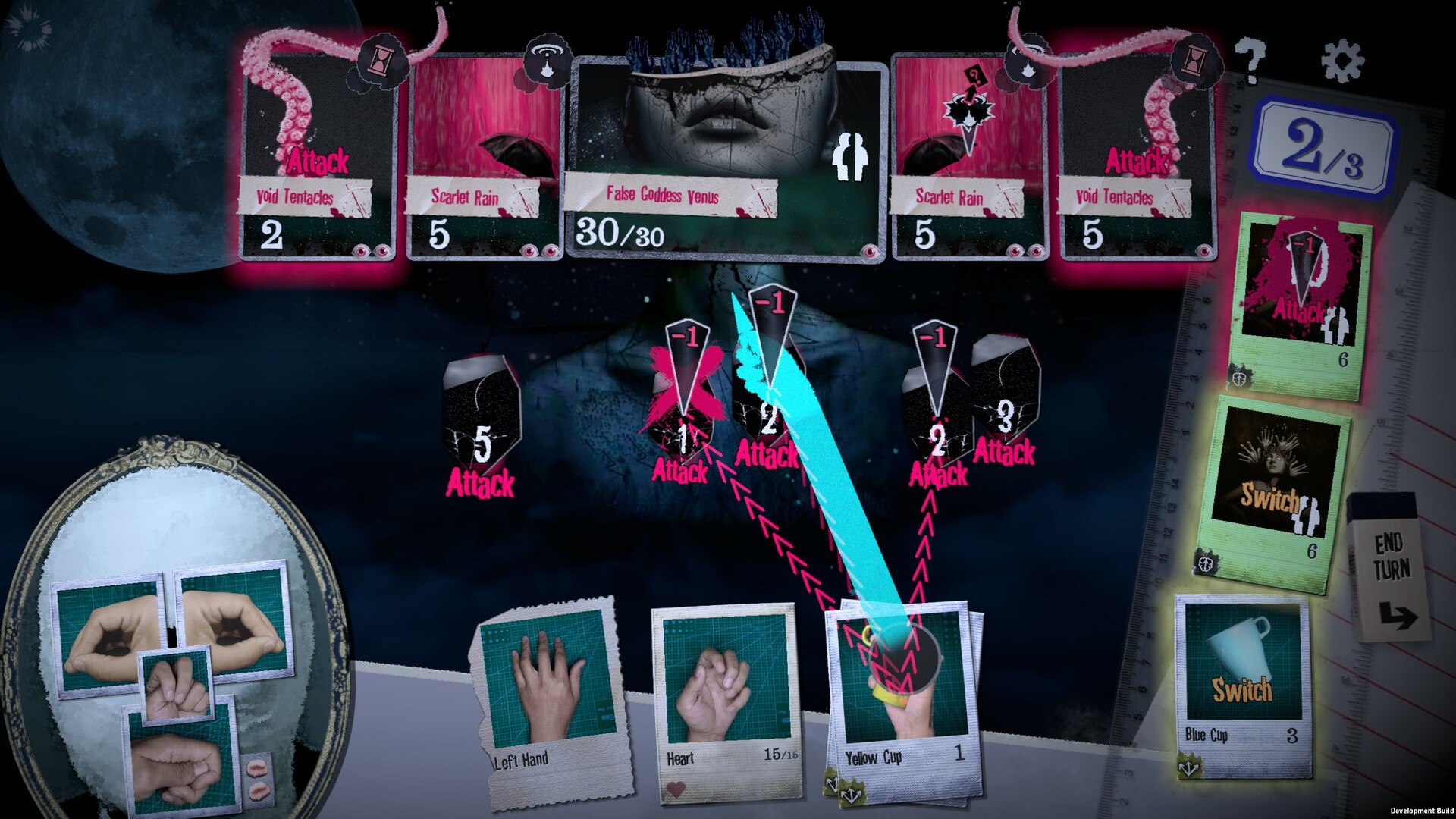
On the other hand, some games benefit from not forcing roguelike elements. Out of Hands works well as a structured card game with a complete story. Players collect cards across fixed levels, and with different bosses and card options, they can constantly adjust their decks while staying engaged in the narrative. Even though it later added a roguelike mode, it’s not nearly as enjoyable and I’m glad it’s not the main focus.
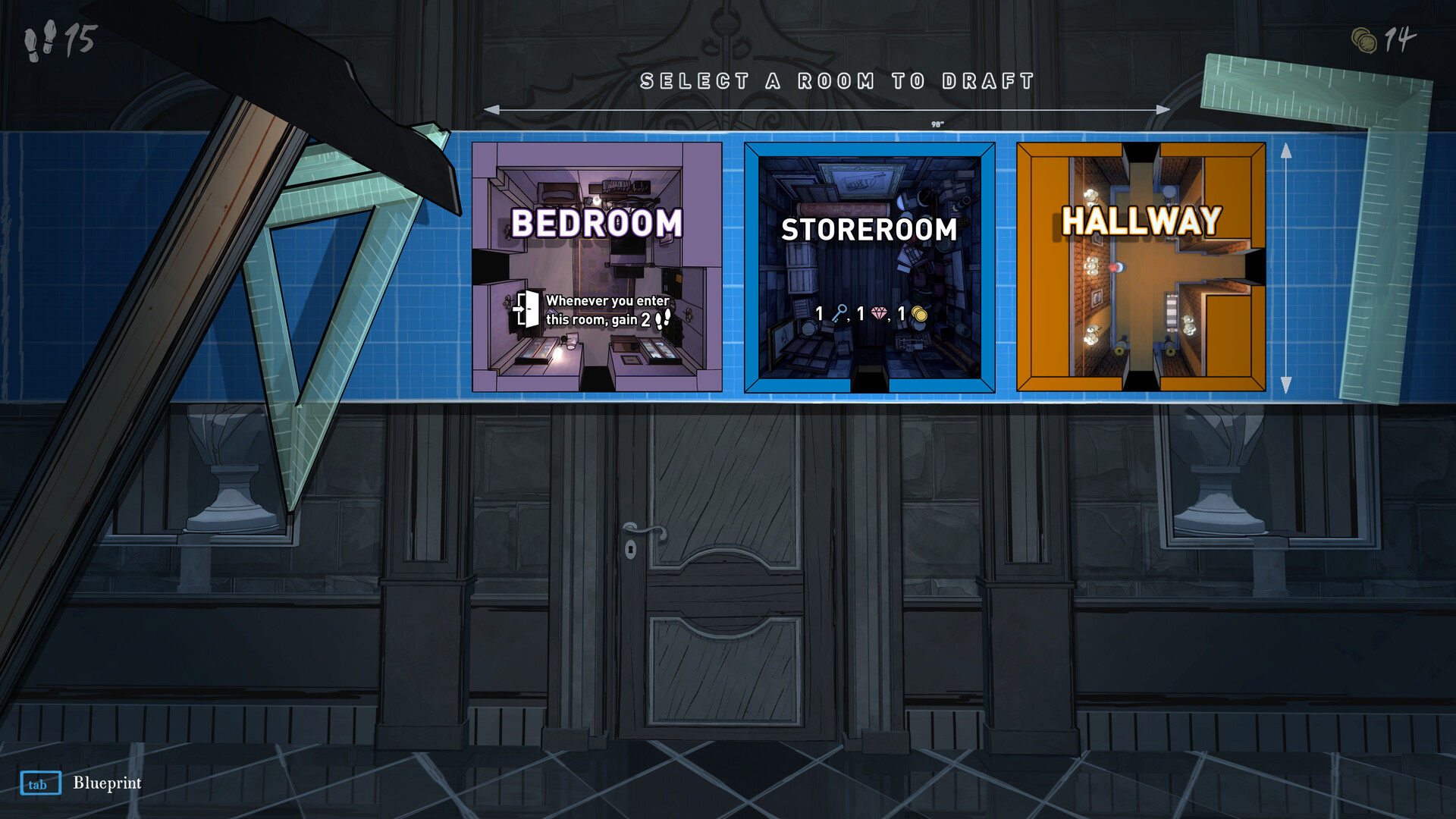
That said, I’m not against roguelikes. When the structure truly supports the design, it can work extremely well. Blue Prince is a great example of combining roguelike structure with a puzzle game. The mansion changes daily, and players gradually uncover rules and mechanics while exploring. It justifies its format through both gameplay and narrative, and clearly went through extensive playtesting.
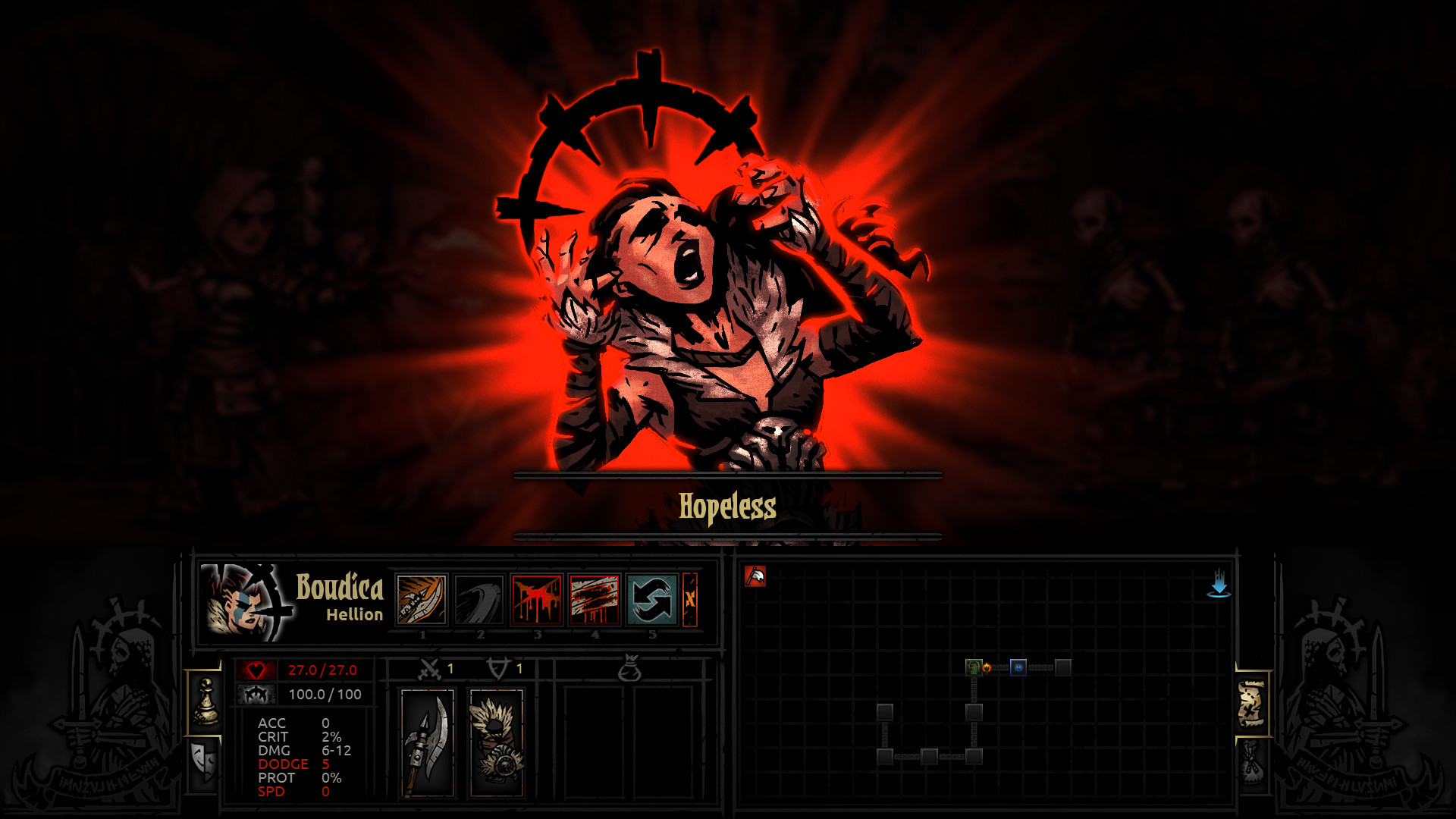
If you have an innovative idea that might work as a roguelike, it’s always worth trying. Not only to see if it works, but also to avoid committing to a design that fundamentally doesn’t. Still, remember that the core is the most important part of the game. If the core is not fun, it still won't be fun after you adding tons of skllls, levels and enemies.
Final Thought
Let’s say you have the time and money, and you want to make a roguelike. Before making that decision, ask yourself:
Is it because I want to make a roguelike, or the game needs to be a roguelike?
Comments